

The Celebrity Stamp of Approval
In a recent interview, actor Alia Bhatt mentioned a go-to 'skin snack' she loves: a simple ball made of ghee, jaggery, crushed peanuts, and a bit of coconut. Dubbed the 'skin glow laddoo', the recipe quickly went viral, with food bloggers and fans recreating
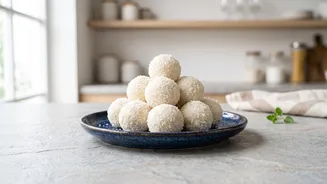
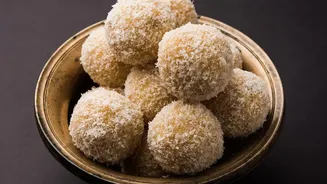
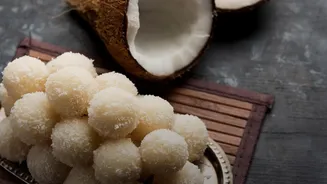
the easy, no-cook treat. While Alia is a known foodie who often speaks about her love for simple, homemade Indian meals, this specific shout-out touched a chord. It wasn’t a fancy, inaccessible dish, but a variation of a sweet that holds a place in countless Indian households: the nariyal laddoo, or coconut laddoo.
The Enduring Magic of Simplicity
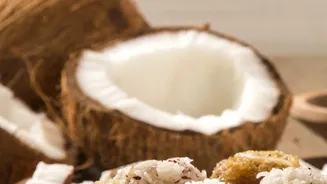
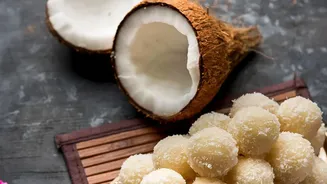
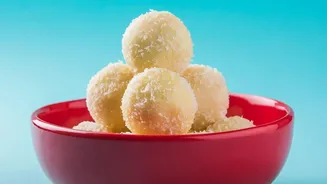
A key reason for the coconut laddoo’s enduring popularity is its sheer simplicity. In its most basic instant form, it requires just two or three ingredients: desiccated coconut and condensed milk, often with a hint of cardamom. There's no complex technique, no long cooking hours, and no need for sugar syrups. Even the more traditional versions, which use fresh grated coconut, milk, and sugar or jaggery, come together in under 30 minutes. This accessibility makes it the perfect sweet for beginners in the kitchen and a reliable, quick fix for festive occasions when time is short. It’s a dessert that promises maximum flavour for minimal effort.
A Bite of Pure Nostalgia
For many, the taste of coconut laddoo is synonymous with childhood and home. It's the sweet often made by mothers and grandmothers, a staple treat for festivals or simply to satisfy a mid-day craving. The history of the laddoo itself is ancient, with early versions used in Ayurvedic medicine. Coconut laddoos specifically have a legacy dating back to the Chola Empire, where they were packed for warriors and travellers as a source of energy and good luck. This deep cultural root means that every bite carries a sense of tradition and comfort, connecting generations through a shared, simple pleasure.
The Ultimate Festive Sweet
No Indian festival feels complete without a platter of sweets, and coconut laddoos are a mainstay. From Diwali and Holi to Ganesh Chaturthi and Janmashtami, these sweet spheres are a common offering, or 'prasad'. Their purity, derived from the sacred status of the coconut in Hindu rituals, makes them a fitting offering to deities. The ease of preparation allows families to whip up large batches to share with friends and neighbours, embodying the spirit of community and celebration. The round shape itself is symbolic, representing wholeness and good fortune, making it the perfect sweet to mark any joyous occasion.
Modern Twists on a Classic
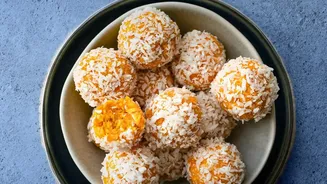
While the classic recipe remains beloved, the coconut laddoo is also wonderfully adaptable. Alia Bhatt’s version, with peanuts and jaggery, is a perfect example of a modern, health-conscious twist. Today, you can find countless variations: some are stuffed with gulkand (rose petal jam), others are infused with different flavours like rose or vanilla, and many substitute sugar with jaggery or dates for a more natural sweetness. This flexibility allows the traditional sweet to evolve with contemporary tastes and dietary preferences, ensuring that the coconut laddoo remains a favourite for generations to come, whether as a quick 'skin snack' or a decadent festive indulgence.