


More Than Skin Deep: The Royal Philosophy
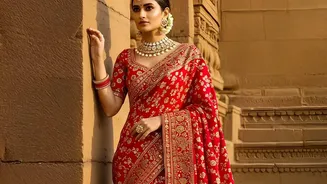
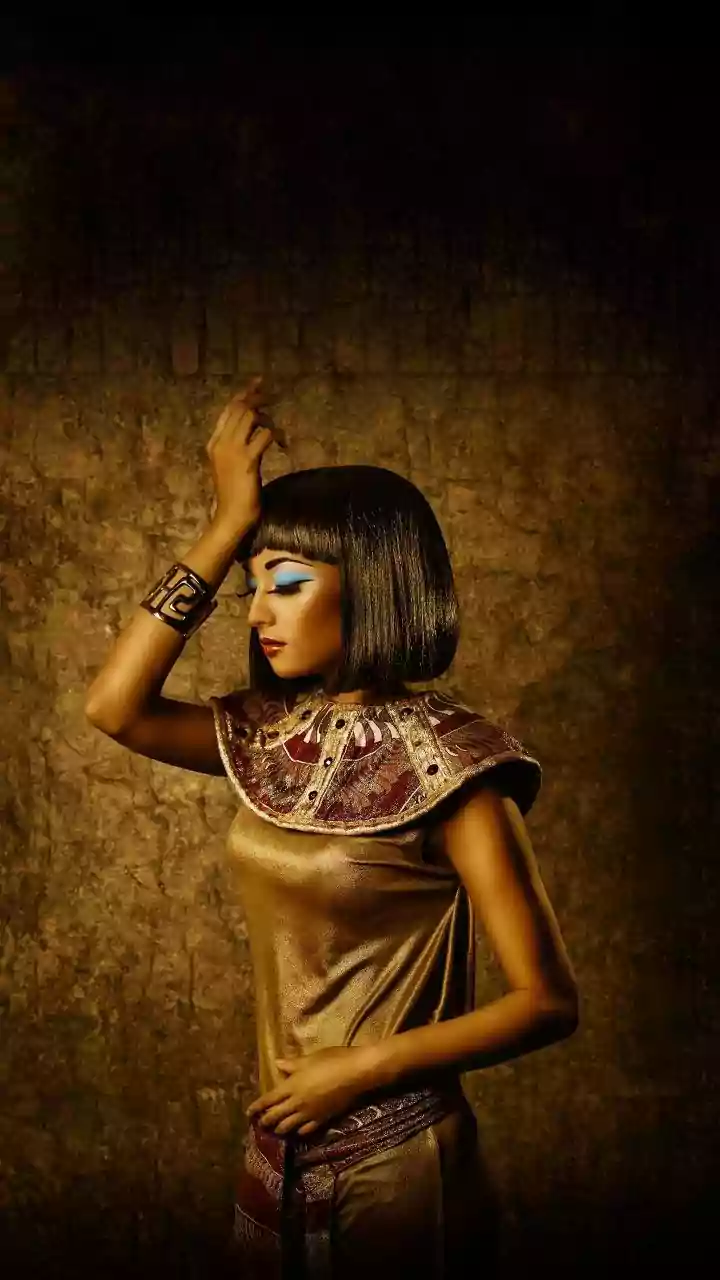
In the royal courts of India, beauty was never just about aesthetics; it was a reflection of inner health, balance, and harmony. The regal skincare philosophy was rooted in the Ayurvedic principles of 'varnya' (enhancing complexion) and 'rasayana' (rejuvenation).
For queens and princesses, from the Rajputana deserts to the lush coasts of Kerala, these rituals were a form of self-care designed to cool the body, protect skin from harsh climates, and achieve a natural luminescence that signified vitality and purity. The goal wasn't to change the skin, but to help it look rested, nourished, and vibrant from within, a concept that modern wellness is only now beginning to embrace again.
The Royal Apothecary: Prized Ingredients
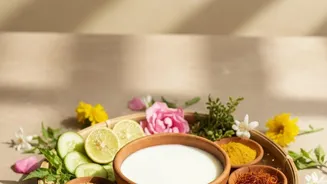
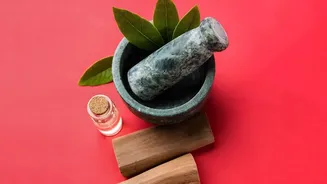
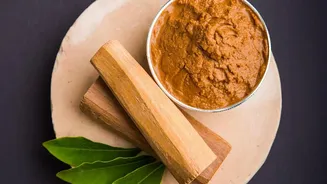
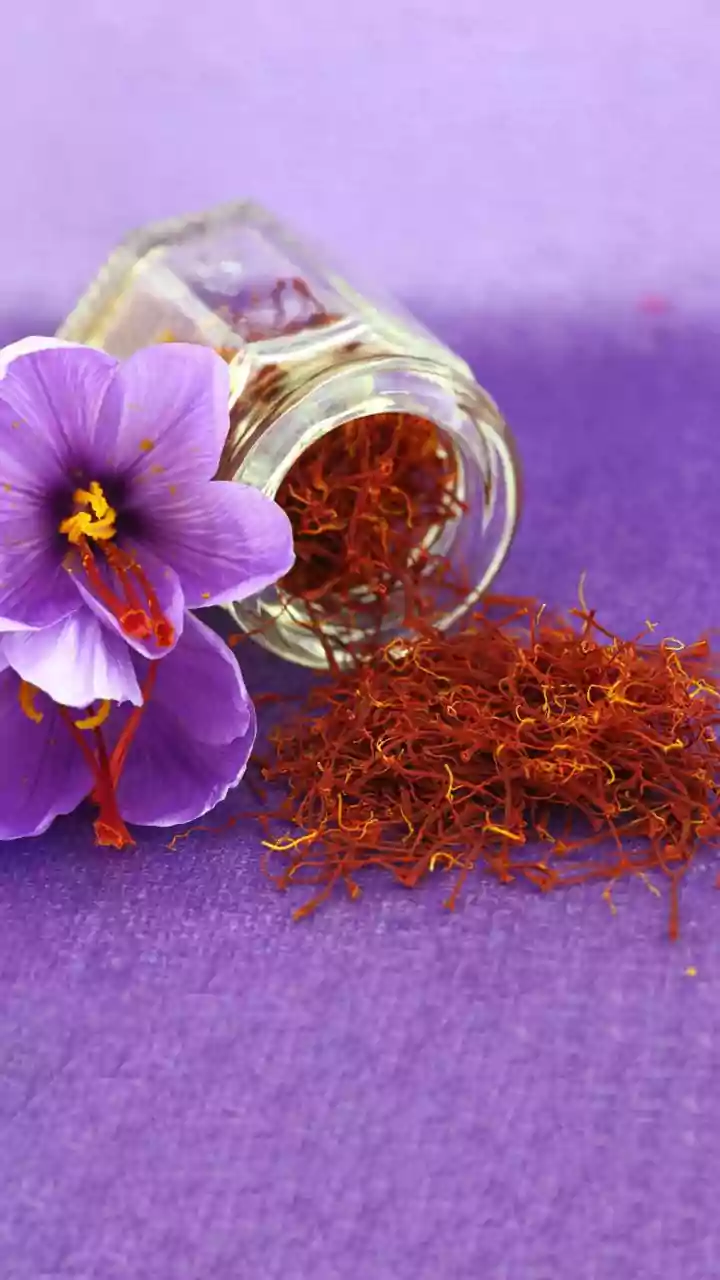
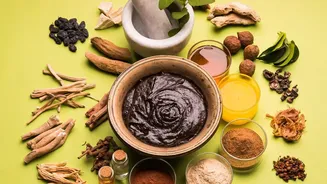
The ingredients used in regal skincare were sourced directly from nature, each chosen for its specific therapeutic properties. Saffron, or 'Kesar', was the undisputed star, often called 'red gold'. Valued for its ability to brighten skin and reduce pigmentation, it was frequently soaked in milk for luxurious baths and face packs. Sandalwood, or 'Chandan', was another royal favourite, prized for its cooling properties that soothe inflammation and calm irritated skin, a necessity in India's warmer climates. Rose water, popularized by Mughal queens like Nur Jahan, served as a natural toner and hydrator. Other key ingredients included turmeric for its purifying benefits, nourishing almond oil, and Fuller's Earth (Multani Mitti) for deep cleansing.
Signature Ritual: The Art of the Ubtan
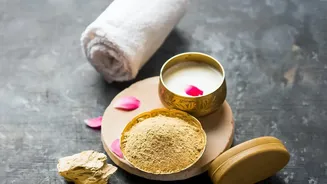
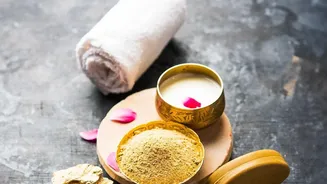
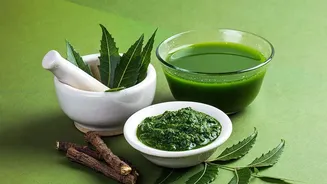
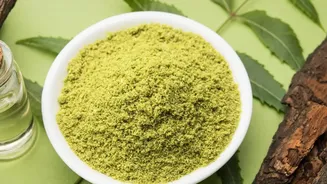
At the heart of royal beauty was the 'ubtan', a traditional cleansing paste that predates modern exfoliators and face masks. This potent blend typically consisted of a base of gram flour (besan) mixed with turmeric, sandalwood powder, and a liquid like milk or rose water to form a paste. This ritual was central to both daily skincare and special pre-wedding ceremonies, designed to gently exfoliate dead skin cells, remove tan, and impart a radiant glow. Depending on the region and specific need, royal ubtans were customized with other herbs like neem for purification or saffron for added brightness.
A Head of Hair Fit for a Crown
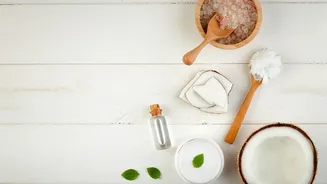
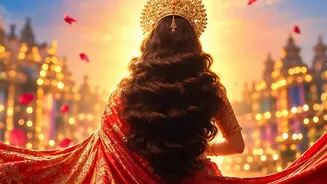
Royal haircare was as meticulous as skincare. The practice of 'champi' or head massage with infused oils was a sacred tradition. Cold-pressed oils like coconut, sesame, and almond were staples, often infused with potent herbs like Amla (Indian gooseberry) to strengthen follicles, hibiscus to promote shine, and Brahmi to nourish the scalp. Mughal queens were particularly known for using fragrant oils like jasmine and rose to perfume their hair. These regular oiling rituals boosted blood circulation, prevented dryness, and ensured that the hair remained thick, dark, and healthy.
The Enduring Legacy in Modern Times
While the era of royal courts may be in the past, their beauty wisdom continues to thrive. These ancient traditions, from the use of saffron and sandalwood to the ritual of the ubtan, are alive in countless Indian households and have inspired a new generation of Ayurvedic and 'clean beauty' brands. The philosophy of using natural, potent ingredients to achieve a holistic glow is more relevant than ever. By understanding the principles behind these regal practices, we can incorporate a piece of this timeless, sustainable, and luxurious heritage into our own modern self-care routines.