







What Exactly Is Micro-Fulfilment?
At its core, micro-fulfilment is a strategy that uses small-scale, local storage facilities to get products closer to customers. [2] Instead of relying on a massive, centralised warehouse on the outskirts of a city, retailers set up a network of these
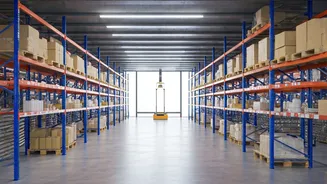
'micro-fulfilment centres' (MFCs) right inside dense urban areas. [7] These can be standalone mini-warehouses, the back room of an existing store, or dedicated facilities known as 'dark stores', which look like supermarkets but are only for staff fulfilling online orders. [2, 14] The goal is simple: dramatically shrink the distance an order has to travel, a concept known as last-mile delivery. [3] This shift from large, remote facilities to a distributed network of local hubs is the key to unlocking ultra-fast delivery. [6]
The Engine Behind India's Quick Commerce Boom
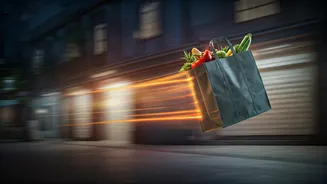
The demand for instant gratification is reshaping retail, and nowhere is this more evident than in India's booming 'quick commerce' market. [18] Platforms like Blinkit, Zepto, Swiggy Instamart, and BigBasket have changed consumer expectations, making 10-minute delivery the new battleground. [14] This entire model hinges on micro-fulfilment. [14] In June 2026, major players like Flipkart and Amazon announced massive expansions of their MFC networks. [12, 15] Flipkart's 'Minutes' service crossed 1,000 MFCs across 130 cities, while Amazon is scaling 'Amazon Now' to over 300 cities. [11, 15] This growth isn't just in metros; Tier 2 and Tier 3 cities are seeing explosive adoption, with Flipkart reporting a 42X increase in scale in these markets over the last year. [11, 12] This rapid expansion signals how deeply micro-fulfilment is being embedded into India's commercial infrastructure. [11]
Why It's a 'Power Move' for Retailers
Calling micro-fulfilment a 'power move' isn't an exaggeration. For retailers, it offers a crucial competitive advantage. [3] The most obvious benefit is speed. By being closer to the customer, companies can offer same-day or even sub-one-hour delivery, which significantly boosts customer satisfaction and loyalty. [8] This speed also leads to cost efficiencies. Last-mile delivery is notoriously the most expensive part of logistics, accounting for a huge chunk of supply chain costs. [4] MFCs slash these costs by reducing fuel and transportation needs. [8] Furthermore, many MFCs are highly automated, using robotics to pick and pack orders with an efficiency that far surpasses manual methods, reducing labour costs and errors. [4, 9] This allows smaller retailers to compete with e-commerce giants by offering comparable delivery speeds without needing a vast, traditional warehouse network. [6, 7]
The Challenges on the Ground
Despite the benefits, implementing a micro-fulfilment strategy is not without its hurdles. The first is cost and space. Setting up numerous small warehouses in dense, expensive urban areas requires significant initial investment. [4, 13] Second is inventory complexity. These small centres can't hold a vast range of products, so companies must be very strategic about stocking only high-demand items relevant to the local area. [2, 16] This creates a constant risk of stockouts if demand suddenly surges. [2, 17] Managing inventory across dozens or hundreds of locations is also a major logistical challenge, requiring sophisticated software to prevent mismatches and ensure products are in the right place at the right time. [17] Finally, the model is dependent on a high volume of orders to remain profitable. [18]