

The Science of Cooking and Nutrients
Vegetables are packed with essential nutrients, including antioxidants like vitamin C and various polyphenols, which protect our bodies from cellular damage. However, many of these beneficial compounds are sensitive to heat, water, and time. The way we cook
our food can either preserve these delicate nutrients or significantly reduce them. Vitamin C, for instance, is both water-soluble and heat-sensitive, making it particularly vulnerable during cooking. Studies have shown that cooking methods involving high temperatures or submersion in water can lead to substantial nutrient loss. Steaming and stir-frying are two popular and quick methods, but they interact with vegetables in fundamentally different ways, leading to different nutritional outcomes.
Why Steaming Is a Champion for Antioxidants
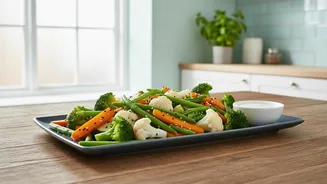
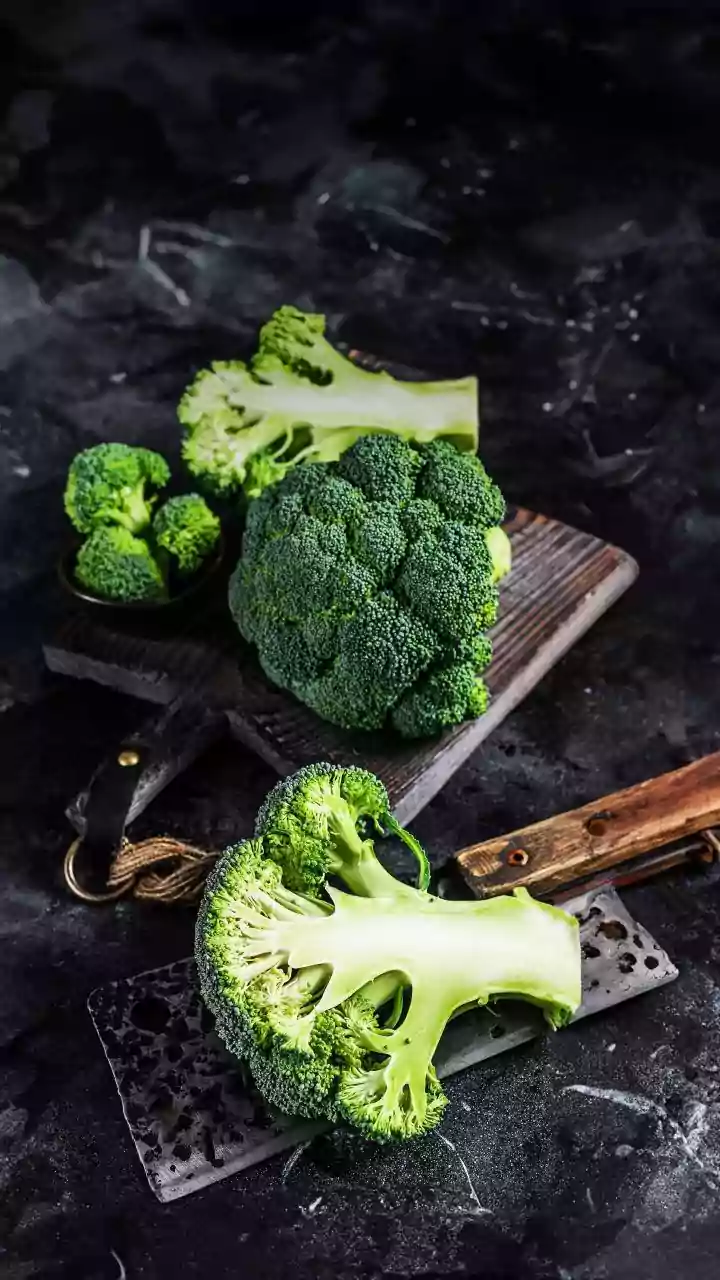
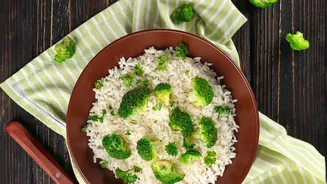
Steaming is a gentle cooking method that uses moist heat from simmering water to cook food held in a separate basket. Because the vegetables don't come into direct contact with the cooking water, the loss of water-soluble vitamins like vitamin C and B vitamins is minimized. Research has consistently shown that steaming is one of the best methods for nutrient retention. For example, one study on broccoli found that steaming was the only cooking method out of five tested—including stir-frying and boiling—that preserved its levels of vitamin C and important compounds called glucosinolates, which have shown anti-cancer properties. In fact, steaming actually increased the total glucosinolate content compared to raw broccoli. This gentle approach helps maintain not only the nutritional integrity but also the colour, shape, and texture of the vegetables.
The Impact of a Sizzling Stir-Fry
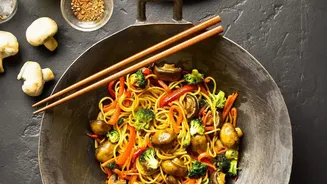
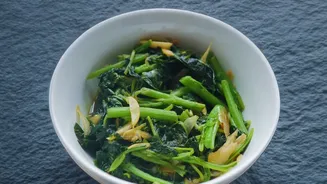
Stir-frying involves cooking food quickly in a small amount of oil over high heat. While its speed can be an advantage, the high temperature can be detrimental to certain antioxidants. Studies have indicated that stir-frying can cause significant losses of vitamin C and other heat-sensitive compounds. One analysis showed that stir-frying broccoli led to a considerable loss of vitamin C and its highest loss of glucosinolates compared to other methods. However, the story isn't entirely one-sided. The oil used in stir-frying can actually increase the body's absorption of fat-soluble vitamins (A, E, and K) and certain antioxidants like carotenoids. So, while you might lose some vitamin C, you could gain more of other beneficial compounds, depending on the vegetable.
Which Vegetables Benefit Most From Steaming?
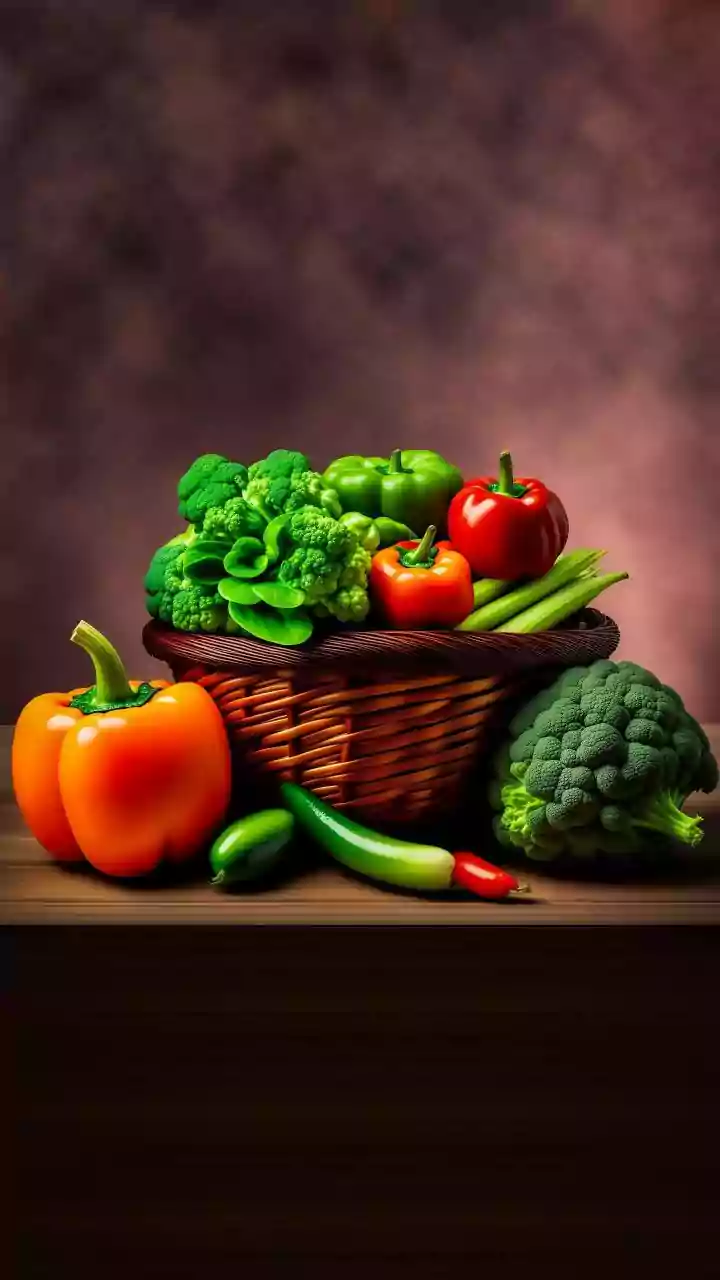
Delicate, water-soluble nutrients are most at risk, so vegetables rich in them are prime candidates for steaming. Broccoli is a well-studied example, showing superior retention of vitamin C and sulforaphane when steamed. Other great choices include leafy greens like spinach, which loses significant folate when boiled but retains it well when steamed. Bell peppers, cauliflower, asparagus, and carrots also benefit from the gentle heat of steaming, which helps preserve their vitamin C content and vibrant colour. As a general rule, if a vegetable is known for its high vitamin C content, steaming is likely the best way to keep it that way.
Smarter Cooking for Maximum Health
For optimal nutrition, you don't have to abandon stir-frying entirely. A varied approach is often best. To make your stir-fries healthier, use a minimal amount of a stable, healthy oil, keep the cooking time short, and avoid excessively high heat. Adding a small amount of water or broth towards the end can create steam, combining the benefits of both methods. For steaming, ensure the water is simmering, not rapidly boiling, and cook vegetables only until they are tender-crisp to prevent them from becoming mushy and losing nutrients. Don't overcrowd the steamer basket, as this allows the steam to circulate evenly for faster, more consistent cooking. By using a combination of cooking techniques, you can enjoy a wide range of flavours and textures while maximizing your nutrient intake.