





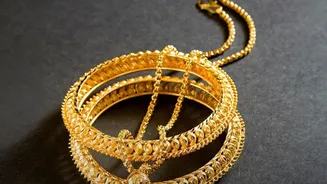

A Tradition Meets a Record High
For generations, gold has been more than just an investment in India; it’s a cultural cornerstone, central to weddings, festivals, and financial security. But with prices for 24-carat gold hitting roughly ₹15,928 per gram as of August 21, 2026, the age-old
tradition is facing a modern affordability crisis. This surge is driven by a mix of global factors, including geopolitical instability and currency fluctuations, which have led investors worldwide to seek refuge in safe-haven assets. For young professionals and first-time buyers, these prices turn what was once an accessible purchase into a significant financial hurdle, forcing a re-evaluation of how, when, and even why they buy gold.
Smaller Tickets, Smarter Choices
Instead of abandoning gold, young buyers are adapting their habits. The era of heavy, occasional purchases is giving way to smaller, more frequent buys. A recent survey revealed that nearly 62% of recent gold purchases by young consumers were for items under five grams. This trend towards 'micro-investing' reflects a pragmatic shift in mindset. Buyers are also getting savvier about purity. To manage costs, many are opting for jewellery with lower carat values. Lightweight collections and designs in 18-carat or even 9-carat gold are gaining popularity. Jewellers report that 9-carat pieces, which contain 37.5% gold and are significantly more affordable, are a popular choice for first-time buyers and college students who want the feel of real gold without the hefty price tag.
The Digital Gold Revolution
Perhaps the most significant change is the pivot from physical to digital. For a tech-native generation, the idea of buying gold on an app with as little as ₹1 is revolutionary. Digital gold platforms, along with Gold Exchange-Traded Funds (ETFs) and Sovereign Gold Bonds (SGBs), are booming. These instruments remove the traditional barriers to entry: there are no making charges, storage concerns, or questions about purity. Data from 2025 showed a massive spike in UPI-based gold purchases, indicating that young Indians are treating gold less like a piece of jewellery stored in a locker and more like a liquid asset in a digital portfolio. This shift is not just about convenience; it’s a fundamental change in perception, where gold is viewed as an accessible investment vehicle rather than just a traditional ornament.
From Occasion to Investment
The reasons for buying gold are also evolving. While weddings and festivals remain important, they are no longer the only triggers. A 2026 survey found that for many young Indians, the first gold purchase is now linked to personal financial milestones, like receiving their first salary. About 67% of young buyers see the decision to purchase gold as a personal one, rather than one dictated by family tradition. This individualistic and investment-oriented approach is reshaping the market. Jewellery demand has softened in volume terms, but investment demand through ETFs, bars, and coins is surging. The industry is responding, with jewellers focusing on lightweight designs and financial platforms making it easier than ever to invest in 'paper gold'.