




The Silent Epidemic of Hidden Hunger
When we think of hunger, we often picture a lack of food. But a more insidious problem affects millions across India: 'hidden hunger', or micronutrient deficiency. This occurs when a person consumes enough calories to feel full, but their diet lacks the essential
vitamins and minerals needed for proper growth and development. Deficiencies in iron, folate, zinc, and various vitamins are widespread. In India, this crisis is staggering, with over 80% of the population estimated to suffer from one or more micronutrient deficiencies. This impacts everything from a child's cognitive development and a pregnant woman's health to an adult's productivity, costing the nation a significant portion of its GDP in lost potential and healthcare burdens.
Beyond Wheat and Rice
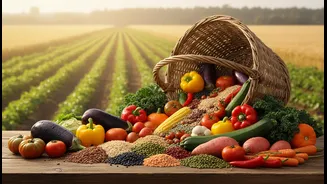
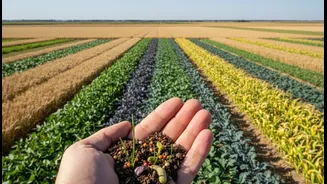
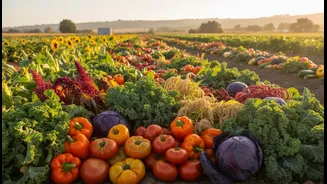
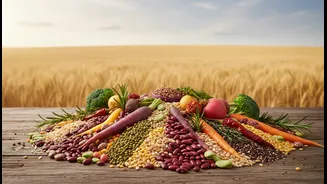
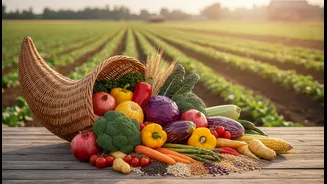
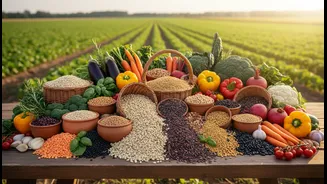
The Green Revolution was a monumental success in ensuring India had enough food, primarily by focusing on high-yield varieties of staple crops like wheat and rice. However, this success came with an unintended consequence: a narrowing of our agricultural base. Over-reliance on a few staple crops has led to what's known as dietary monoculture. While these staples provide calories, they cannot supply the full spectrum of nutrients humans need. Crop diversity, or agrobiodiversity, is the answer to this challenge. It refers to the variety of plants used in agriculture, from different types of grains and pulses to a wide array of fruits, vegetables, and leafy greens. It’s about rediscovering and cultivating the vast range of edible plants that have long been part of India’s traditional food systems.
Connecting Fields to Nutritional Health
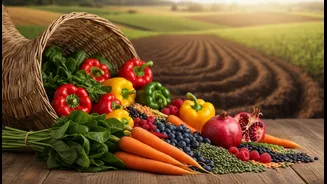
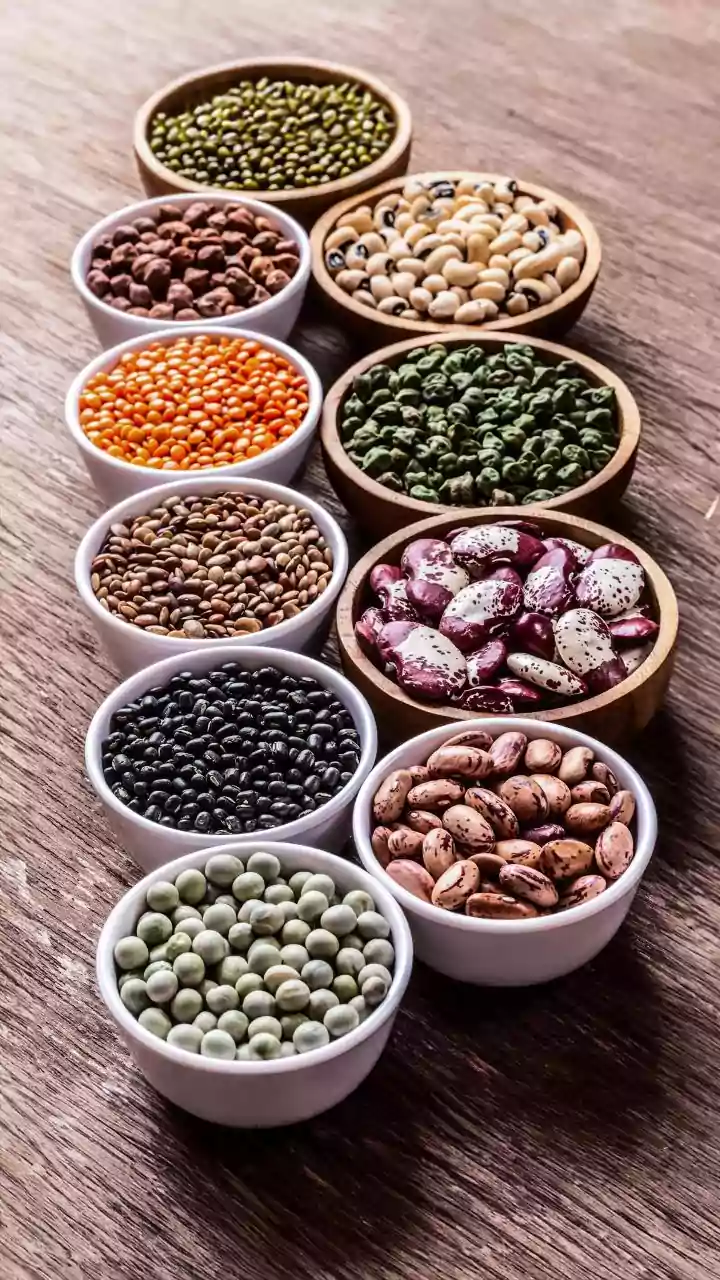
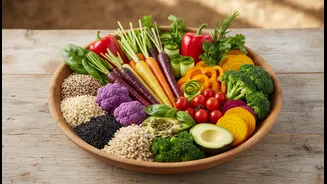
The link between what we grow and how we feel is direct and powerful. Studies consistently show that greater on-farm crop diversity is associated with more diverse diets at the household level. A diet rich in a variety of foods is the most effective way to combat hidden hunger. Different plants provide different nutrients. For instance, leafy green vegetables and certain pulses are excellent sources of folate and iron, crucial for preventing anaemia. Millets, often called 'nutri-cereals', are packed with protein, fibre, and minerals. Fruits and vegetables offer a wide range of vitamins essential for immune function and overall health. When farmers cultivate a wider range of crops, they not only improve their own family's nutrition but also increase the availability of diverse, nutrient-rich foods in local markets, benefiting the entire community.
India's Agricultural Crossroads
India is blessed with incredible agro-biodiversity, yet much of it remains underutilised. For decades, agricultural policies have incentivised the production of a few staple crops, making them more profitable and accessible than traditional, nutrient-dense alternatives. However, the tide is beginning to turn. There is growing recognition within the government and scientific community that diversifying agriculture is essential for both nutritional security and climate resilience. Diverse agricultural systems are more robust, better able to withstand pests, diseases, and the impacts of climate change like drought or flooding. Reviving the cultivation of millets, pulses, and indigenous vegetables is not a step backward, but a strategic move towards a more sustainable and healthy future.
Sowing the Seeds of Change
Tackling hidden hunger requires a multi-pronged approach, and enhancing crop diversity is a cornerstone of this strategy. This involves several key actions. Policymakers can create incentives for farmers to grow a wider variety of crops, particularly those with high nutritional value. Scientists and agricultural extension services can play a role by promoting biofortified crops—staples bred to have higher levels of nutrients like iron and zinc—and by providing farmers with the knowledge to cultivate diverse species sustainably. As consumers, we also have power. By choosing to include a wider variety of foods in our diets, such as millets, local greens, and seasonal fruits, we create demand that encourages farmers to diversify their fields. It is a cycle where better farming choices lead to better dietary choices, and vice versa.