


Why A Monsoon Safari?
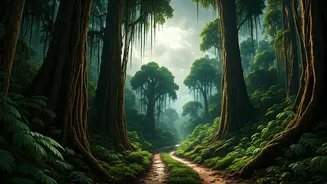
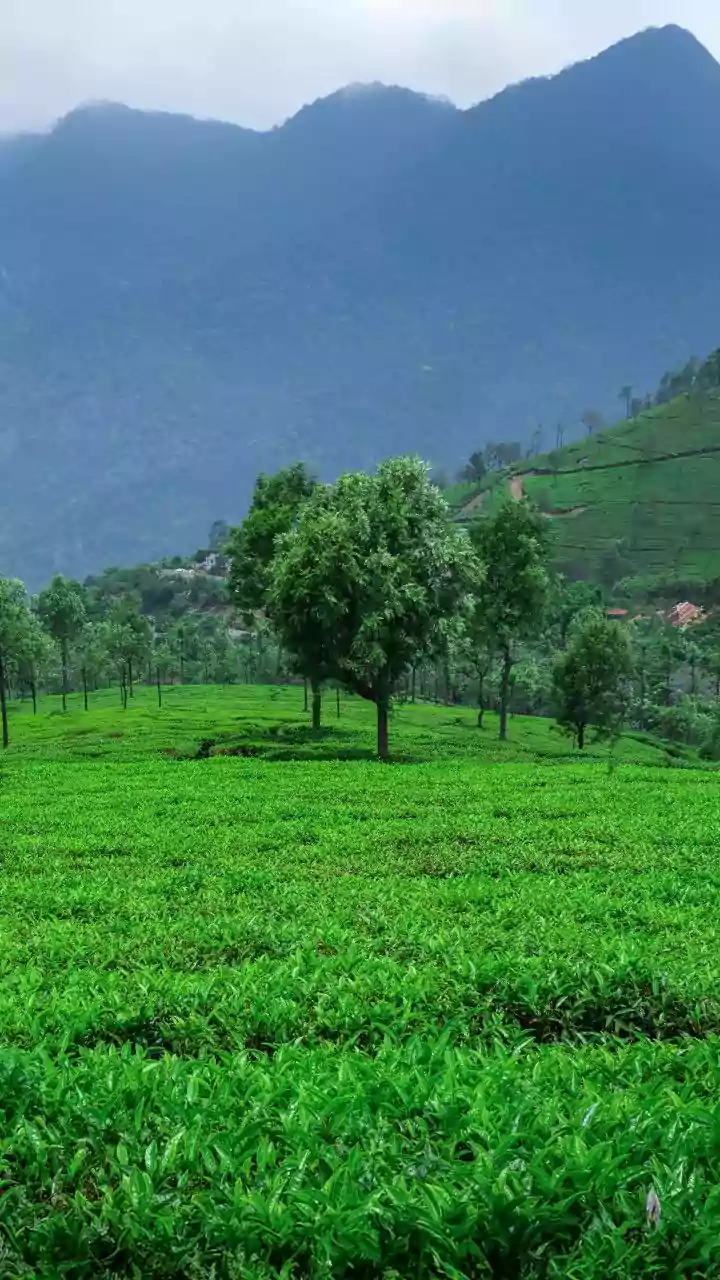
The common wisdom is to avoid jungles during the rains. Many national parks close their core zones from June to October. But this isn't the full picture. The monsoon breathes new life into the forests. The landscape becomes a dazzling tapestry of a thousand
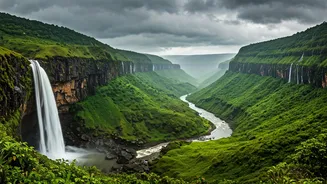
shades of green, washed clean by the downpours. The air is thick with the petrichor, the earthy scent of rain hitting dry soil. Waterfalls cascade down hillsides, and streams that were once dry beds now gurgle with life. For photographers and nature lovers, this is paradise. The light is soft and diffused, colours are saturated, and the dramatic, overcast skies provide a stunning backdrop. It’s also a time of rejuvenation and renewal, offering a completely different, more immersive sensory experience than a dry-season safari.
Periyar National Park, Kerala
While many parks shut down, Periyar in the Western Ghats remains open year-round, and it truly thrives in the monsoon. The park, built around a serene lake, offers a unique safari experience by boat. As you glide across the water, you can spot herds of elephants coming to the banks to drink, their dark shapes stark against the verdant hills. Sambar deer, gaur (Indian bison), and wild boar are common sights. The rain makes the forest incredibly lush, and the boat safari offers a peaceful, unobtrusive way to witness wildlife. Besides the boat safari, Periyar also offers guided nature walks and bamboo rafting programs that continue through the rains, allowing you to experience the forest floor teeming with insects, amphibians, and the vibrant calls of birds like the Malabar trogon and the great hornbill.
Kabini, Karnataka
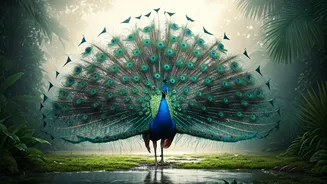
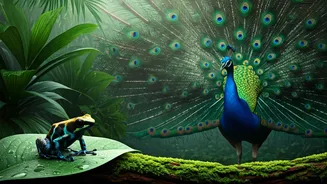
Part of the Nagarhole National Park, Kabini is another South Indian gem that shines during the monsoon. While some routes may be challenging, jeep safaris continue, taking you deep into a forest that feels ancient and mystical in the rain. The backwaters of the Kabini reservoir swell, attracting large elephant herds. This is also a fantastic time for spotting the elusive leopard. The wet conditions often drive them to rest on tree branches, making them easier to spot against the green foliage. The forest is alive with the calls of peacocks, their magnificent plumage a stark, brilliant contrast to the grey skies. The lower tourist footfall means you often have these magical sightings all to yourself, making for a truly personal and profound wildlife encounter.
Tadoba-Andhari Tiger Reserve, Maharashtra
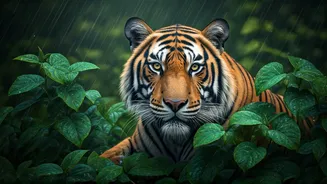
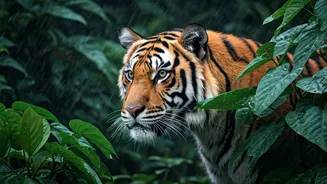
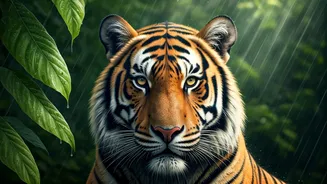
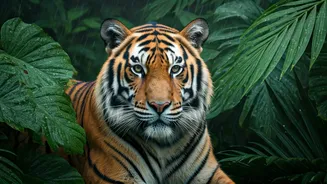
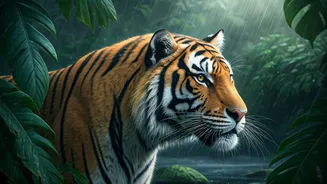
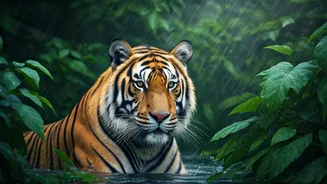
Known for its high tiger density, Tadoba is a prime destination for big cat enthusiasts. While the core areas of the park close during the monsoon, the buffer zones remain open for safaris. And these buffer zones are anything but secondary. Tigers, not bound by human-drawn lines, frequently roam these areas. The rain brings a welcome coolness, and you might see tigers lounging near water bodies or walking along the safari tracks. The forest floor becomes a carpet of green, and the prey base, including spotted deer and sambar, is abundant. A monsoon safari in Tadoba’s buffer zones offers a rugged, adventurous feel, navigating muddy tracks in search of the magnificent striped predator in its rain-drenched kingdom. It’s a raw, unfiltered experience for the serious wildlife lover.
Jim Corbett National Park, Uttarakhand
India's oldest national park, Jim Corbett, largely closes its popular zones like Dhikala during the monsoon. However, it keeps a few buffer zones and gates open, such as Jhirna and Sitabani. These zones offer a wonderful glimpse into the Himalayan foothills' monsoon ecosystem. The Sal forests turn a deep, luxurious green, and the Ramganga river swells with rain. While tiger sightings can be a matter of luck, this is a prime time for elephant herds, which often congregate in the open grasslands. The birdlife is spectacular, with resident species joined by monsoon breeders. The experience is less about chasing a single animal and more about soaking in the atmosphere of a wild, revitalised landscape at the foot of the mighty Himalayas.