






What Exactly is Water Weight?
First, let's be clear: water weight is not fat. It is a temporary increase in body weight caused by fluid getting trapped in your body's tissues. This fluid retention, known as oedema, can make you feel bloated and cause swelling, particularly in your hands,
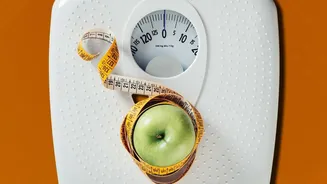
feet, and ankles. You might notice a sudden jump on the weighing scale, but this is simply your body holding onto extra water, and it's a normal and often short-lived phenomenon. These fluctuations are common and can be influenced by diet, hormones, and even long periods of sitting.
The Science of Salt and Water
The main culprit behind that post-meal puffiness is often sodium. Your body is a finely tuned machine that works hard to maintain a stable environment, a state called homeostasis. A crucial part of this is keeping the sodium-to-water ratio in your extracellular fluid (the fluid outside your cells) perfectly balanced. When you consume a lot of salt, your bloodstream absorbs the excess sodium. To prevent the sodium concentration from getting dangerously high, your body holds onto water to dilute it. Think of sodium as a magnet for water; where sodium goes, water follows. This is a protective mechanism to maintain the delicate balance necessary for your cells to function properly.
Your Kidneys: The Balancing Act
Your kidneys are the star players in managing this fluid and sodium balance. They act like a sophisticated filtration and control system. When your sodium levels rise, sensors in your body signal the kidneys to get to work. Their job is to excrete the excess sodium through urine. To do this, they also retain more fluid initially to help flush the sodium out. This process is also why you might feel extra thirsty after a salty meal; it's your brain's way of encouraging you to drink more water to help your kidneys do their job and restore equilibrium.
How Much Salt is Too Much?
While sodium is an essential nutrient needed for nerve and muscle function, modern diets often contain far more than we need. The World Health Organization and other health bodies recommend that adults limit sodium intake to less than 2,000–2,300 milligrams per day, which is roughly equivalent to one teaspoon of table salt. It's easy to exceed this limit, especially since most dietary sodium comes from processed, packaged, and restaurant foods rather than the salt shaker at home. Breads, sauces, canned goods, and savoury snacks can be significant hidden sources of sodium.
Finding Your Fluid Balance
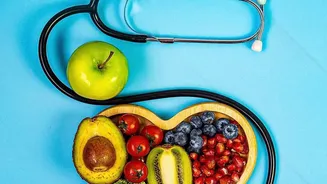
If you're feeling the effects of water retention, there are several simple ways to help your body find its balance. The most counterintuitive but effective tip is to drink more water. This helps your kidneys flush out the excess sodium more efficiently. Incorporating potassium-rich foods into your diet is also beneficial. Potassium helps to counteract sodium's effects and supports fluid balance. Foods like bananas, spinach, avocados, and sweet potatoes are excellent sources. Gentle physical activity, like walking, can also improve circulation and help reduce swelling, especially in your legs. Finally, being mindful of your intake of processed foods and reading nutrition labels can help you stay within the recommended sodium limits.