



Why Humid Air Changes Everything
Understanding why damp weather is a threat is the first step. Plants absorb water through their roots and release most of it as water vapour from their leaves in a process called transpiration. When the air is already saturated with moisture (high humidity),
this process slows down dramatically. At the same time, the soil in your pots also dries out much more slowly. This combination means that a plant's need for water from its roots decreases significantly. Continuing to water on your normal schedule during a humid spell is a fast track to waterlogged soil, which suffocates roots and leads to serious problems.
Know the Signs of an Overwatered Plant
An overwatered plant doesn't always look like it's drowning. The symptoms can be deceptive. The most common sign is leaves turning yellow and limp, especially the lower ones. Unlike underwatering, where leaves become dry and crispy, overwatered leaves are often soft and mushy. Other warning signs include wilting even when the soil is wet, a musty or rotten smell coming from the soil, the appearance of mould on the soil surface, or an annoying swarm of tiny fungus gnats, which thrive in constantly moist conditions. If the base of the stem feels soft, root rot may have already begun.
Ditch the Schedule, Trust Your Finger
The single most important adjustment you can make during damp weather is to abandon a rigid watering schedule. Never water your plants just because it's a certain day of the week. Instead, always check the soil first. The 'finger test' is the most reliable method: insert your finger about one to two inches into the soil. If it feels damp, wait. Do not water. If it feels dry at that depth, then it's time for a drink. For larger pots, a wooden chopstick or skewer can be used to check moisture deeper down; if it comes out clean and dry, it's time to water.
Water Smarter, Not Less
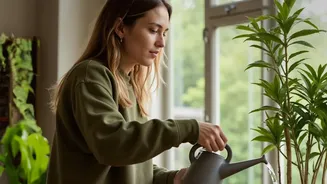
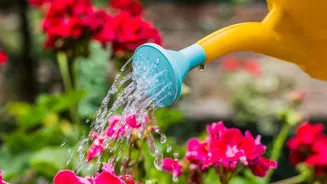
When you do determine it's time to water, do it thoroughly. It's better to water less frequently but more deeply. Pour water until it runs freely from the pot's drainage holes. This ensures the entire root ball gets hydrated and also helps flush out excess salts from the soil. The crucial next step is to empty any water that collects in the saucer beneath the pot. Leaving a plant to sit in a tray of water is one of the quickest ways to induce root rot, as the roots remain submerged and deprived of oxygen.
Improve Drainage and Airflow
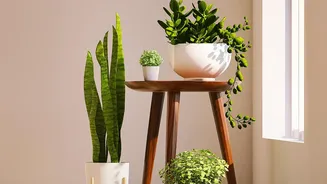
Good drainage and airflow are your best friends during the monsoon. Ensure all your pots have drainage holes—this is non-negotiable for healthy plants. If a pot is sitting directly on the floor, consider raising it on a simple stand or 'pot feet' to help water escape and allow air to circulate underneath. Using a well-draining potting mix, often containing perlite or orchid bark, also prevents soil from becoming compacted and waterlogged. Indoors, improving air circulation with a small fan can help reduce the risk of fungal infections that thrive in stagnant, humid conditions.