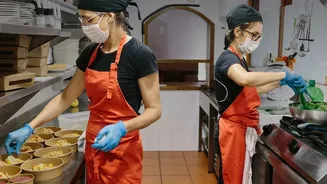



It’s a familiar scene for working couples: the workday is over, but the ‘what’s for dinner?’ debate is just beginning. What if you could reclaim your weeknights? A twice-weekly batch cooking system offers a realistic path to less stress and more time.
Why This Method Works
The idea of prepping a week's worth of meals on a Sunday can feel daunting. But a twice-weekly approach is more manageable and keeps food fresher. This system involves one larger cooking session on the weekend and a smaller, quicker one mid-week. The benefits go far beyond simply saving time. Couples who meal prep together often find they eat healthier by controlling ingredients like salt and sugar. It also drastically cuts down on the money spent on last-minute takeaways and restaurant orders. Perhaps most importantly, it eliminates daily decision fatigue, that low-level frustration of figuring out what to eat when you're already tired and hungry. By having a plan, you create a shared ritual that can even become a form of quality time together.
Your Twice-Weekly Prep Blueprint
Success starts with a simple plan. Sit down together and map out three to four dinner ideas for the week. The key is to think in components, not just complete meals. What proteins, grains, and vegetables can be cooked in bulk and combined in different ways? From your meal ideas, create a detailed grocery list. This prevents overbuying and food waste. Then, schedule two prep sessions into your week: a primary two-hour session on Sunday and a quicker one-hour 'refresh' session on Wednesday. This split approach ensures that meals for Thursday and Friday taste just as fresh as those for Monday and Tuesday, which helps combat flavour fatigue.
The Sunday Session: Building Your Base
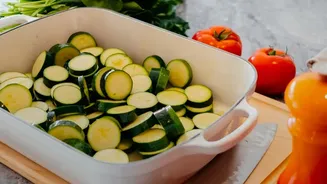
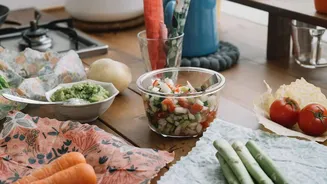
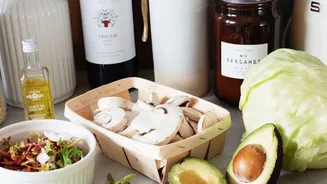
Your Sunday cook should focus on the foundational elements that take the longest to prepare. This is the time to wash and chop all your vegetables for the week, which is often the most time-consuming part of daily cooking. Cook a large batch of a versatile grain like quinoa, brown rice, or millets. For proteins, grill, bake, or slow-cook items like chicken breasts, paneer, or boiled chickpeas and lentils. You can also prepare a big pot of soup, stew, or a curry base that can be used later in the week. Another great Sunday task is to make one or two salad dressings or sauces that will elevate your meals instantly.
The Wednesday Refresh: Keeping Meals Exciting
The mid_week prep session is your secret weapon against boring leftovers. This shorter session is designed to add freshness and variety. It’s the perfect time to cook quick_cooking proteins like fish or shrimp for the next two days. You can also roast a new batch of quick_cooking vegetables like bell peppers or zucchini to add different flavours and textures. Use this time to assemble components for the next two nights. For example, you might marinate the chicken you cooked on Sunday for Thursday's dinner or combine pre_chopped vegetables and pre_cooked beans into a chili base that just needs to be heated through. This 'refresh' keeps meals dynamic and appealing.
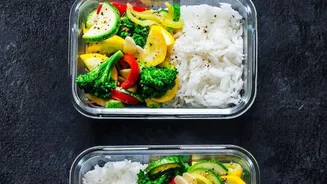
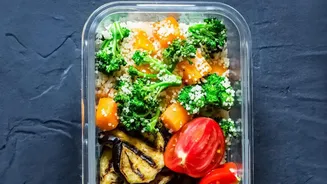
With your prepped components, assembling dinner becomes a 15_minute task. That roasted chicken from Sunday can become chicken salad wraps on Monday and part of a stir_fry with fresh Wednesday vegetables on Thursday. The large batch of quinoa can be a base for a sabzi bowl on Tuesday and mixed with black beans and corn for burrito bowls on Friday. The key is the 'mix_and_match' approach. Think of your fridge as a personal deli bar, with containers of cooked grains, proteins, roasted veggies, and fresh greens ready to be combined into a healthy, satisfying meal with minimal effort.
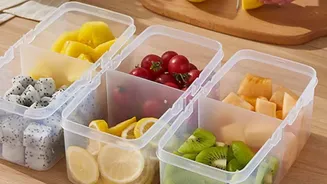
Proper storage is crucial to making this system work. Invest in quality airtight containers, preferably glass, as they don't stain or absorb odours and can often go directly into the microwave. For meals you'll eat within three to four days, the refrigerator is fine. Label everything with the contents and the date it was made. Allow food to cool before refrigerating to maintain its texture and prevent bacteria growth. For anything you won't eat within that window, the freezer is your best friend. Soups, stews, and curries freeze beautifully. When freezing, leave a little space at the top of the container for expansion.