







A Tale of Two Monsoons
The official numbers tell a story of stark contrast. The India Meteorological Department (IMD) reported that all-India rainfall for July 2026 was 1% above the long-period average, falling squarely in the 'normal' category. Yet, for Bengaluru, 'normal' felt
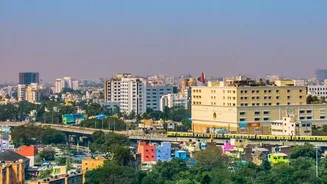
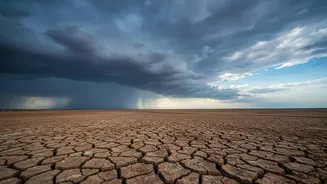
like a distant dream. The city observatory recorded a mere 23 mm of rain throughout the entire month, a staggering deviation from its typical July average of over 110 mm. This wasn't just a slight dip; it was the city's second-driest July in 108 years. While central India saw an excess of rain, the southern peninsula remained parched, with a significant deficit that the national average completely obscured.
What 'Normal' Really Means
The heart of the issue lies in how 'normal' is defined. The IMD classifies the monsoon as normal if the all-India rainfall is between 96% and 104% of the Long Period Average (LPA), a figure derived from decades of data across the entire country. This broad-stroke approach is essential for national agricultural and economic planning, but it can be misleading. A 'normal' national figure can be the result of severe floods in one region canceling out a severe drought in another. As climate change makes rainfall patterns more erratic, with intense bursts and prolonged dry spells becoming more common, these national averages are increasingly masking extreme local realities. Almost half the country's districts were still suffering from deficient rainfall even as July ended on a 'normal' note nationally.
The High Stakes of a Dry Spell
For a city like Bengaluru, this statistical discrepancy has dangerous, real-world consequences. The city's water security is a tightrope walk, heavily dependent on monsoon-fed reservoirs in the Cauvery basin and rapidly depleting groundwater. A dry July places immense pressure on these already stressed resources. The Bangalore Water Supply and Sewerage Board (BWSSB) has already warned that without adequate rainfall, the city could face a drinking water crisis in five to six months. Demand for tanker water, a lifeline for many outer areas, has already surged. This is not an abstract meteorological debate; it's about whether taps will run dry in the homes of millions.
Why Local Data is King
This is why a shift in focus is critical. We need to move beyond a single, national monsoon narrative and empower cities with their own localized assessment frameworks. City-specific data allows for more effective urban planning, from managing reservoir levels and regulating construction to implementing timely water conservation measures. When citizens see a 'normal monsoon' headline while their own wells run dry, it erodes trust and diminishes the urgency of conservation. A Bengaluru Monsoon Index, for instance, could provide a more accurate and actionable measure of the season's performance for residents, policymakers, and industries, reflecting the unique vulnerabilities of the urban ecosystem.