



From Sightseeing to Soul-Searching
For years, the blueprint for a domestic holiday was fairly standard: pick a popular hill station or beach, book a hotel, and visit the main attractions. But a significant shift is underway. Today’s travellers, particularly millennials and Gen Z, are looking
for more than just a pretty picture. There's a growing appetite for experiential travel, a trend that prioritises immersive activities and genuine cultural connections over passive sightseeing. This change has been accelerated by a post-pandemic desire for more meaningful journeys and a deeper connection to one's roots. Instead of just seeing a place, people want to feel it, and there's no better way to do that than by diving headfirst into a local celebration. According to travel industry reports, a majority of Indian travellers are now keen on planning trips specifically around cultural events.
The Powerful Pull of Local Festivals
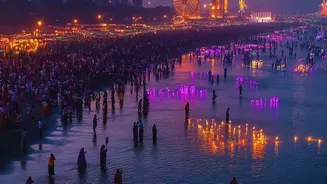
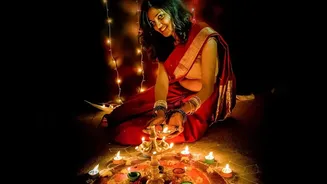
What makes a festival the perfect travel anchor? Unlike a monument, which stands silent, a festival is a living, breathing expression of a region's identity. It offers a sensory explosion of unique rituals, traditional music, vibrant attire, and incredible food. Attending a festival allows travellers to participate in, not just observe, a culture. Travel companies report that events are no longer just a bonus to a trip; they are often the primary reason for it. This trend is visible across the country, from travellers planning holidays around Onam in Kerala and Navratri in Gujarat to Durga Puja in West Bengal. These events offer a unique window into local traditions and provide an experience that is both memorable and deeply personal, turning a simple holiday into a cherished memory.
A Calendar of Unforgettable Experiences
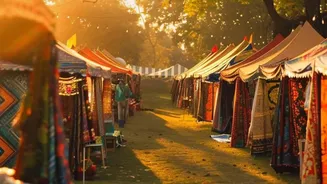
India's cultural calendar is packed with unique festivals that are now drawing tourists from all corners of the country. In Nagaland, the Hornbill Festival, held in the first week of December, unites the state's sixteen major tribes in a spectacular showcase of their distinct traditions, dance, and music. In Kerala, the 10-day Onam harvest festival is marked by stunning flower carpets called Pookkalam, grand feasts, and the famous Vallamkali (snake boat races). For those seeking a desert spectacle, the Pushkar Camel Fair in Rajasthan offers a mesmerising blend of cultural events, folk music, and, of course, thousands of camels against a backdrop of dunes. In the Kutch district of Gujarat, the Rann Utsav transforms the white salt desert into a tent city brimming with handicrafts, music, and dance. These are not just events; they are entire ecosystems of culture waiting to be explored.
The Social Media Effect
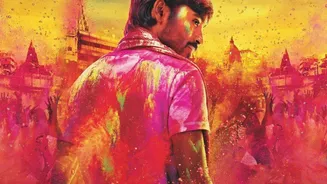
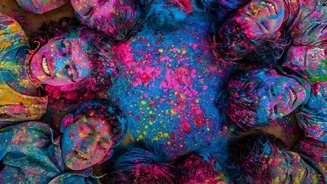
The rise of festival tourism has been significantly fueled by social media. Platforms like Instagram and YouTube have transformed these regional celebrations from local affairs into national phenomena. Vivid images and reels of the colours of Holi in Jaipur, the elaborate pandals of Durga Puja in Kolkata, or the masked dancers of the Hemis festival in Ladakh create a powerful sense of 'fear of missing out' (FOMO) and inspiration. According to reports, social media is a major driver influencing travel decisions, making once lesser-known festivals seem accessible and highly desirable. Travel companies have noticed this trend, creating curated itineraries and 'travel for a reason' calendars that cater directly to this digitally-savvy audience looking to experience these photogenic cultural moments firsthand.
How to Plan Your Festive Trip
While festival travel is incredibly rewarding, it does require some planning. These events often mean larger crowds and higher prices for flights and accommodation, so booking in advance is key. Research shows that savvy travellers are already planning their trips three to six months ahead to secure good deals and ensure availability during peak festival dates. Beyond logistics, it's important to approach these cultural events with respect. Read up on local customs, dress appropriately, and always be mindful that you are a guest participating in a community's cherished traditions. A little awareness goes a long way in ensuring a positive experience for both you and your hosts.