





The Unpredictable Nature of Monsoon Travel
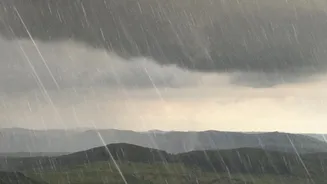
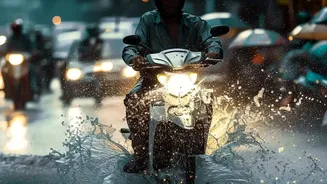
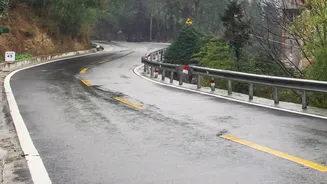
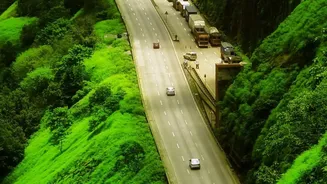
While the allure of rain-washed landscapes is strong, monsoon travel demands respect and caution. The season's primary dangers are not just about getting wet; they involve serious risks that can change a travel plan in minutes. Flash floods can submerge
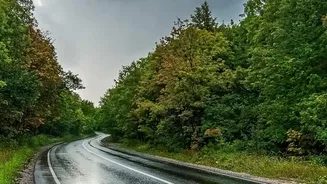
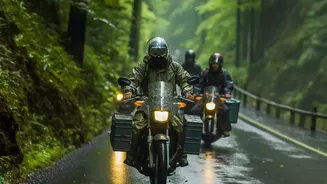
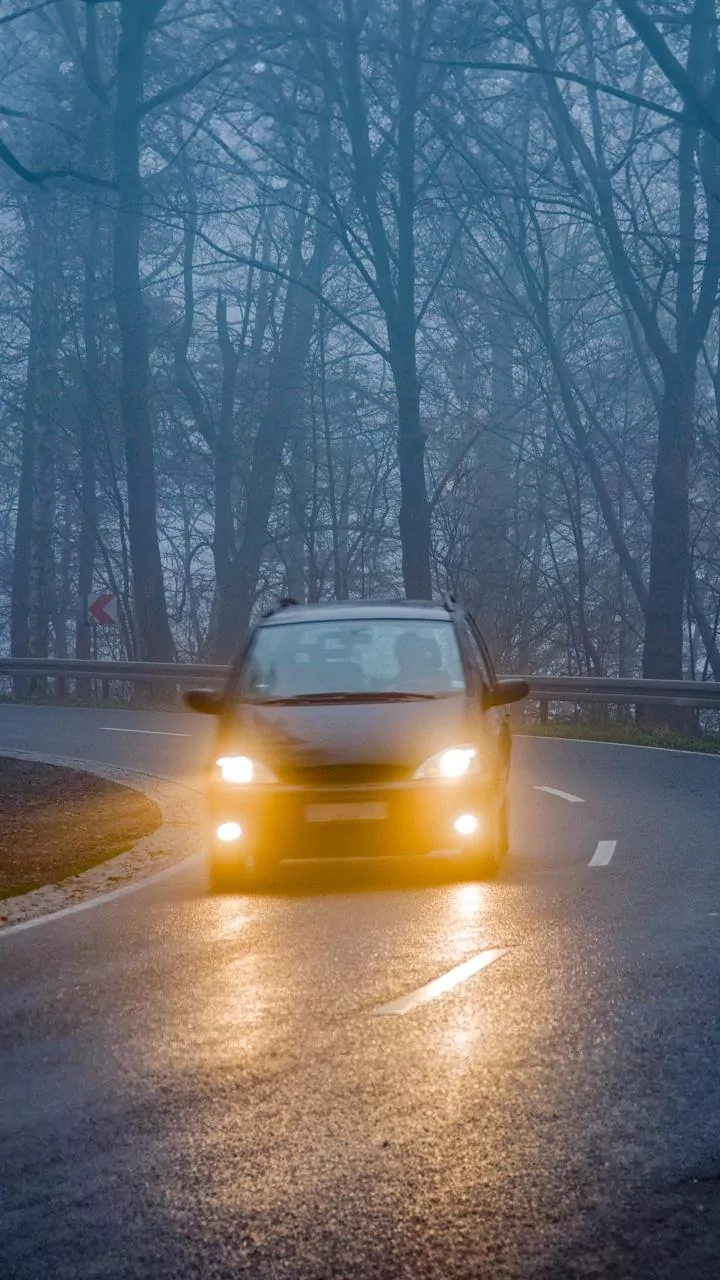
roads, landslides can block entire highways in hilly regions, and widespread waterlogging can bring traffic to a standstill even in urban areas. Poor visibility due to heavy downpours or fog significantly increases driving hazards. A route that was perfectly clear in the morning can become impassable by the afternoon. This is why a single weather check for your final destination is not enough; you must monitor conditions along every part of your journey.
Your Digital Toolkit from the IMD
The India Meteorological Department provides a suite of free, accessible tools designed to keep citizens informed and safe. Before you even pack your bags, familiarise yourself with these resources. The main portal, mausam.imd.gov.in, is your primary source of information. For on-the-go updates, the IMD offers several mobile apps. The 'Mausam' app provides location-specific forecasts, radar images, and warnings. The 'Damini' app is specifically designed to give early warnings for lightning strikes, a common monsoon hazard. Another useful app is 'Meghdoot,' which provides weather-based advisories, particularly for rural areas. These tools transform your smartphone into a powerful device for proactive travel safety.
How to Decode IMD's Colour Warnings
The IMD uses a simple colour-coded system to communicate the severity of expected weather, which is crucial for travellers to understand. Green (No Warning): 'All is well.' No adverse weather is expected, and you can proceed with your plans. Yellow (Be Aware): This indicates the potential for bad weather that could disrupt daily activities. It’s a sign to keep yourself updated and be cautious. Orange (Be Prepared): This is an alert for extremely bad weather. Expect potential disruptions in transport and power supply. You should be prepared for significant travel delays or route changes. Red (Take Action): This is the highest level of warning, indicating that severe weather is imminent and poses a significant risk to life and property. When a red alert is issued for your route, you should postpone or cancel your travel plans.
Planning Your Journey Segment by Segment
The key to a safe monsoon journey is granular planning. Instead of just checking the weather for your destination, use the IMD website or Mausam app to check the forecast for every district you will pass through. The IMD website features a dedicated 'Highway Forecast' section, which provides weather updates for major national highways. This is an invaluable resource for road-trippers. Pay special attention to warnings for heavy rainfall, thunderstorms, and, most importantly, landslide or flash flood advisories for any ghat sections or mountainous terrain on your route. Look at the 5-day district-wise warnings to understand the weather pattern for your entire travel window, not just the day of departure.
Real-Time Updates with 'Nowcast'
Weather can change rapidly during the monsoon. That's where the IMD's 'Nowcast' feature comes in. Available on the Mausam app and website, Nowcast provides highly localised warnings for the next two to three hours. This is extremely useful for making real-time decisions while on the road. For example, if a Nowcast alert for an intense spell of rain or a thunderstorm is issued for the area you are about to enter, you can decide to wait at a safe location until the weather passes. Always check Nowcast updates before navigating through vulnerable stretches like low-lying areas prone to waterlogging or hilly roads.
A Final Monsoon Safety Checklist
Beyond weather checks, a few practical steps can enhance your safety. First, ensure your vehicle is monsoon-ready: check your tyres for good tread, ensure wipers are working perfectly, and all lights are functional. Second, pack an emergency kit with a first-aid box, a torch, a power bank, dry snacks, and extra drinking water. Third, always inform family or friends of your itinerary and estimated travel times. Finally, avoid driving after dark on unfamiliar roads, especially in hilly areas where visibility can drop to near-zero. Be flexible with your schedule; building in buffer days can reduce the stress of unexpected delays.