




Beyond the Button
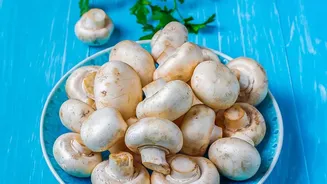
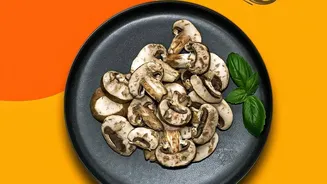
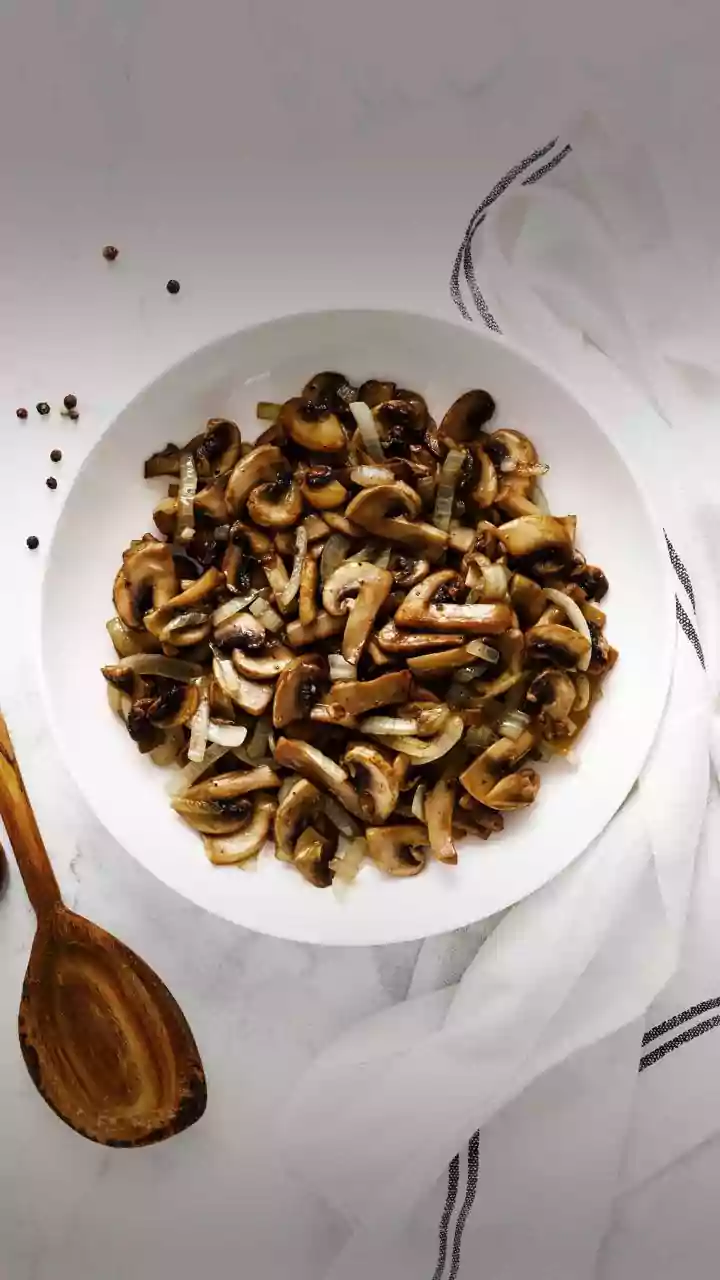
For decades, the Indian culinary experience with mushrooms was largely limited to the common button mushroom, typically swimming in a familiar gravy. But a significant shift is underway. A growing number of cafés and restaurants are now exploring a much
wider world of fungi. Varieties like the smoky shiitake, delicate oyster, meaty portobello, and even the seafood-like Lion's Mane are becoming increasingly common. This diversification is a response to a more curious and well-travelled Indian diner who is eager to explore new textures and flavours. The mushroom market in India is expanding rapidly, with a projected compound annual growth rate of over 12%. This growth is largely driven by a move toward these gourmet varieties, once considered exotic but now finding their way into mainstream kitchens.
The Health Halo Effect
One of the biggest drivers of the mushroom boom is health consciousness. Modern consumers are increasingly looking for foods that don't just taste good but also offer functional benefits, and mushrooms fit the bill perfectly. Regarded as a superfood, they are low in calories, cholesterol-free, and packed with protein, fibre, and essential nutrients like B vitamins, selenium, and potassium. Many gourmet varieties contain powerful compounds like beta-glucans, which are known to boost the immune system, and antioxidants like ergothioneine. This potent nutritional profile makes mushrooms an attractive ingredient for health-focused menus, appealing to everyone from vegans seeking high-protein options to diners simply wanting a nutrient-dense meal.
A World of Flavour and Versatility
Beyond their health benefits, chefs are falling in love with the sheer culinary versatility of mushrooms. Different species offer a stunning range of flavours and textures. Shiitake mushrooms lend a rich, smoky depth, while oyster mushrooms are prized for their delicate taste and velvety feel. The dense, meaty texture of a portobello makes it a satisfying substitute in burgers, while Lion's Mane has a unique texture often compared to scallops or crab meat. This adaptability allows chefs to innovate across their menus. The distinct savoury flavour known as umami, naturally present in many mushrooms, makes them a powerful ingredient for adding depth to vegetarian and vegan dishes, providing a satisfying richness that can mimic meat.
On the Menu: From Coffee to Cutlets
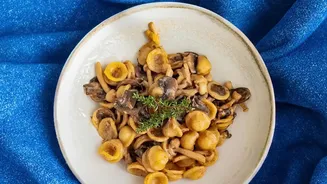
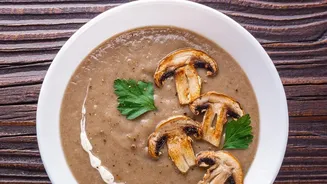
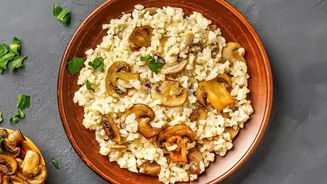
This new-found appreciation is leading to some truly creative applications in Indian cafés. The trend goes far beyond simple sautés and curries. You might now find mushroom coffee, where mushroom extracts are blended with coffee beans for a less caffeinated, nutrient-rich brew. Some menus feature wild mushroom risottos, parmesan maki with miso king oyster mushrooms, and even mushroom tiramisu. At Masala Library in Mumbai, a mushroom consommé is served theatrically as 'Mushroom Chai'. This willingness to experiment shows that chefs no longer see mushrooms as a mere add-on but as a star ingredient capable of carrying a dish, whether it's a flavourful mushroom pepper fry or a hearty burger patty.
From Local Farms to Urban Plates
This culinary trend would not be possible without a corresponding revolution in agriculture. A growing number of farmers and specialised startups across India are now cultivating these once-rare gourmet mushrooms. Companies like Shroomery in Haryana and Gourmet Mushroom Company in Bengaluru are dedicated to growing a wide variety of fresh, chemical-free mushrooms and supplying them directly to restaurants and consumers. This boom in local cultivation has made exotic mushrooms more accessible and affordable for cafés, ensuring a steady supply of high-quality produce. This farm-to-table connection not only supports local enterprise but also guarantees that the mushrooms on your plate are as fresh as possible.