



A Pattern Steeped in History
Damask isn't just a pretty pattern; it's a piece of history woven into fabric. Its name comes from Damascus, a major trading city on the ancient Silk Road where European traders first encountered this luxurious textile. The technique itself likely originated
in China as early as 300 B.C. Originally hand-woven from silk and reserved for royalty, damask is defined by its unique weaving process, which creates a reversible, subtly shimmering pattern. The design is part of the fabric itself, with motifs appearing as a glossy, raised texture against a matte background. This rich heritage is what gives damask its timeless, opulent feel.
Why It Works in Modern Homes
In an era where many interiors lean towards minimalism, damask offers a welcome dose of personality and depth. It’s a rebellion against flat, sterile surfaces, providing visual interest that feels curated and intentional. The key to its modern revival lies in its versatility. Once associated with heavy, dark fabrics and formal rooms, today’s damask has been reimagined. It’s no longer just for grand estates; it's being used to create jewel-box effects in apartments and add a touch of sophisticated drama to everyday rooms. The beauty of damask is that it can feel both traditional and contemporary at the same time.
Create a Statement Wall
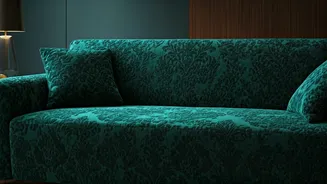
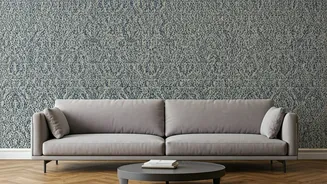
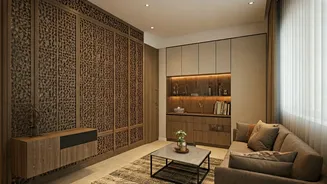
The most dramatic way to incorporate damask is with wallpaper. An accent wall in a living room or behind the bed can act as a stunning focal point. In a smaller Indian flat, you don’t need to be afraid of its bold nature. A well-chosen damask can actually create an illusion of grandeur. To keep it modern, consider a large-scale pattern or a contemporary colour palette. A tone-on-tone grey or a subtle metallic sheen can add texture without overwhelming the space. For a bolder look, try pairing a classic pattern with a vibrant colour like emerald green or sapphire blue.
Incorporate Through Textiles
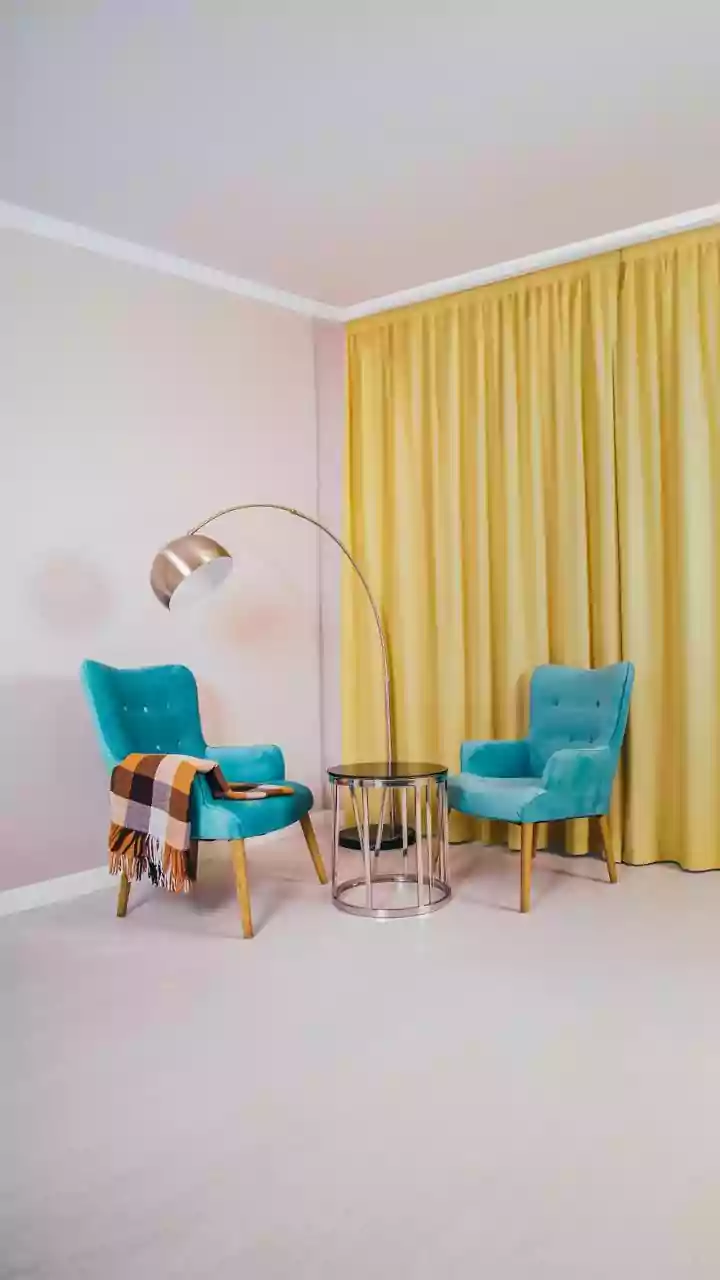
If wallpaper feels like too much of a commitment, textiles are the perfect way to experiment. A pair of damask curtains can frame a window beautifully, adding a touch of elegance without dominating the room. Upholstering a single piece of furniture, like a statement armchair or a headboard, can introduce the pattern in a controlled, impactful way. Even smaller touches can make a big difference. Think about throw pillows on a neutral sofa, a damask bedspread in the bedroom, or a patterned rug to anchor a seating area. These elements are easy to swap out and allow you to play with the trend on your own terms.
Rethink the Colour Palette
The secret to modernising damask is colour. Forget the heavy burgundies and golds of the past. Today’s damask shines in fresh, unexpected hues. Monochromatic palettes—like shades of grey, cream, or even black and white—create a sophisticated, textured look that is both classic and contemporary. Cool tones like dusky blue or sage green bring a calming, fresh feel to the intricate pattern. For a more glamorous, rock-chic vibe, try a bold damask in fuchsia or electric blue paired with mirrored or metallic furniture. The contrast between the heritage pattern and the modern colour is what makes it feel exciting and new.