
The Smart Meal-Prep Strategy
The secret to quick and delicious home-cooked meals during a busy week isn't cooking seven different dishes in advance. It's about creating building blocks. For curries, this means preparing one or two foundational sauces, or 'masalas,' that can be adapted
throughout the week. By getting the time-consuming part—slowly cooking onions, garlic, ginger, and spices—out of the way, you can whip up a fresh curry in under 20 minutes any night of the week. This approach saves money, reduces food waste, and is significantly healthier than most takeaway options. Plus, many restaurant kitchens use this exact method to serve a variety of curries quickly.
Base 1: The All-Purpose Tomato-Onion Base
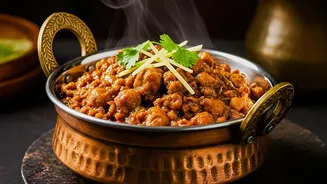
This is the workhorse of many North Indian curries. Its balanced, savory, and slightly tangy profile makes it the perfect starting point for dishes like chickpea masala, chicken curry, or a simple vegetable stir-fry. To make it, you'll slowly caramelise finely chopped onions in oil until they are deep golden brown. Then, add ginger and garlic paste, followed by powdered spices like turmeric, coriander, and a bit of red chilli powder. Finally, add pureed tomatoes and cook everything down until the oil begins to separate from the mixture. This indicates that the base is well-cooked and ready. You can make a large batch and it will form the foundation for several meals.
Base 2: Fragrant Green Curry Paste
For a completely different flavour profile, a homemade Thai-style green curry paste is a game-changer. While store-bought is convenient, a fresh paste is brighter and more aromatic. The key ingredients are fresh green chillies, lemongrass, galangal (or ginger), shallots, garlic, and coriander roots. Kaffir lime leaves and a little shrimp paste (or miso for a vegan option) add complexity. Making it is as simple as combining all the ingredients in a blender or food processor and blitzing until you have a relatively smooth paste. You may need to add a splash of water or coconut milk to get things moving. The initial effort of sourcing the ingredients is well worth it.
Portioning and Storage for Success
Once your bases have cooled completely to room temperature, storage is crucial. Storing them while hot can cause condensation, which affects flavour and texture. For refrigeration, store the bases in airtight containers. An oil-based sauce like the tomato-onion base can last for up to a week. For longer storage, freezing is your best option. A great method is to portion the bases into ice cube trays. Once frozen solid, transfer the cubes to a labelled freezer bag. This allows you to grab just the amount you need for a single-serving meal. The bases can be kept in the freezer for up to three months.
Your Week of Effortless Curries
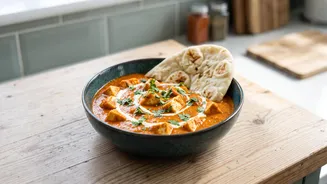
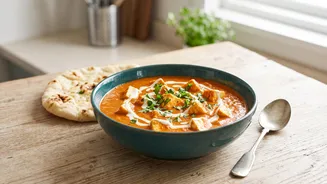
With your two bases ready, your weeknight cooking becomes an assembly job. For Monday's dinner, heat a few cubes of the tomato-onion base, add some chicken or paneer, a splash of water or cream, and simmer until cooked. On Tuesday, use the same base but add a can of chickpeas and a handful of spinach for a quick chana masala. Come Wednesday, you can switch to the green curry paste. Sauté some vegetables like bell peppers and broccoli, add the paste, and then pour in a can of coconut milk for a classic Thai green curry. On Thursday, use the green curry paste as a marinade for fish before baking. And on Friday, you can thin out the tomato base to make a rich soup or a sauce for poached eggs. The possibilities are nearly endless.