








The Fading Glory of the Traditional Gym
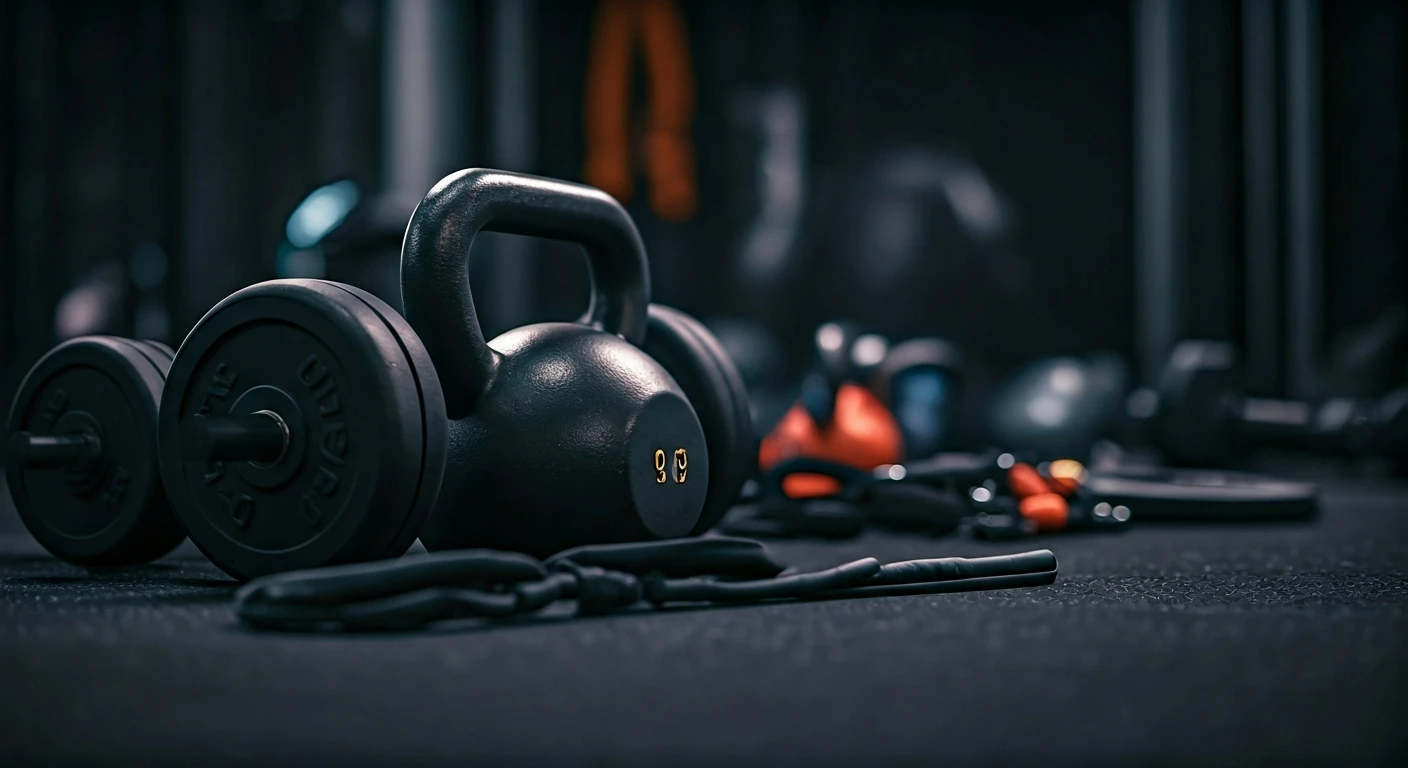
For decades, the “big-box” gym was the default setting for fitness in India. These large facilities, dominated by rows of cardio equipment and isolated weight machines, catered to a specific, self-motivated user. The model was simple: provide the tools
and leave the rest to the individual. However, motivations have broadened beyond just aesthetics like bodybuilding. Today's consumers are looking for functional strength, mobility, mental clarity, and injury prevention. The old model, often perceived as intimidating and lacking in guidance, has struggled to keep up with these evolving demands, creating a gap in the market. Formal fitness penetration in India remains below one percent, suggesting a huge disconnect between the desire to be healthy and what traditional gyms were offering.
The New Champion: Functional Fitness in a Group Setting
The clear winner in India's evolving fitness landscape is the rise of group-based functional fitness. This trend combines two powerful elements: workouts that mimic real-life movements and the energy of a community. Unlike machine-based exercises that isolate muscles, functional training uses compound movements like squats, pushes, and pulls, engaging multiple muscle groups at once to build practical, usable strength. When performed in a group setting—seen in formats like HIIT, CrossFit-style workouts, and specialized dance or yoga classes—it adds a layer of motivation and accountability that solo workouts lack. This shift is clear: consumers are moving away from monotonous routines towards engaging, efficient, and community-driven experiences.
Case Study in Dominance: The Cult.fit Model
No company embodies this winning trend more than Cult.fit. Initially launched with a “machine-free” approach, the company built its empire on group classes for boxing, yoga, and strength training. Its success lies in a hybrid, tech-first business model. Members use an app to book a variety of classes across numerous centres, offering flexibility that traditional gyms never could. During the pandemic, the company seamlessly pivoted to digital classes, retaining its user base while competitors struggled. By acquiring legacy brands like Gold's Gym India and expanding into Tier-2 and Tier-3 cities, Cult.fit has scaled aggressively, proving the dominance of its integrated, omnichannel approach.
Why This Model is Winning Hearts and Wallets
The success of this new fitness model comes down to a few key factors. First is the sense of community. Group classes foster a feeling of belonging that turns a solo chore into a shared social activity. Second is variety and gamification; by offering different workout formats and tracking progress through an app, brands keep users engaged and prevent boredom. Third is convenience. The hybrid model of physical studios plus digital at-home content fits the inconsistent schedules of modern Indian life. Finally, these new-age companies are building a holistic ecosystem, expanding into nutrition, mental wellness, and diagnostics, meeting a broader set of consumer needs under one umbrella.
The Future: A Hybrid and Hyper-Personalised Landscape
The trend is clear: the future of fitness in India is integrated and experience-driven. Boutique studios offering specialized, instructor-led formats like Pilates and MMA are the fastest-growing segment, projected to grow at nearly 19% annually. Traditional gyms are now racing to adapt by incorporating group classes and adopting technology to stay relevant. Consumers increasingly expect a seamless blend of offline and online services. The winner isn't just a type of workout, but a full-stack approach that combines community, technology, and holistic well-being to make fitness an indispensable part of daily life.