





From One-Size-Fits-All to Your-Size-Only
For decades, the beauty industry has operated on a mass-market model, leaving many to navigate a confusing sea of products. Personalised advice was a luxury, reserved for those who could afford dermatologists or high-end beauty consultants. Artificial
intelligence is changing this narrative. AI-powered beauty refers to the use of technologies like machine learning and computer vision to analyse individual needs and recommend products, routines, and even custom-formulated solutions. This shifts the focus from rigid, one-size-fits-all routines to adaptive, responsive care that treats skin as the dynamic, complex organ it is. Instead of hoping a product works, AI offers a data-driven approach to finding what truly suits your unique skin, hair, and style preferences.
Your Smartphone is the New Beauty Counter
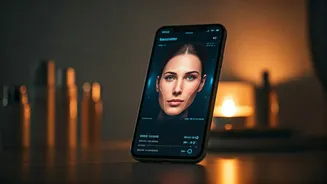
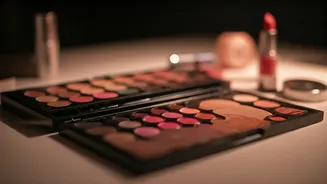
So how does it work? The magic happens through a combination of accessible tools. Many brands now use detailed online quizzes that go beyond simple 'oily' or 'dry' categories, factoring in lifestyle, diet, and environment. More advanced tools use your smartphone's camera for a quick selfie analysis. AI algorithms, trained on vast datasets of images, can detect skin concerns like fine lines, dark spots, acne, and uneven texture with impressive accuracy. Another popular feature is the augmented reality (AR) virtual try-on, which allows you to see how a lipstick shade or eyeshadow will look on you in real-time, eliminating purchase regret. Major players in India like Nykaa and Myntra have integrated these AR features, partnering with tech leaders like L'Oréal's ModiFace to make the experience seamless.
The Benefits of Smarter Beauty
The most significant advantage of this tech revolution is democratisation. AI-driven platforms provide affordable, on-demand consultations, bridging the gap for those who can't access professional advice. This enhanced accuracy means less money wasted on ineffective products and a reduction in product returns, which is also more sustainable. For Indian consumers, this is particularly transformative. Brands are now using AI to develop products specifically for Indian skin tones and concerns, which have historically been underserved by Western-focused product lines. Startups like Hyderabad-based SkinKraft use AI-driven profiling to create customised skincare regimens that address issues like pigmentation from sun exposure and humidity-induced oiliness, common in the Indian climate.
Putting AI into Practice
This technology is no longer a futuristic concept; it's already in use by major brands. L'Oréal's 'Beauty Genius' is an AI-powered personal assistant that offers diagnostics and recommendations across skincare, makeup, and hair care, leveraging a database trained by dermatologists. In India, Nykaa has been a pioneer, not only using virtual try-on technology but also recently announcing a collaboration with OpenAI to create more conversational and personalised shopping experiences within ChatGPT and on its own platform. Other Indian brands like Forest Essentials, WOW Skin Science, and Vedix are also using algorithms to provide customised Ayurvedic formulations and hair care solutions, blending ancient traditions with modern technology.
The Future is Personal and Private
The evolution doesn't stop here. The next frontier includes hyper-personalised products, where AI not only recommends but also helps create custom-blended foundations or serums mixed just for you. However, this increasing personalisation comes with a caveat: data privacy. As these platforms collect more personal data, from photos to lifestyle habits, it becomes crucial for brands to be transparent about how this information is used and protected. For the consumer, the rise of AI in beauty is overwhelmingly positive, turning the often-overwhelming process of choosing products into a confident, informed, and truly personal journey. It’s beauty that doesn't just see a customer, but sees you.