






A Massive Power Boost Under the Hood
The most significant, though invisible, upgrade is to the website's core capacity. Previously, the system buckled under pressure, especially during Tatkal bookings. The new Passenger Reservation System (PRS) has been built to handle a much higher load.
It can now reportedly process over 1.5 lakh ticket bookings per minute, a massive jump from the previous capacity of around 32,000. In tandem, the system's ability to handle enquiries like checking PNR status or seat availability has been increased tenfold, from 4 lakh to over 40 lakh enquiries per minute. In simple terms, the entire engine has been supercharged to reduce crashes and the dreaded 'service unavailable' message during peak hours.
A Cleaner Interface Minus the Annoyances
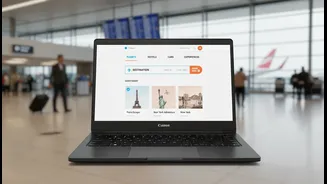
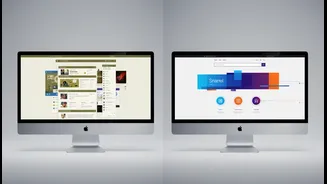
One of the most welcome changes is the visual decluttering of the website. The old design was often criticised for its crowded layout, distracting pop-up ads, and flashing graphics that made navigation difficult. The new portal features a cleaner, more intuitive interface designed to streamline the user journey. A major point of user frustration—the constant and often poorly-timed CAPTCHA verifications—is also being addressed. The new system aims to significantly reduce these interruptions, making for a smoother and faster booking flow from search to payment.
Smarter, More Convenient Booking Tools
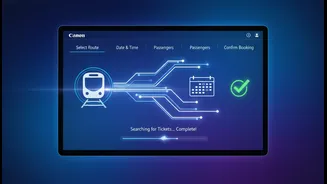
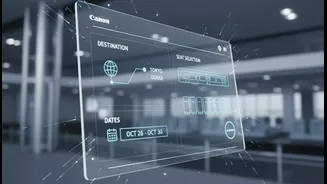
The new design introduces several passenger-friendly features that have long been standard on airline booking sites. A new fare calendar allows users with flexible travel plans to easily compare prices across different dates. Another time-saving update is the unified seat availability display. Instead of having to check different classes like Sleeper, 3AC, or 2AC one by one, users can now see availability across all classes on a single screen. The portal will also allow passengers to submit their preferred seat or berth choices during the booking process, adding a layer of convenience.
A More Streamlined and Inclusive Experience
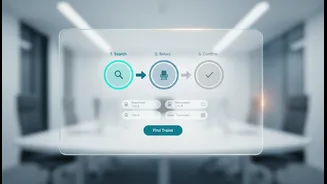
The entire booking process has been re-engineered to reduce the number of clicks and screens required to complete a reservation. This simplified checkout process, combined with the ability to save passenger details for repeat use, is expected to make a significant difference, particularly for frequent travellers and families. Furthermore, the platform has been made more accessible. It will now support multiple Indian languages and consolidate concession bookings for Divyangjan, students, and patients into a single, integrated system, removing the need to navigate separate portals.
The Role of AI with 'Ask Disha'
While not entirely new, the AI-powered chatbot 'Ask Disha' is becoming more central to the user experience. This virtual assistant can handle a wide range of queries and tasks in both English and Hindi, from booking and cancelling tickets to checking refund status and answering questions. It supports voice commands and aims to provide instant responses, reducing the need for users to call helpdesks for common issues. The integration of AI is meant to make the platform more of a travel companion rather than just a transactional tool, offering a more conversational way to manage bookings.