



Understanding Saffron's Magic
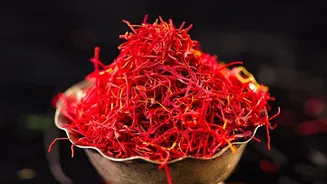
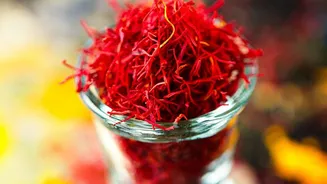
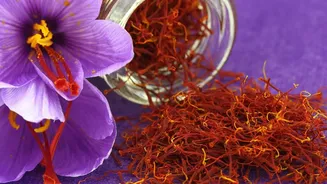
The true essence of saffron lies in its complex aroma and flavour, not just its vibrant colour. These characteristics come from specific chemical compounds within the delicate threads. The golden-yellow hue is from crocin, but the iconic aroma is primarily
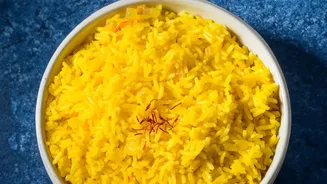
thanks to a compound called safranal. However, safranal isn't readily available in the dry threads. It's locked away in another compound, picrocrocin. The secret to incredible saffron aroma is learning how to properly unlock the safranal before it even touches your main dish. Simply tossing the threads directly into a pot of rice or curry is a common mistake that wastes both your money and the spice's potential.
The Golden Rule: Bloom Before You Cook
The single most important technique for maximising saffron's aroma is 'blooming'. This is the process of steeping the saffron threads in a warm liquid for a short period before using them. When saffron is introduced to liquid, the magic happens: the picrocrocin begins to break down and release the highly aromatic safranal. This infusion creates a potent, fragrant liquid that distributes flavour and aroma far more effectively than dry threads ever could. Think of it as waking the spice up. This simple, non-negotiable step is the foundation of using saffron correctly and ensures its essence permeates your entire dish, not just the few threads you can see.
Choosing The Right Liquid
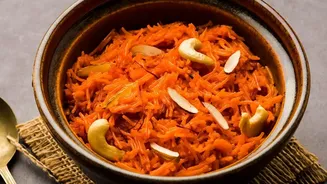
The liquid you choose for blooming should complement your recipe. For savoury dishes like biryani, pulao, or a rich korma, warm water or a clear broth works perfectly. For sweet dishes like kheer, phirni, or halwa, warm milk is the ideal choice, as it adds to the creaminess of the final dish. The key word here is 'warm', not 'hot'. The ideal temperature is similar to a comfortably warm cup of tea. Boiling liquid can actually damage the delicate aromatic compounds, diminishing the very scent you are trying to enhance. A good practice is to take a few tablespoons of the cooking liquid from your pot, let it cool slightly, and then use that to bloom your saffron in a separate small bowl.
A Practical Blooming Method
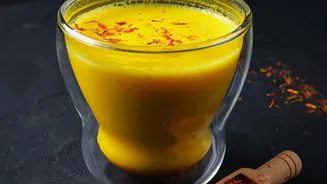
For a dish that serves four to six people, a generous pinch of about 15 to 20 saffron threads is a great starting point. Place the threads in a small bowl. Gently crush them with the back of a spoon or your fingers to increase the surface area, which aids in the infusion process. Add two to three tablespoons of your chosen warm liquid (milk, water, or broth). Stir gently and let it sit for at least 15 to 20 minutes. You will see the liquid transform, taking on a deep, beautiful orange-gold colour. This fragrant, infused liquid is your key ingredient, ready to be added to your recipe.
Perfecting Your Timing
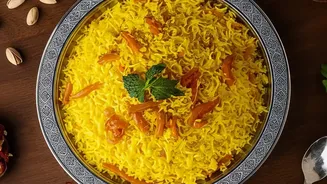
Now that you have your bloomed saffron liquid, when should you add it to your dish? Safranal, the main aroma compound, is volatile, meaning it can evaporate when exposed to high heat for extended periods. To preserve that beautiful, delicate scent, it is best to add the saffron-infused liquid towards the end of the cooking process. For a biryani, this often means drizzling it over the rice just before the final 'dum' or steaming stage. For a curry or a kheer, stir it in during the last five to ten minutes of simmering. This ensures the aroma remains potent and present when you serve the dish.
To Toast or Not to Toast?
You may hear about an advanced technique involving lightly toasting the saffron threads in a dry pan for a few seconds before crushing and blooming them. Toasting can indeed intensify the nutty and floral notes, creating an even more powerful aroma. However, it is a high-risk, high-reward method. Saffron threads are incredibly delicate and can burn in an instant, rendering them bitter and useless. For a practical starting point, it is best to master the blooming technique first. Once you are comfortable and confident with standard blooming, you can then experiment with a very gentle toasting method, but always proceed with caution.