
First, Understand Your Light
Before you buy a single pot, take a day to observe the light in your rooms. This is the most critical step. In India, the direction a window faces dramatically changes the light's intensity. A simple way to gauge this is the 'hand shadow test': at the brightest
time of day, hold your hand a foot above where you want to place a plant. A sharp, well-defined shadow indicates high or direct light. A softer, fuzzier shadow means medium or bright indirect light. A faint, barely visible shadow signifies low light. Generally, south and west-facing windows provide the most intense, direct light, which can scorch many plants, especially during peak summer. East-facing windows offer gentler morning sun, while north-facing windows give the least direct light but can remain bright all day. A spot that is more than a couple of metres away from any window likely qualifies as low light.
For Dim Corners: Low-Light Champions
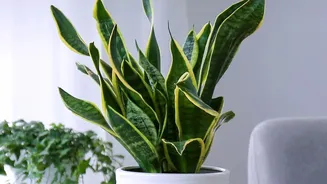
Many homes, especially urban apartments, have corners that don't receive much natural sun. This is where low-light tolerant plants become decorating heroes. These plants often originate from rainforest floors, where they are adapted to thrive under the canopy of larger trees. Don't mistake 'low-light tolerant' for 'no-light'; every plant needs some light to photosynthesise. However, these varieties are perfect for north-facing rooms or spots far from a window. Top choices include the nearly indestructible Snake Plant (Dracaena trifasciata) and the ZZ Plant (Zamioculcas zamiifolia), both of which tolerate infrequent watering. The Money Plant (Epipremnum aureum or Pothos) is another forgiving option, whose trailing vines look beautiful on a shelf, though its variegation may fade in very low light. The Peace Lily (Spathiphyllum) is also an excellent choice, known for its ability to adapt and even produce its elegant white flowers in lower light conditions.
The Goldilocks Zone: Medium-Light Favourites
Most common houseplants fall into this versatile category. They crave bright, indirect light, meaning they want to be in a bright room but not in the direct path of harsh sunbeams. This condition is typical of spots near an east-facing window or a few feet back from a sunny south or west-facing window, perhaps with a sheer curtain to diffuse the light. This is the ideal environment for some of the most popular and visually striking plants. The Monstera deliciosa, with its iconic split leaves, thrives here. Many Philodendrons, with their lush, heart-shaped leaves, also prefer this gentle brightness. Other excellent choices for this 'Goldilocks' zone include the Rubber Plant (Ficus elastica), the elegant Areca Palm, and the ever-popular Fiddle Leaf Fig—though the latter can be notoriously picky about its conditions.
For the Sunniest Windows: High-Light Beauties
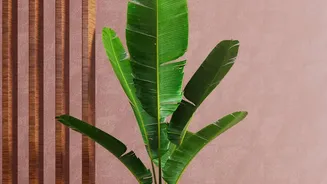
A spot that receives four to six hours or more of direct sun, like right in front of a south or west-facing window, is considered high light. While this intense sun can scorch many tropical plants, it's perfect for sun-worshippers. Cacti and most succulents, which evolved in desert conditions, are the most obvious choices and come in countless shapes and sizes. The popular Jade Plant, often considered a good luck symbol, also loves abundant light. If you want flowers, a sunny windowsill is the perfect spot for a Hibiscus plant to produce its vibrant blooms. The Bird of Paradise (Strelitzia) is another stunning option that needs plenty of light to flourish. Even some plants often thought of as lower-light, like certain varieties of Dracaena, can adapt to and enjoy a sunnier placement.
Decorating Beyond Survival
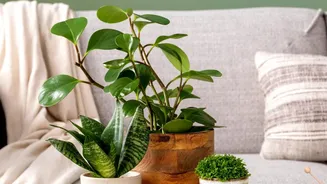
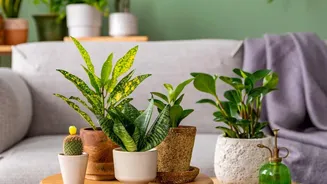
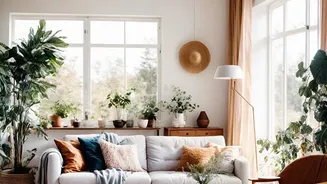
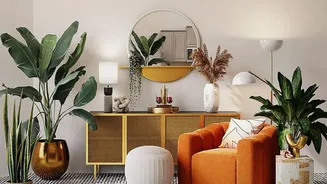
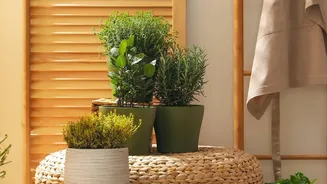
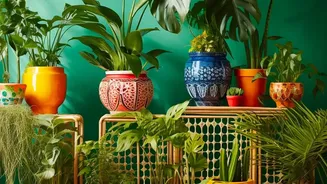
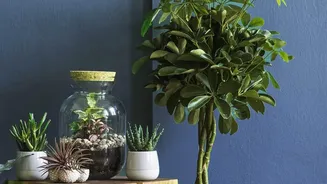
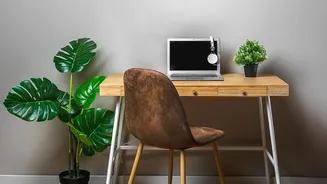
Once you match the plant to the light, you can focus on aesthetics. Think in layers. Use a tall plant like a Fiddle Leaf Fig or an Areca Palm to anchor a corner and create vertical interest. Use trailing plants like Pothos or English Ivy on bookshelves and mantles to soften hard lines. Group smaller plants of varying textures and heights together on a side table to create a mini-garden effect. Don't be afraid to use plant stands to elevate smaller specimens and create different levels. The pot is also part of the decor; choose containers that complement your room's colour scheme and style. A beautiful ceramic pot can turn a simple plant into a statement piece. The ultimate goal is to create a space that feels alive, and that starts by ensuring your living decor has the right conditions to thrive.