





The Big Reveal: India's Purple Powerhouse
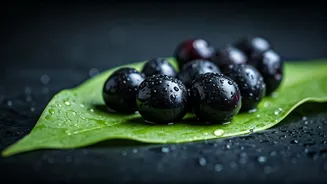
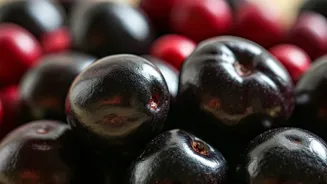
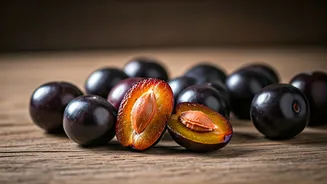
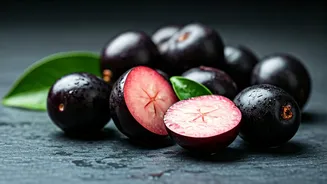
The fruit we're talking about is none other than Jamun. Also known as the Indian blackberry, Java plum, or by its scientific name Syzygium cumini, this deep purple fruit is a beloved sign of summer's arrival across India. For many, it’s a taste of nostalgia—memories
of purple-stained tongues, school holidays, and buying cones of the fruit sprinkled with black salt from street vendors. But beyond its tangy, astringent flavour, Jamun is a nutritional heavyweight that stands tall among the world's most celebrated superfruits. While we've been busy importing expensive wellness trends, this local hero has been waiting patiently for us to recognise its true worth.
Packed with Antioxidant Power
So, what makes Jamun a 'superfruit'? The secret lies in its vibrant colour. That deep, almost blackish-purple hue comes from a high concentration of anthocyanins, a type of flavonoid and potent antioxidant. Antioxidants are crucial for our health as they combat oxidative stress—a process caused by unstable molecules called free radicals, which can damage cells and contribute to ageing and chronic diseases. The antioxidant profile of Jamun is comparable to that of blueberries and other famous berries, making it a powerful ally in protecting your body at a cellular level. It’s also a good source of Vitamin C and iron, which are vital for a strong immune system and healthy blood.
A Friend to Blood Sugar Management
For generations, Jamun has been traditionally used in Ayurvedic practices, especially for managing blood sugar levels. Modern science is now beginning to understand the basis for this ancient wisdom. Jamun is a low-glycemic index fruit, which means it releases sugar into the bloodstream slowly, preventing sharp spikes. Furthermore, compounds found in both the fruit and its seeds are believed to help in the conversion of starch to energy, contributing to more stable blood glucose levels. While Jamun is by no means a cure for diabetes, studies suggest that incorporating it into a balanced diet may be beneficial for those looking to manage their blood sugar. The powdered seeds, in particular, are often recommended, but it's crucial to consult a doctor before using it as a supplement.
More Than Just a One-Trick Pony
The benefits don't stop at blood sugar and antioxidants. Jamun is a fantastic all-rounder for overall health. Its high fibre content aids in digestion and promotes a healthy gut, helping to prevent constipation and keep things running smoothly. The presence of potassium is beneficial for heart health, as it helps regulate blood pressure. Traditional wisdom also values Jamun for its cooling properties, making it the perfect fruit to combat the intense summer heat. Its astringent properties are even said to be great for skin health, helping to manage oily skin and prevent acne. It’s a holistic health package delivered in a small, delicious fruit.
How to Enjoy This Seasonal Gem
The best way to enjoy Jamun is, of course, fresh. Grab a handful during its short season (typically from May to July), sprinkle it with a pinch of black salt to balance its tartness, and enjoy. But its use isn't limited to that. You can de-seed and blend them into a refreshing smoothie with a bit of yoghurt. Press them for a vibrant, nutrient-rich juice. Or try making Jamun 'shots' for a quick health boost. For a year-round benefit, you can explore Jamun vinegar, which is gaining popularity for its digestive benefits, or use dried Jamun seed powder (after consulting a healthcare professional). From a simple snack to a wellness supplement, Jamun is remarkably versatile.