





The Night Owl Connection
Recent studies have drawn a clear line connecting our sleep patterns, or chronotypes, with the composition of our gut microbiome. One study published in iScience found that individuals who naturally stay up late, often called 'night owls', were more likely
to have a higher number of risk factors for metabolic syndrome. These risks, including high blood sugar and abnormal cholesterol, were most pronounced in night owls who also ate late into the evening. Research has identified distinct bacterial signatures for different chronotypes, with some studies noting that early risers, or 'larks', have higher levels of bacteria like Alistipes, while night owls tend to have more Lachnospira. This isn't just a minor difference; even a 90-minute shift in your sleep midpoint—the halfway point between when you fall asleep and when you wake up—has been associated with significant differences in gut bacteria.
Your Gut's Inner World
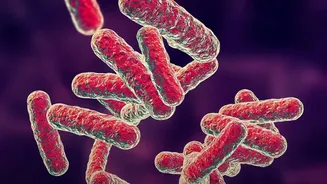
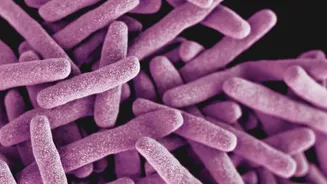
So, what's the big deal about gut bacteria? The gut microbiome is a complex ecosystem of trillions of microorganisms living in your digestive tract. This inner world is crucial for more than just digestion; it plays a vital role in regulating your immune system, producing essential vitamins, and even influencing your mood. A healthy microbiome is characterized by high diversity—a wide variety of different bacteria. When this ecosystem is thrown out of balance, a condition known as dysbiosis, it can have ripple effects across your health. Studies have linked disruptions in gut bacteria to an increased risk of obesity, type 2 diabetes, inflammation, and other chronic conditions. Essentially, keeping this internal community happy and diverse is a cornerstone of overall wellness.
The Body's Master Clock
The connection between sleep and gut health is coordinated by the body's internal timekeeping system: the circadian rhythm. This 24-hour cycle, primarily governed by light exposure, doesn't just tell us when to feel sleepy or awake. Nearly every organ in our body, including the gut, has its own local clock. These clocks regulate everything from hormone release to digestion. Our gut microbes also follow this daily rhythm, with different species becoming more active during feeding and fasting periods. When we stay up late, expose ourselves to artificial light, and eat at odd hours, we create a mismatch between our central body clock and our lifestyle. This 'social jetlag' can throw the entire system out of sync, disrupting the natural rhythms of our gut bacteria.
Unpacking the Health Risks
When circadian rhythms are consistently disrupted, the consequences can be significant. Research suggests that night owls may have fewer beneficial bacteria, such as those that produce short-chain fatty acids (SCFAs) like butyrate. SCFAs are critical for maintaining the health of our intestinal lining and controlling inflammation. A lack of these beneficial microbes, combined with late-night eating habits, is associated with increased intestinal permeability, or 'leaky gut'. This condition allows toxins and undigested food particles to pass into the bloodstream, triggering a low-grade inflammatory response throughout the body. Over time, this chronic inflammation is linked to metabolic disorders like insulin resistance and obesity.
How to Support Your Gut Clock
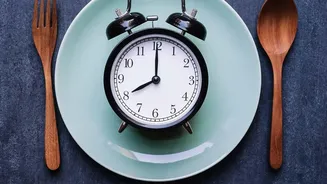
The good news is that you don't have to completely overhaul your life to support a healthier gut. Small, consistent changes can make a big difference. Try to maintain a regular sleep schedule, even on weekends, to minimize social jetlag. Gradually shifting your bedtime 15 minutes earlier can be a gentle way to adjust. Pay attention to meal timing; avoiding large, heavy meals late at night can give your digestive system a much-needed rest. Focus on a diet rich in fiber from fruits, vegetables, and whole grains, as these foods provide fuel for beneficial gut bacteria. Finally, getting exposure to natural light in the morning is a powerful signal to reset your body's master clock and align all your internal rhythms for the day ahead.