







The Seasonal Advantage
While tomatoes are available all year, there is a marked difference in quality between a greenhouse tomato in winter and a sun-ripened one from a summer market. Seasonal tomatoes, particularly local or heirloom varieties, possess a superior flavour profile.
They are sweeter, more intensely fragrant, and have a robust, fleshy texture. When making a pickle, this translates to a richer, more complex taste. Varieties like Roma or plum tomatoes are often recommended for pickles and sauces as they are meatier and have lower water content. This is crucial for a pickle, as excess water can dilute the flavour and shorten its shelf life. Using ripe, in-season tomatoes means you start with less water and more concentrated tomato goodness, resulting in a thicker, more flavourful final product.
Choosing Your Ingredients Wisely
The success of your pickle lies in the quality of its components. Start with firm, vibrant, and deeply red tomatoes. Avoid any with soft spots, blemishes, or a watery feel. For an authentic South Indian flavour, often called Thakkali Oorugai, you will need a specific set of spices. Key players include mustard seeds, fenugreek (methi) seeds, asafoetida (hing), and a good quality red chilli powder. Many traditional recipes also use tamarind to add a sharp tang and act as a natural preservative. The choice of oil is also significant. In South India, sesame oil (gingelly oil) is preferred for its nutty flavour, which complements the tomatoes and spices beautifully, while mustard oil is common in the North.
The Recipe: A Step-by-Step Guide
This recipe yields a spicy, tangy pickle with a long shelf life. First, prepare the spice mix. Dry roast about a teaspoon each of fenugreek seeds and mustard seeds on low heat until fragrant and the mustard seeds begin to pop. Let them cool, then grind to a fine powder. Next, wash and thoroughly dry about 1 kg of ripe tomatoes. It is crucial that all utensils and ingredients are completely dry to prevent spoilage. Chop the tomatoes and cook them in a heavy-bottomed pan with a bit of oil until they become soft and mushy and the moisture has largely evaporated. If using, add a small piece of tamarind to soften along with the tomatoes. Allow this mixture to cool completely before blending it into a paste.
The Art of the Tempering
The final step, known as tempering or 'tadka', is what brings the pickle to life. In a separate pan, heat a generous amount of sesame oil. Once hot, add mustard seeds. When they splutter, you can add optional ingredients like broken dried red chillies and several cloves of garlic. Fry until the garlic turns lightly golden. Turn the heat to low and add your chilli powder and asafoetida, giving it a quick stir to prevent burning. Immediately add the ground tomato paste to the hot oil. Mix everything well, add salt to taste, and cook on low heat, stirring continuously until the oil starts to separate from the mixture and floats on top. This is the sign that your pickle is cooked perfectly. Finally, stir in your ground fenugreek-mustard powder.
Storage and Serving Suggestions
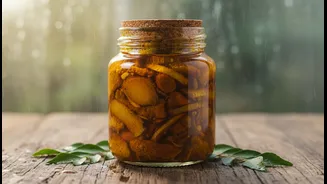
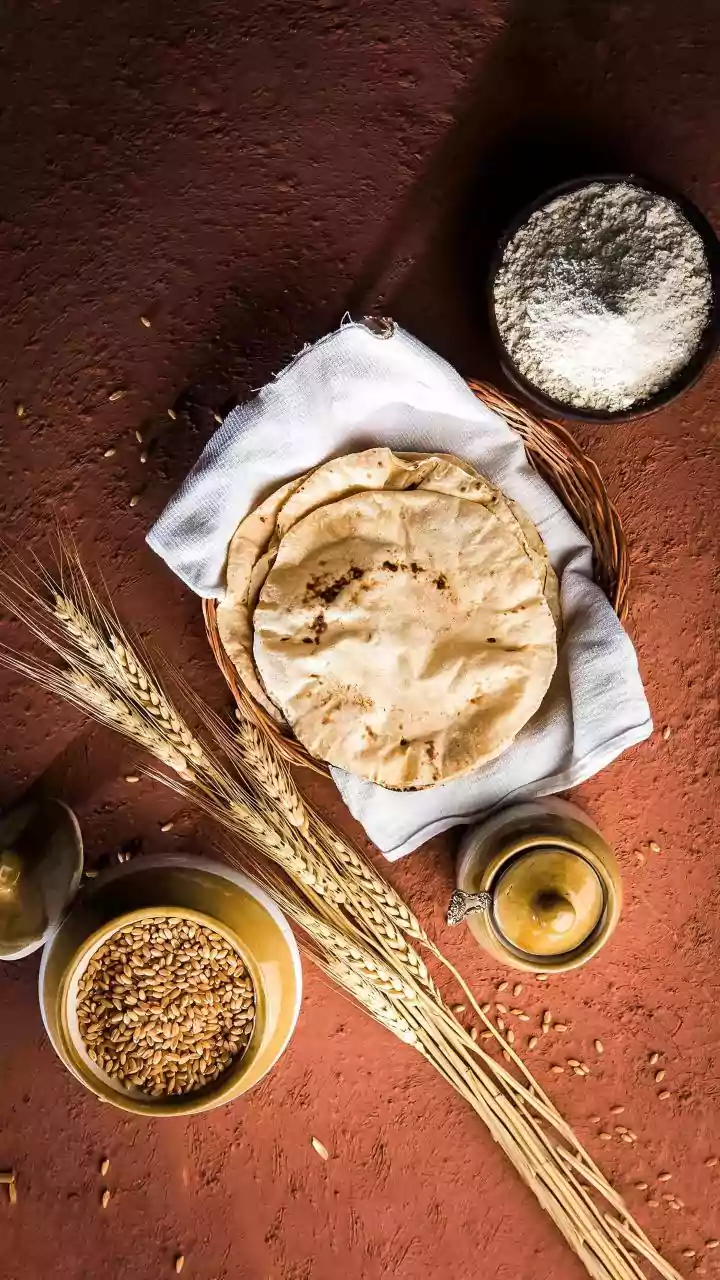
Allow the tomato pickle to cool completely before transferring it to a clean, dry, airtight glass jar. When stored in the refrigerator, this pickle can last for several months, with its flavour deepening over time. Always use a dry spoon to serve the pickle to ensure its longevity. This versatile condiment is a delicious accompaniment to a wide array of dishes. It pairs wonderfully with plain rice and ghee, curd rice, rotis, parathas, and dosas. You can even use it as a zesty spread for sandwiches or a flavour boost in your cooking.