




Understanding the Magic of Acidity
At its core, great cooking is about balance. We balance salty with sweet, bitter with rich, and so on. Vinegar’s primary role is to provide acidity, which acts as a bright, sharp counterpoint to fat and richness. Think about how a squeeze of lemon cuts
through the oiliness of fried fish; vinegar does the same job. It wakes up flavours that might otherwise feel heavy or muted. A splash of vinegar in a hearty dal, a rich stew, or a creamy sauce doesn't necessarily make the dish taste sour. Instead, it lifts all the other ingredients, making them taste more like themselves. It’s the secret ingredient that makes you wonder, 'What is that delicious, intriguing flavour?'
Your Essential Vinegar Toolkit
You don't need a dozen different bottles to get started. A few versatile vinegars can handle almost any task in the kitchen. **Apple Cider Vinegar:** Fruity, mild, and incredibly versatile. Its gentle tang is perfect for pork marinades, slaws, and bean salads. A splash can also brighten up a pot of lentil soup. **White Wine Vinegar:** Crisp, clean, and delicate. This is your go-to for classic vinaigrettes, deglazing a pan after sautéing chicken or vegetables, and making light, tangy sauces. **Red Wine Vinegar:** More robust and full-bodied than its white counterpart. It stands up well to strong flavours, making it ideal for beef marinades, hearty lentil dishes, and dressings for salads with bold ingredients like feta or olives. **Rice Vinegar:** A cornerstone of East and Southeast Asian cooking, this vinegar is mild, slightly sweet, and less acidic than Western vinegars. It’s essential for sushi rice, quick pickles (like cucumber or radish), and stir-fry sauces. **Balsamic Vinegar:** Dark, syrupy, and complex, with a distinct sweetness. While great in dressings, true aged balsamic is best used as a finishing touch—drizzled over roasted vegetables, fresh strawberries, or even a simple vanilla ice cream.
The Finishing Splash: An Effortless Upgrade
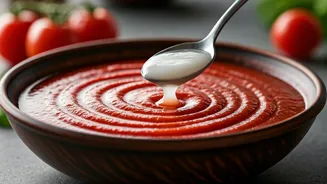
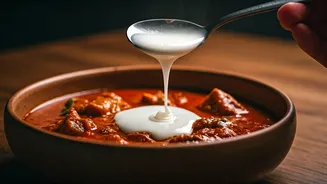
One of the easiest ways to use vinegar is as a finishing ingredient. This is the definition of adding sharpness 'without fuss.' Have you ever tasted a soup, curry, or stew and felt like it was missing… something? Before you reach for more salt, try a tiny splash of vinegar. Add it right at the end of cooking, off the heat. For a rich, tomato-based sauce, a bit of red wine vinegar can add a beautiful depth. For a creamy coconut curry, a dash of rice vinegar or lime juice can cut through the richness and make the flavours pop. Start with a small amount—a teaspoon or less—stir it in, and taste. You’ll be amazed at how it can bring a whole dish into focus.
Marinades That Go Beyond Flavour
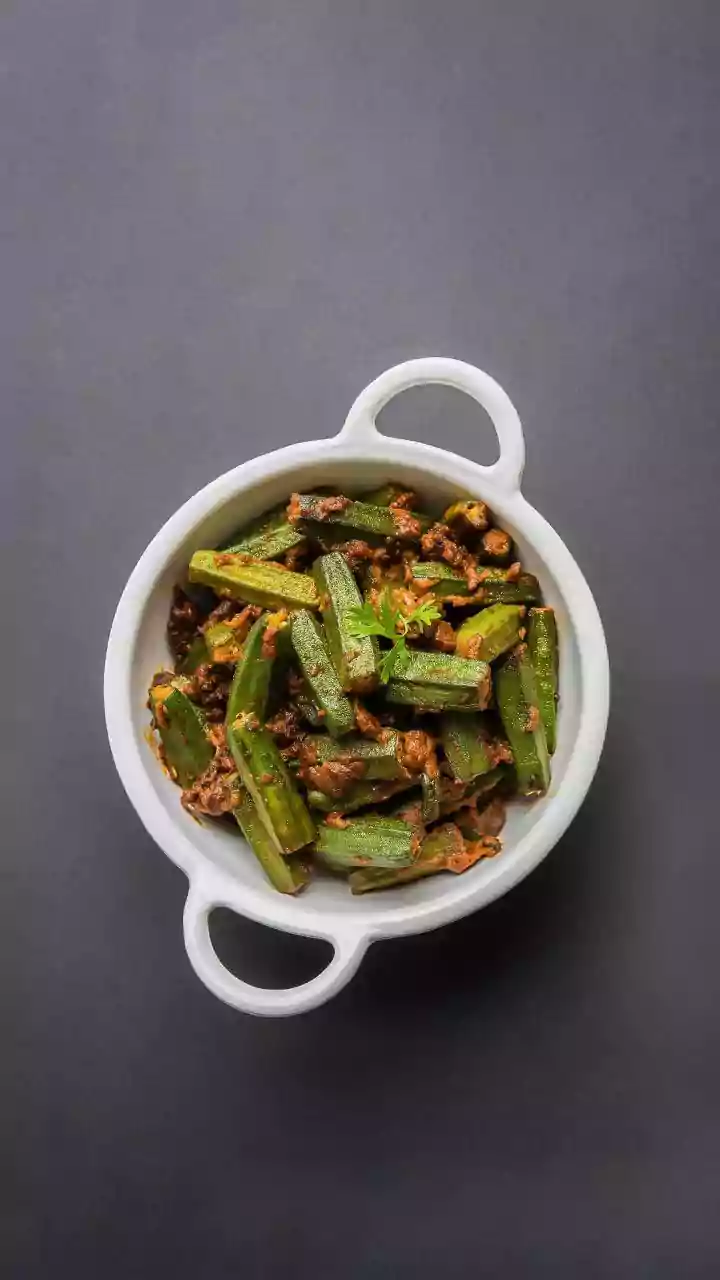
Vinegar is a powerhouse in marinades for two reasons. First, the flavour. Its sharpness permeates the meat or vegetables, providing a delicious foundation. Second, the acid helps to tenderise. It breaks down tougher proteins in meat, resulting in a more succulent final product. A simple marinade of apple cider vinegar, garlic, mustard, and a bit of oil can transform a basic chicken breast or pork chop. For vegetables, a quick toss in red wine vinegar, olive oil, and herbs before roasting concentrates their flavour and helps them caramelise beautifully in the oven. Just be careful not to marinate for too long, especially with seafood, as the acid can start to 'cook' the protein, changing its texture.
Make Quick Pickles in Minutes
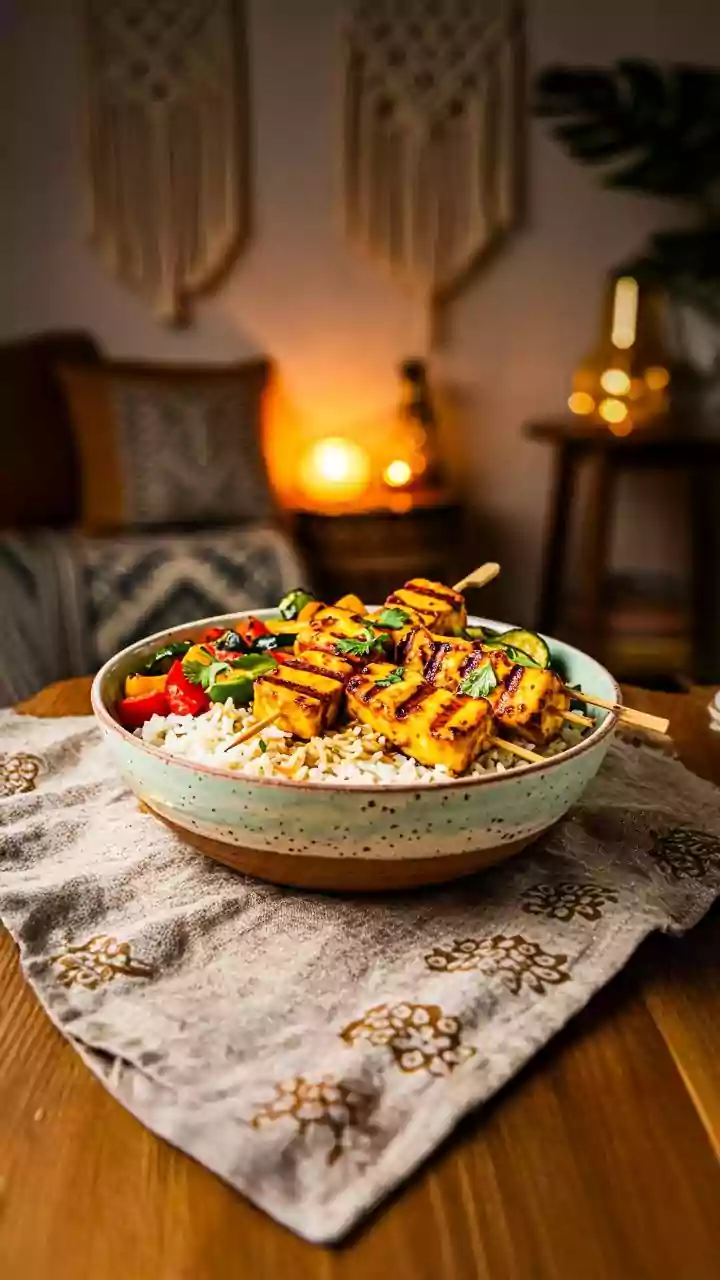
The idea of pickling might sound complicated, but a 'quick pickle' requires no special equipment and can be ready in under 30 minutes. This is where vinegar truly shines. Thinly slice some red onions and place them in a jar. Heat equal parts water and vinegar (white wine or apple cider work well) with a spoonful of sugar and a pinch of salt until just simmering. Pour the hot liquid over the onions, let it sit for about 20 minutes, and you’re done. You now have bright, tangy pickled onions to liven up sandwiches, tacos, salads, and grain bowls. This same method works for cucumbers, carrots, radishes, and even cauliflower. It’s a simple, fuss-free way to add a punch of acidity and crunch to any meal.