






What Is Recipe-Level Costing?
Recipe-level costing is a simple but powerful method of calculating the exact cost of a single serving of any dish you make at home. Instead of looking at your food spend as one large, monthly number, you break it down meal by meal. Originally a technique
used by restaurants to price menus and control expenses, it’s a strategy that can be adapted for any home kitchen to gain incredible clarity. It involves calculating the cost of each ingredient used in a recipe—down to the half-teaspoon of turmeric or the two tablespoons of oil—to find the total cost of the dish, which you then divide by the number of servings. This gives you a precise cost-per-serving figure, turning vague grocery bills into actionable data.
Why Your Monthly Budget Isn't Enough
A total monthly grocery budget is a good start, but it has its limits. It can tell you if you’ve overspent, but it can’t tell you why. Was it that expensive cheese you bought for a new pasta dish? The imported avocados? Or is a seemingly simple daily meal secretly costing more than you think? A broad budget lumps everything together, from staple grains like atta and rice to special-occasion ingredients. Without a granular view, you're essentially flying blind. You might cut back on the wrong things, sacrificing meals you love that are actually quite affordable, while continuing to make dishes that are quietly draining your wallet. Recipe costing shines a light on these hidden details, showing you precisely which meals are your budget heroes and which are the villains.
How to Calculate Your Cost Per Meal
Getting started is easier than it sounds. You don’t need complex software, just a notebook or a simple spreadsheet. First, as you buy groceries, keep your receipts and note the price and total weight or volume of each item (e.g., ₹200 for a 1kg bag of toor dal). Next, calculate the cost per unit, such as the cost per gram or per millilitre. For the dal, this would be ₹0.20 per gram. When you make a dish, like a simple dal tadka using 150g of dal, you can calculate the ingredient cost: 150g x ₹0.20/g = ₹30. Do this for every ingredient in the recipe—the onions, tomatoes, spices, and oil. Add it all up to get the total cost of the dish. Finally, divide that total by the number of servings it makes. If your dal serves four people, you now know the exact cost of one serving. It's a bit of work initially, but it quickly becomes a habit.
The Unexpected Benefits Beyond Savings
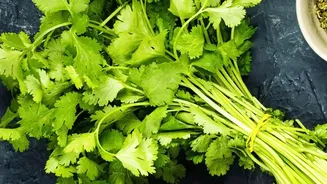
While the primary goal is financial clarity, recipe costing has other powerful benefits. Firstly, it drastically reduces food waste. When you see that the half-bunch of fresh coriander you let wilt cost you ₹15, you become more motivated to use what you buy. Tracking waste highlights the real financial impact of unused food, which for many urban Indian households can be significant. Secondly, it sparks culinary creativity. Knowing that a certain ingredient is expensive might encourage you to find a delicious, lower-cost substitute. This pushes you to experiment with seasonal, local produce which is often cheaper and fresher. It also helps with portion control; if you know a meal costs ₹150 per serving, you're more likely to serve and eat appropriate amounts.
Simple Tools to Get You Started
You can go low-tech or high-tech. A dedicated notebook and calculator are all you really need. For those who prefer digital tools, a spreadsheet app like Google Sheets or Microsoft Excel is perfect for creating a simple template to track ingredients and calculate costs. You can create columns for the ingredient, total price paid, total weight/volume, cost per unit, and then use formulas to automatically calculate the cost for each recipe. For the tech-savvy, some budgeting and meal planning apps are beginning to incorporate features that help you track costs per recipe or per serving, giving you a running total as you build your shopping list. The key is to find a system that you will actually use consistently, whether it’s pen and paper or a sophisticated app.