







1. The Right Rain Gear
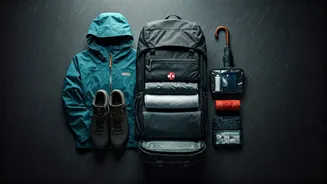
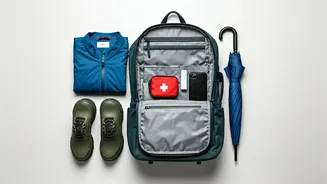
This seems obvious, but the choice matters. A sturdy, wind-proof umbrella is non-negotiable. Look for one with a strong frame that won’t flip inside out with the first gust of wind. For complete protection, especially if you use a two-wheeler or have
a long walk, a good quality raincoat is essential. Opt for a lightweight, breathable one that comes with its own pouch for easy storage once you’re indoors. Avoid bulky, heavy jackets that will be a pain to carry around. A rain poncho can also be a great, portable alternative that can cover you and your backpack.
2. Smart Footwear Choices
Your expensive leather shoes and canvas sneakers have no place in the monsoon. They absorb water, take ages to dry, and can be ruined by mud and moisture. The best footwear for this season is made of rubber or plastic. Think stylish rubber sandals, Crocs, or waterproof floaters. They are easy to wash, dry in minutes, and provide a good grip on slippery pavements. For a more formal look, waterproof ballerinas or plastic loafers are great options. The key is to prioritise non-slip soles and quick-drying materials to keep your feet comfortable and prevent fungal infections.
3. A Strategic Wardrobe
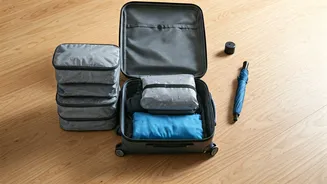
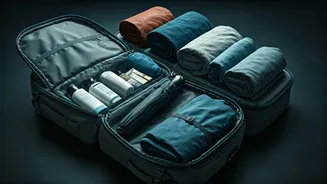
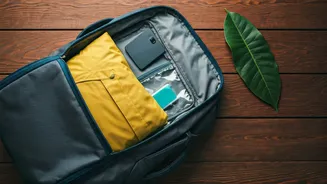
During the monsoon, fabric is everything. Ditch heavy materials like denim and thick cotton, which become heavy when wet and take forever to dry in the humid air. Instead, build your wardrobe around light, synthetic fabrics like nylon, polyester, and rayon. They don’t absorb much water and dry incredibly quickly. Lighter colours are also a good idea as they don’t show water stains as prominently as dark ones. Pack an extra set of clothes in your day bag if you have a long commute—you’ll be thankful for a dry change if you get caught in an unexpected shower.
4. Your Tech Survival Kit
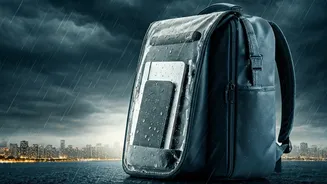
Water is the enemy of electronics. To protect your precious gadgets, invest in a few key items. A waterproof phone pouch is a lifesaver, allowing you to use your phone even in a light drizzle. For your laptop, tablet, and other devices, a waterproof backpack or a dry bag is the best defence. Even a simple plastic bag or a zip-lock pouch can offer temporary protection in a pinch. Also, consider carrying a power bank. Power cuts are more frequent during heavy rains, and a fully charged power bank ensures your devices don’t die when you need them most.
5. Health and Hygiene Essentials
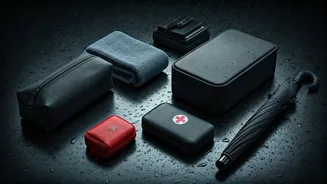
The monsoon brings with it a host of health concerns, from water-borne diseases to fungal infections. Keep a small bottle of hand sanitiser with you at all times. Mosquitoes also breed in stagnant water, so a good mosquito repellent is crucial, especially during the evenings. The high humidity can also cause skin issues. Carrying a small container of anti-fungal powder can help prevent rashes and infections in moisture-prone areas. It's also wise to carry a few basic medicines for common ailments like colds and stomach upsets.
6. The Often-Forgotten Extras
A few small items can make a huge difference. Pack a small, quick-drying microfibre towel. It’s far more practical than a regular cotton towel for drying off on the go. A compact hairdryer can be a godsend, not just for your hair but also for quickly drying damp patches on clothes or shoes before you head out. Finally, a few extra plastic bags are always useful for segregating wet clothes or muddy shoes from the dry items in your bag.