






Why Humidity Is a Dehydration Trap
On a hot, dry day, your body's air conditioning system works perfectly. You sweat, it evaporates, and you cool down. But when humidity is high, the air is already saturated with moisture, leaving no room for your sweat to go. It just drips off your skin
without providing that cooling relief. [5, 10] Your body's response is to sweat even more in a desperate attempt to cool down, leading to accelerated fluid and mineral loss. [5] This is why you can feel drained and lethargic on a humid day even without intense activity. The worst part? Your thirst signal can become unreliable. Because you're constantly covered in sweat, your brain may not register the need for water as effectively, creating a perfect storm for dehydration. [2, 7]
Beyond Water: The Electrolyte Factor
When you're sweating buckets in high humidity, you're not just losing water. You're also losing critical minerals called electrolytes—primarily sodium, along with potassium, magnesium, and calcium. [1, 15] These minerals are essential for nerve function, muscle contractions, and maintaining your body's fluid balance. [13] Relying solely on plain water can be a mistake; drinking excessive amounts can dilute the sodium levels in your blood, a dangerous condition known as hyponatremia, which can cause headaches, nausea, and confusion. [4, 8] This is why many viral tips focus on adding things to your water. The goal is to replace not just the fluid, but the essential salts lost through sweat. In humid conditions, replenishing electrolytes is just as important as drinking water. [12]
Decoding Viral Hydration Hacks
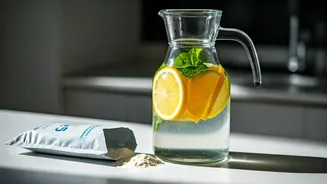
The internet is full of advice, but not all of it holds up. One common tip is to flavour your water with fruit infusions like lemon or cucumber. This is a great hack; while the added nutrients are minimal, the improved taste can encourage you to drink more frequently. [16, 19] Another trend involves homemade electrolyte drinks, often mixing water with a pinch of salt and a splash of citrus juice. This is a scientifically sound practice, as it helps replace lost sodium. [12, 15] However, be wary of trends that rely heavily on coconut water. While it's rich in potassium, it is often too low in sodium to fully replace what's lost in heavy sweat. [4, 11] The key is balance. A little salt and a natural flavour boost can be effective, but there's no single magic potion.
Smart, Simple Hydration Strategies
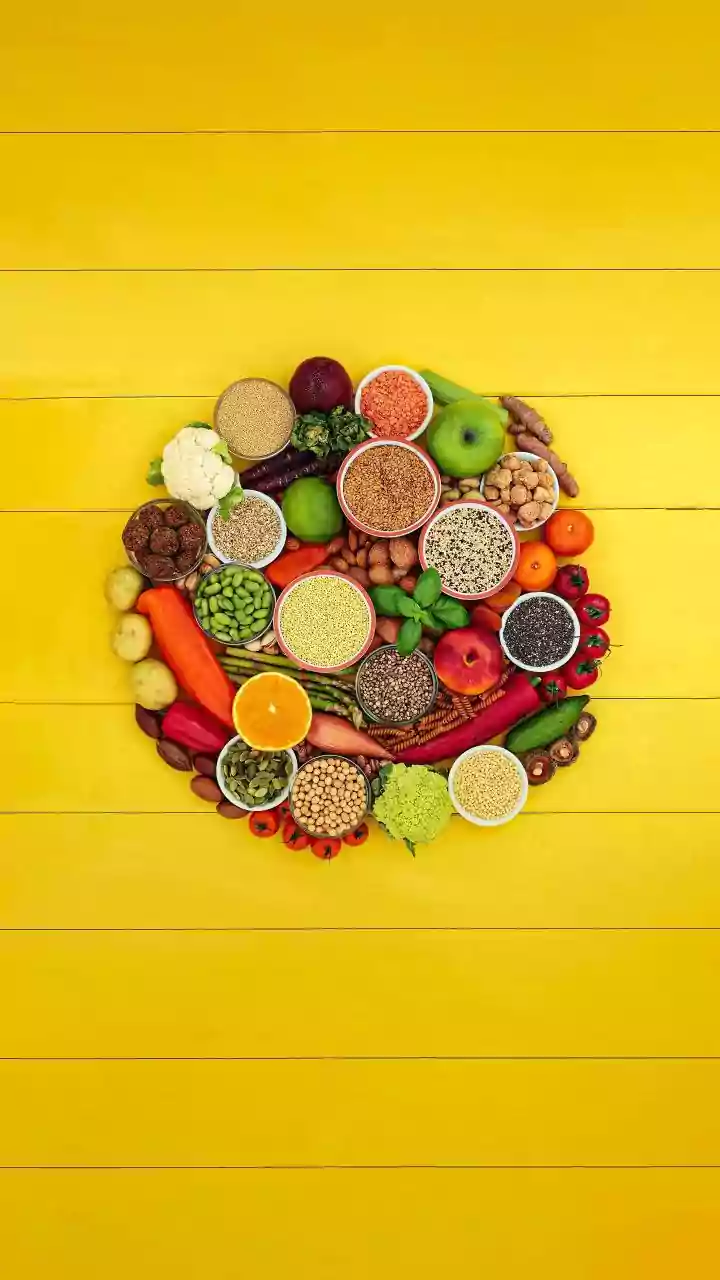
Instead of chasing complicated trends, focus on consistent, simple habits. Don't wait until you feel thirsty; by then, dehydration has already begun. [2, 14] A great strategy is to start your day with a glass of water and then sip steadily throughout the day rather than chugging large amounts at once. [8, 18] You can also 'eat your water' by consuming foods with high water content, such as watermelon, cucumbers, oranges, and tomatoes, which also provide vitamins and electrolytes. [2, 19] For drinks, think beyond plain water. Traditional Indian beverages like nimbu pani (with salt and sugar) or unsweetened lassi are excellent for replenishing fluids and electrolytes. Limiting caffeine and alcohol is also crucial, as they can contribute to fluid loss. [7]
Know the Warning Signs
Listening to your body is the most important tip of all. The early signs of dehydration are often subtle but shouldn't be ignored. These include feeling tired or sluggish, experiencing a dull headache, having a dry mouth, or muscle cramps. [1, 14] One of the most reliable indicators is the colour of your urine. If it’s a pale, lemonade-like yellow, you're likely well-hydrated. If it's dark yellow or amber, it's a clear signal that your body needs more fluids immediately. [8, 19] Dizziness and confusion are more serious signs that require prompt action to rehydrate. [1, 6]