



The Case for Morning Yoga: Energise Your Day
Starting your day with yoga can set a positive and energetic tone for the hours ahead. A morning practice can help kickstart your metabolism and sharpen your mental focus. When you first wake up, your body is transitioning out of a state of rest. Gentle
movement can aid this process, gradually increasing circulation and waking up your muscles and joints. Studies suggest that a consistent morning routine is often easier to stick to, as there are typically fewer distractions or competing commitments compared to later in the day. This practice can help regulate your body's internal clock, or circadian rhythm, by aligning your activity with the start of the day. Some research even indicates that morning yoga can lead to better psychological health and quality of life compared to practicing at other times.
Sunrise Poses for a Powerful Start
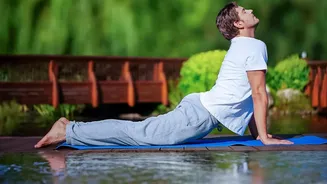
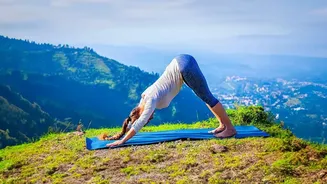
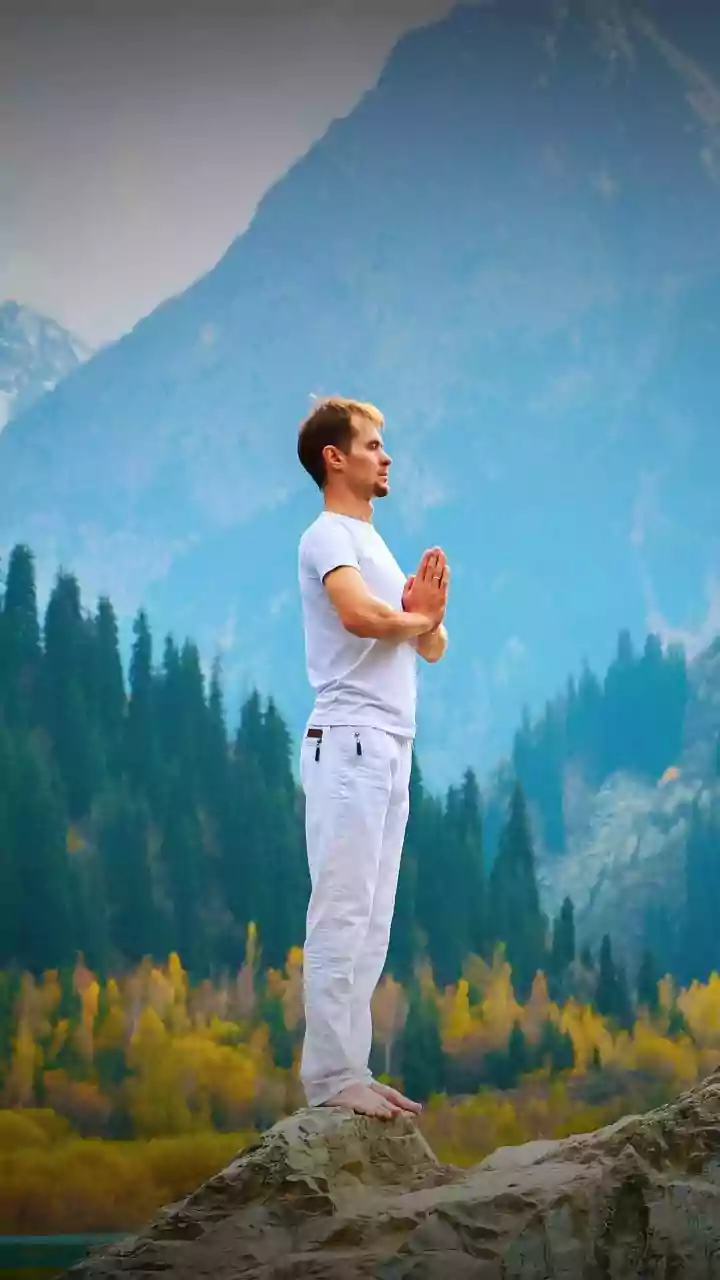
For a morning session, focus on dynamic, flowing movements that build gentle heat and energy. Sun Salutations (Surya Namaskar) are a traditional and ideal way to warm up the entire body. Poses like Cat-Cow help to gently awaken the spine after a night of stillness, while Downward-Facing Dog provides a full-body stretch. Other energising poses include Mountain Pose to ground yourself, Warrior poses to build strength and confidence, and gentle backbends like Cobra to open the chest and counter the effects of sleep. These movements, combined with mindful breathing, can provide a natural energy boost, potentially even reducing the need for that extra cup of coffee.
The Argument for Evening Yoga: Unwind and Restore
An evening yoga session serves a completely different but equally valuable purpose: to help you shed the stresses of the day and prepare for a restful night. Practicing in the evening allows you to consciously create a boundary between your busy day and your period of rest. It's an opportunity to release physical tension from sitting or standing, and to quiet the racing thoughts that can often interfere with sleep. Your muscles are also naturally warmer and more flexible at the end of the day, which can make deeper stretches feel more accessible. Gentle and restorative styles of yoga have been shown to calm the nervous system, which can be particularly beneficial for those dealing with insomnia or anxiety.
Sunset Stretches for Deep Relaxation
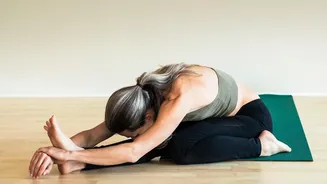
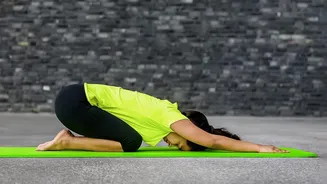
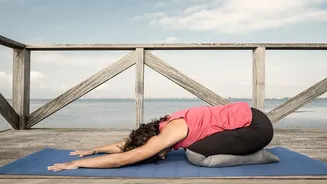
The focus of an evening practice should be on slow, mindful movements and deep relaxation. Styles like Restorative Yoga, Yin Yoga, or a gentle Hatha flow are excellent choices. Poses that promote calm include Child's Pose (Balasana) for a gentle back release, and Legs-Up-The-Wall (Viparita Karani), which is known to soothe the nervous system. Seated Forward Folds and gentle spinal twists can help release tension in the back and hips. Holding these restorative poses for several minutes with the support of props like bolsters and blankets encourages the body to fully relax and let go, signaling to your brain that it's time to prepare for sleep.
Listen to Your Body: The Deciding Factor
Ultimately, there is no single 'best' time to practice yoga. The optimal time is the one that fits your lifestyle, goals, and most importantly, your body's natural rhythm. Your internal biological clock, or circadian rhythm, governs everything from your sleep-wake cycle to your hormone levels, including the stress hormone cortisol. Yoga has been shown to help regulate cortisol levels, which naturally peak in the morning to help you wake up. A morning practice can work with this natural surge, while an evening practice can help lower cortisol to facilitate sleep. The most important thing is consistency. Whether you choose the morning light or the evening calm, creating a regular ritual is what will bring the most profound benefits to your mind and body.