





What Exactly Is the Push-Pull-Legs Split?
The Push-Pull-Legs (PPL) split is a straightforward training method that organises your workouts by movement pattern. Instead of dedicating a day to a single muscle group like the traditional 'bro split' (e.g., Chest Day, Back Day), PPL groups muscles
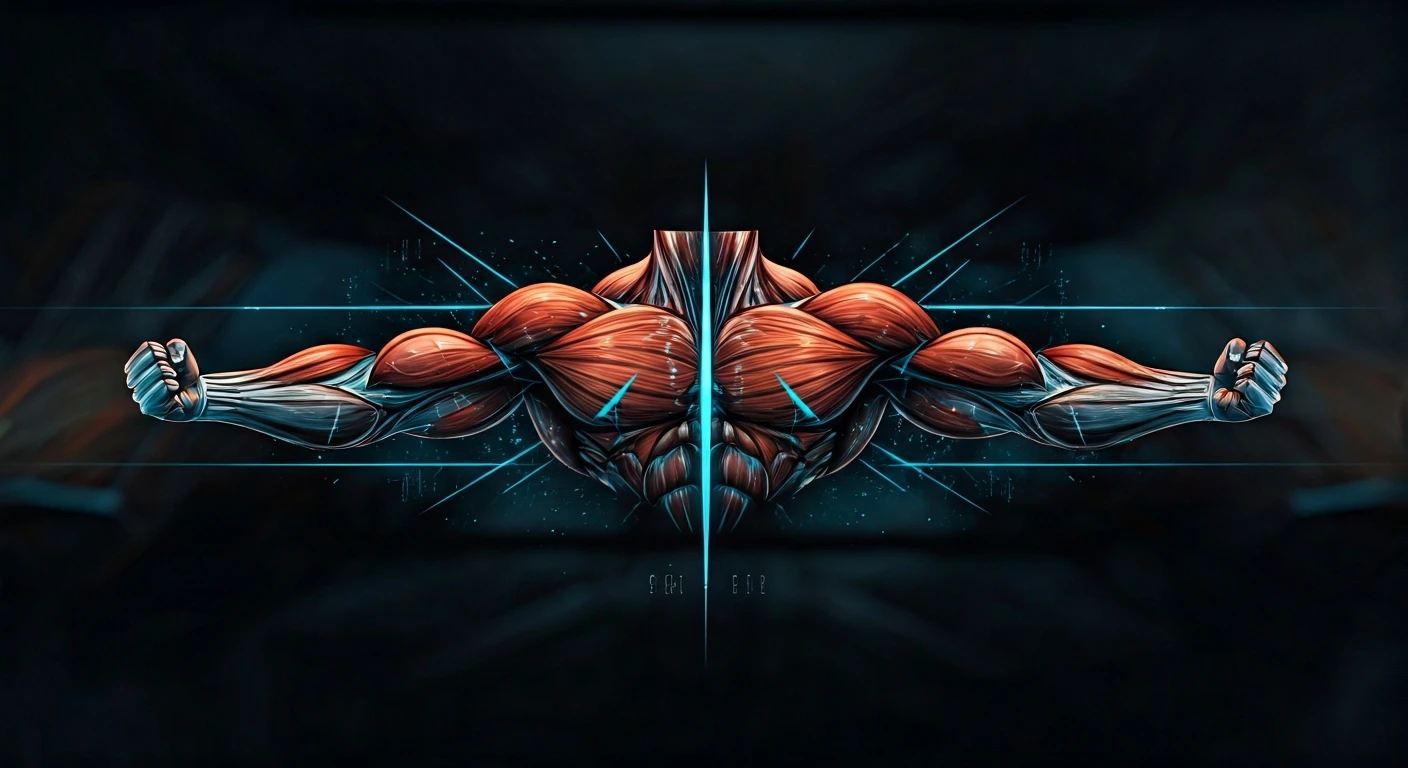
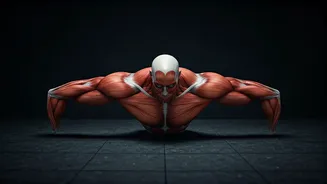
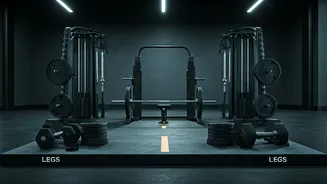
that work together. Here’s the breakdown: * **Push Day:** You train the upper body muscles used for pushing movements. This includes your chest, shoulders, and triceps. Think exercises like bench presses, overhead presses, and tricep dips. * **Pull Day:** This day targets the upper body muscles used for pulling movements. This means your back (lats, traps, lower back) and biceps. Key exercises include pull-ups, rows, and bicep curls. * **Leg Day:** As the name implies, this session is dedicated to your entire lower body—quadriceps, hamstrings, glutes, and calves. Squats, deadlifts, and lunges are staples here.
The Key to Its Popularity: Efficiency and Recovery
One of the biggest reasons for PPL's growing fame is its incredible efficiency. When you perform a bench press on 'Push' day, your shoulders and triceps are already engaged as secondary muscles. Grouping them together makes perfect sense, leading to a synergistic and effective workout. This logical grouping allows each muscle to be trained intensely without being pre-fatigued from a previous day's unrelated workout. The structure also offers optimised recovery time. After a tough Push Day, your chest, shoulders, and triceps get ample rest while you train Pull and Legs. This separation prevents the overtraining of specific muscles, which is crucial for consistent growth and injury prevention. By the time you cycle back to Push Day, those muscles are repaired and ready to go hard again.
Unmatched Flexibility for Every Schedule
Perhaps the PPL split’s greatest advantage is its adaptability. It can be tailored to fit almost any lifestyle or fitness level, which is a huge factor in its widespread adoption. For those new to the gym or with a busy schedule, a 3-day-a-week plan (e.g., Monday: Push, Wednesday: Pull, Friday: Legs) provides a fantastic full-body stimulus with plenty of recovery. This is an excellent way for beginners to build a solid foundation. For more advanced lifters aiming for faster progress, the PPL split can be run twice a week in a 6-day cycle (Push, Pull, Legs, Push, Pull, Legs, Rest). This high-frequency approach allows you to train each muscle group twice a week, which many experts consider optimal for muscle hypertrophy (growth). This flexibility removes common barriers to consistency, making it a sustainable long-term strategy.
Beyond the 'Bro Split': A Smarter Way to Build Muscle
For years, the 'bro split'—training one body part per day—dominated gym culture. While it can work, it often means each muscle group is only trained once per week. Modern training science suggests that hitting muscle groups more frequently can lead to better results. The PPL split perfectly aligns with this principle, especially in a 6-day format, effectively doubling the training frequency for each muscle compared to a typical bro split. This increased frequency doesn't just mean more growth stimulus; it also leads to higher quality workouts. Instead of annihilating a single muscle with excessive volume in one session, PPL spreads the volume out, allowing for better performance and intensity in every workout. It’s a shift from working harder to working smarter.
Is the PPL Split Right for You?
If your goals include building muscle, increasing strength, and having a structured, efficient workout plan, the PPL split is an excellent choice. It’s praised by beginners and experienced bodybuilders alike for its logical structure and proven results. Beginners can start with a 3-day routine to master the fundamental movements and build a strength base. Intermediate and advanced lifters can use 4, 5, or 6-day variations to increase training volume and break through plateaus. Because it’s based on movement patterns, the routine feels intuitive and helps you understand how your muscles work together. If you're looking for a workout plan that is both effective and easy to stick with, the rising popularity of the Push-Pull-Legs split shows it’s a clear winner.