

Gopalkala from Maharashtra
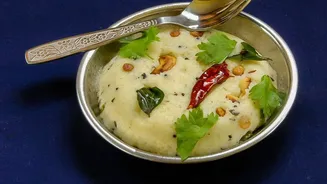
A quintessential part of Maharashtra's Dahi Handi celebrations, Gopalkala is a savoury and cooling prasad that beautifully symbolises Lord Krishna's childhood. It’s a no-cook dish that brings together flattened rice (poha), fresh curd, chopped cucumber,
grated coconut, and sometimes pomegranate seeds or soaked chana dal. The mixture is seasoned with a simple tempering of ghee, cumin seeds, and green chillies. This humble yet flavourful dish is believed to be reminiscent of the meals Krishna shared with his cowherd friends, mixing whatever food they all brought together. It’s light, refreshing, and a perfect representation of community and sharing, central to the festival's spirit.
Taler Bora from West Bengal
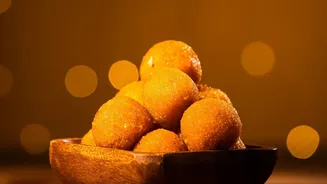
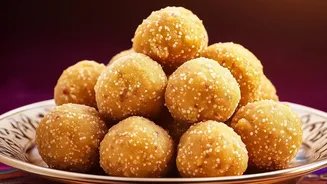
In West Bengal, the arrival of Janmashtami is heralded by the sweet fragrance of Taler Bora. These deep-fried fritters are made from the pulp of the ripe Asian Palmyra Palm (tal), which is in season during this time. The thick, aromatic pulp is mixed with rice flour, semolina, grated coconut, and sweetened with jaggery or sugar before being fried into small, golden-brown balls. Crispy on the outside and soft within, Taler Bora is not just a dish but a piece of Bengali folklore. A popular rhyme describes how Krishna's foster father, Nanda, danced with joy after eating them, a sentiment many Bengalis share when they taste this seasonal delicacy.
Paal Kozhukattai from Tamil Nadu
Down south in Tamil Nadu, Krishna Jayanthi celebrations often feature Paal Kozhukattai, a sweet and creamy dessert. This dish consists of tiny, soft rice flour dumplings that are gently cooked in a luscious mixture of coconut milk, regular milk, and sweetened with jaggery or sugar. The mixture is delicately flavoured with cardamom powder. The beauty of Paal Kozhukattai lies in its comforting texture and rich taste. The rice flour balls are soft and chewy, having absorbed the sweetness of the coconut milk broth. It is a heartwarming offering that showcases the simple, yet profound flavours of South Indian festive cooking.
Dhania Panjiri from North India
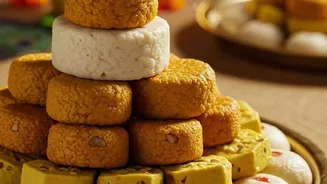
While many have heard of Panjiri, the version made for Janmashtami in states like Punjab and Uttar Pradesh has a unique twist—it uses coriander seed (dhania) powder instead of whole wheat flour. This is because grains are often avoided during fasting. To make this prasad, coriander seed powder is roasted in ghee until it becomes aromatic. This base is then mixed with powdered sugar, a generous amount of nuts like almonds and cashews, and sometimes edible gum (gond). Beyond its spiritual significance as a favourite of Lord Krishna, Dhania Panjiri is valued for its health benefits; coriander is known to be cooling and aids digestion, making it an ideal food to consume after a day of fasting.
Panchadara Chilakalu from Andhra Pradesh
A visually delightful treat from Andhra Pradesh and Telangana, Panchadara Chilakalu are sugar candies shaped like parrots (chilakalu). Made by melting sugar into a thick syrup and pouring it into parrot-shaped wooden moulds, these candies are an iconic part of festival celebrations, including Sankranti and Diwali, and also make an appearance during Janmashtami. The pure white, crystalline parrots are not just sweets but a form of traditional art. They symbolise sweetness and joy, and their unique form is a favourite among children. While simple in ingredients, the process of making them requires skill to get the perfect consistency and shape, making it a cherished festive craft.