



The Symphony of Dawn
The experience begins in the pre-dawn chill, a cool embrace that sharpens the senses. Your journey upwards is a pilgrimage in darkness, the narrow roads winding through sleeping estates. Then, you wait. The first sign isn't light, but sound. A lone bird
calls, then another. A gentle breeze rustles through the tea leaves, carrying the faint, sweet-herbal scent of Camellia sinensis and damp earth. This is not the silence of absence, but a silence full of life, a hushed anticipation. As the eastern sky transitions from inky black to a soft indigo, you feel a sense of stillness that is increasingly rare in our bustling world. It's a moment of pure connection to nature, where the only clock is the slow, majestic rise of the sun.
A Canvas of Living Emerald
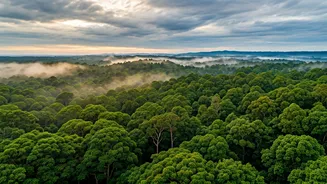
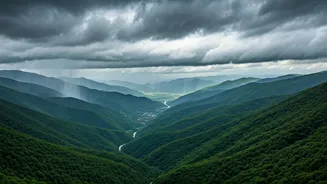
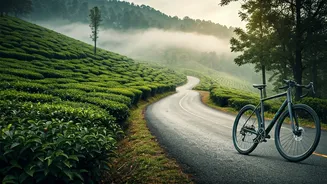
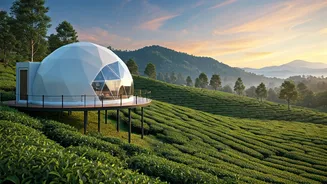
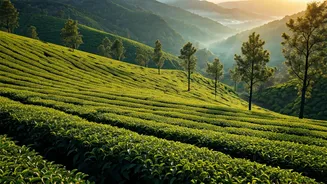
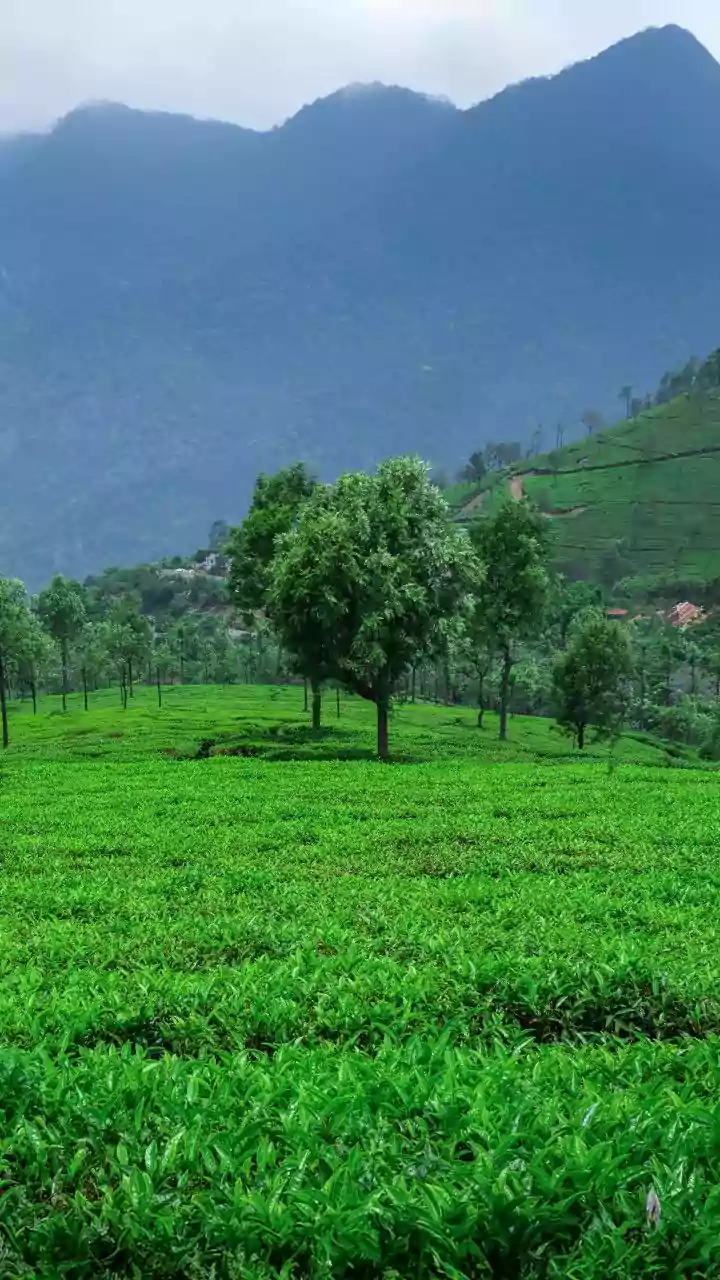
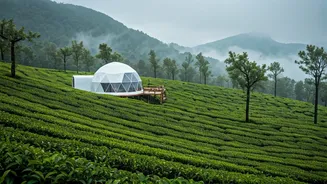
And then, the first rays of light spill over the horizon, kissing the tops of the hills. What was moments ago a landscape of shadows is instantly transformed into a breathtaking panorama of vibrant green. The plantations of Munnar are not a single, monolithic colour. They are a rolling tapestry of emerald, jade, and olive, sculpted into perfectly manicured contours that follow the natural curves of the Western Ghats. The morning light catches the dew on the leaves, making the entire hillside shimmer as if dusted with diamonds. The mist, which had pooled in the valleys overnight, begins to dance and retreat, revealing layer upon layer of hills stretching into the distance. It’s a view that no camera can fully capture; it’s a feeling etched onto the soul.
The Art of the 'Quiet Shoot'
The headline’s mention of “shoots” is a clever double entendre. It refers not only to the tender new tea shoots harvested by hand but also to the photographic shoots that the landscape inspires. For photographers, a Munnar morning is the ultimate canvas. The 'golden hour' after sunrise provides a soft, warm light that accentuates the textures of the tea bushes and creates long, dramatic shadows. To capture the magic, think about composition. Use the neat rows of tea plants as leading lines to draw the viewer’s eye into the frame. Look for a solitary figure of a tea picker to add a sense of scale and human story to the vast landscape. Don’t just shoot the wide vista; get close and capture the details—the intricate patterns of the leaves, a dewdrop clinging to a spider’s web, the weathered hands of a worker. The best shots often come from patience and quiet observation.
Echoes of History in the Hills
This stunning landscape is not entirely a work of nature. It is a century-old collaboration between human toil and the natural environment. The history of Munnar’s plantations dates back to the late 19th century, a legacy of British planters who saw the potential in these rugged hills. Clearing the dense forests and establishing the first tea estates was a monumental task, undertaken with immense effort and persistence. Today, walking through these gardens is to walk through living history. Many of the estates, like those managed by Kanan Devan Hills Plantations (KDHP), have a rich heritage. Understanding this history adds another layer of appreciation for the view. It’s not just a pretty picture; it’s a testament to endurance, cultivation, and the creation of a unique cultural landscape.
Planning Your Own Morning Spectacle
To witness this spectacle yourself, a little planning goes a long way. The best time to visit for clear, misty mornings is during the winter months, from September to March, after the heavy monsoon rains have subsided. An early start is non-negotiable; you need to be at your chosen viewpoint before sunrise. Popular spots like Top Station offer panoramic views, but can get crowded. For a more unique experience, consider a pre-booked jeep safari to Kolukkumalai, the site of the world’s highest organic tea plantation. The journey is bumpy, but the reward is a view that is second to none, often featuring a sea of clouds below you. Dress in layers, as the morning will be cold but will warm up quickly once the sun is up. And most importantly, allow yourself a few moments to simply put the camera down and soak it all in.