


Understanding the Textural Challenge
At their core, chickpeas (or chana) are wonderfully soft and yielding, especially when cooked from dried or straight from a can. They mash easily, absorb flavours readily, and provide a creamy base. Artichoke hearts, on the other hand, are prized for
their firm, slightly fibrous 'bite' and meaty texture. When simply tossed together, the contrast can feel less like a pleasant pairing and more like a culinary clash. The key isn't to eliminate this difference, but to control it. By choosing the right preparation method, you can either heighten the contrast for a more dynamic dish or soften the artichoke to create a more unified, gentle texture.
Method 1: Roasting for a Crispy Contrast
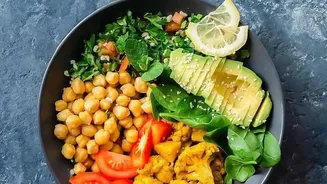
If you love textural variety, this method is for you. Roasting both chickpeas and canned artichoke hearts transforms them. Drain and dry both ingredients thoroughly. Toss them with olive oil, salt, pepper, and your favourite spices—paprika and garlic powder work wonderfully. Spread them on a baking sheet and roast at a high temperature (around 200°C) until the chickpeas are crunchy and the artichokes are browned and crispy at the edges. The result is a dish where the chickpeas become little toasted nuggets and the artichokes develop a firm, chewy exterior. This combination is perfect for adding to salads with fresh greens or serving over quinoa for a warm, texturally exciting meal.
Method 2: Braising for a Tender Union
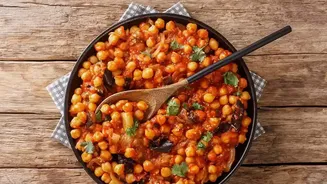
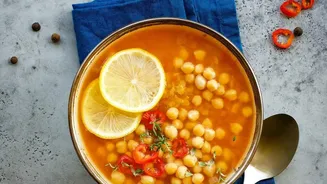
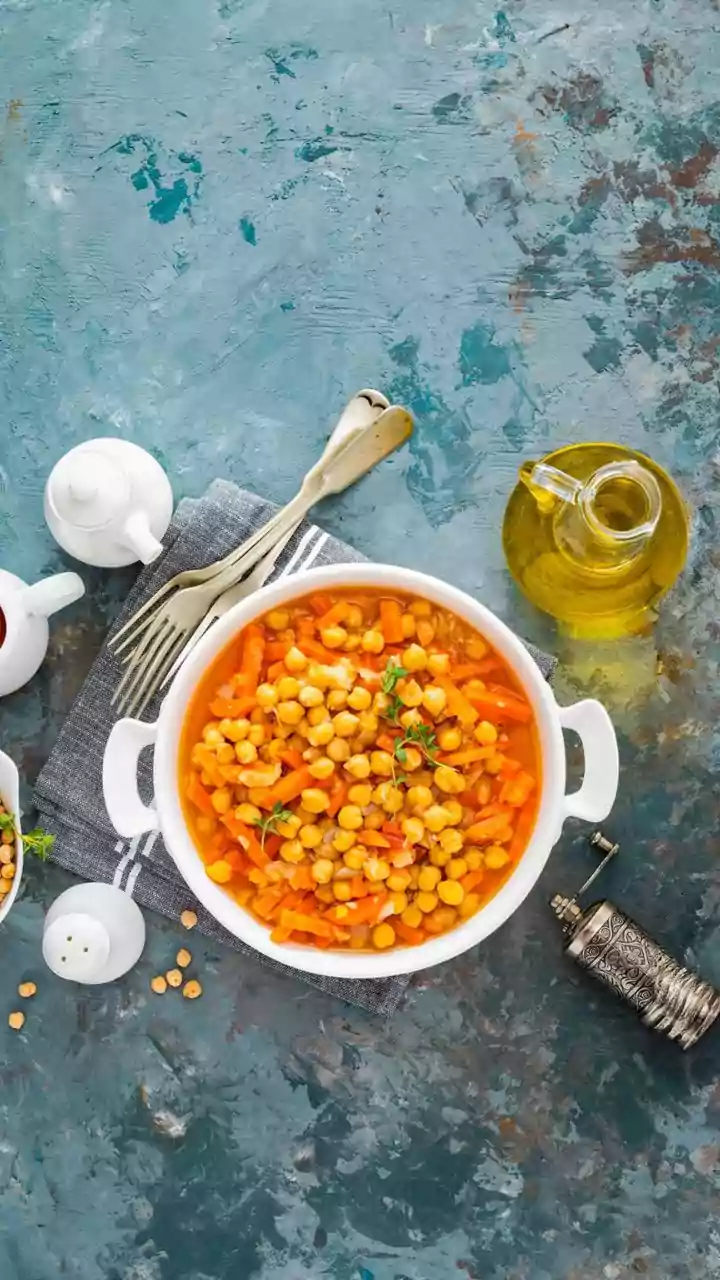
To bring the textures closer together, consider braising or stewing. This technique works especially well with canned or frozen artichoke hearts. By simmering them in a flavourful liquid—such as vegetable broth with onions, garlic, and tomatoes—the artichoke fibres break down, making the hearts incredibly tender. Add the chickpeas towards the end of the cooking process, just long enough for them to heat through and absorb the flavours of the stew. This approach ensures the artichokes become almost as soft as the chickpeas, creating a comforting, harmonious dish. A Chickpea and Artichoke Masala, for example, uses this principle by simmering both in a spiced tomato-onion gravy.
Method 3: Blending into a Creamy Spread
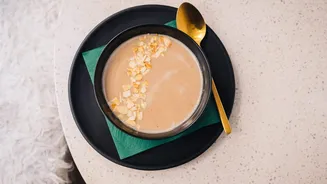
The fastest way to achieve textural harmony is to obliterate the difference entirely by blending. An artichoke hummus is a brilliant twist on the classic dip. Start by making a standard hummus base in a food processor with chickpeas, tahini, lemon juice, and garlic. Once that's smooth, add drained canned artichoke hearts and pulse until they are incorporated. You can pulse a few times for a chunkier dip or blend until completely smooth for a seamless, creamy spread. The briny, slightly tangy flavour of the artichoke cuts through the richness of the tahini, creating a uniquely delicious and perfectly smooth dip to serve with pita bread or fresh vegetables.
Method 4: Mashing and Chopping for Salads
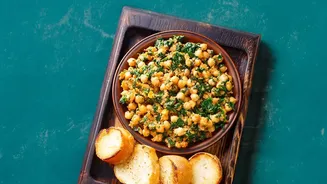
For cold salads, you don't need heat to manage the texture. Instead, it's about size and distribution. Roughly mash about half of your canned chickpeas with a fork. This creates a creamy base that coats the other ingredients. Then, finely chop your marinated or canned artichoke hearts. By dicing the artichoke into smaller pieces, you distribute its firm texture more evenly throughout the salad, so you get a little bit in every bite rather than large, chewy chunks. Toss the mashed chickpeas, whole chickpeas, and chopped artichokes with a simple lemon-dill vinaigrette, red onion, and fresh parsley for a refreshing and balanced chickpea-artichoke salad.