


Panchamrit: The Divine Nectar
Panchamrit, meaning "five nectars," is an essential part of the Janmashtami puja and perhaps the most sacred offering. This uncooked mixture blends five pure ingredients: raw milk, curd (yoghurt), honey, ghee, and sugar. Each element holds significance,
representing purity, prosperity, and sweetness. To prepare it, simply combine one cup of milk, half a cup of fresh curd, one tablespoon of honey, a teaspoon of ghee, and a tablespoon of sugar in a clean bowl. Whisk them together until smooth. Many families also add a few Tulsi leaves, which are considered sacred to Lord Krishna. This divine preparation is used for the ritual bathing of the deity and is later distributed as prasad.
Dhaniya Panjiri: A Janmashtami Speciality
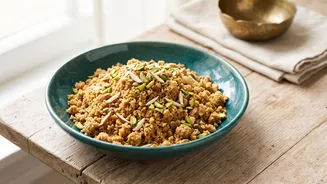
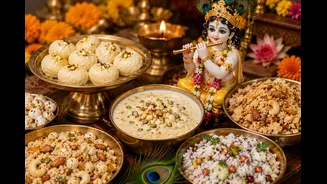
Unlike panjiris made with flour, Dhaniya Panjiri uses roasted coriander seed powder, making it a unique and fragrant offering specifically for Janmashtami. It’s a wholesome and gluten-free dish that is also eaten to break the fast at midnight. To make it, heat a little ghee in a pan and roast coriander powder on a low flame until it turns aromatic and slightly darker. After it cools, mix in powdered sugar, more ghee, and a generous assortment of roasted nuts like chopped almonds, cashews, and grated dry coconut. The result is a Prasad with a delightful, crumbly texture and a warm, earthy flavour.
Makhana Kheer: A Creamy Delight
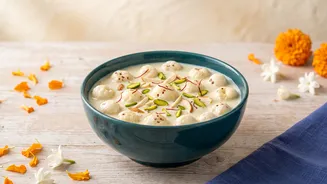
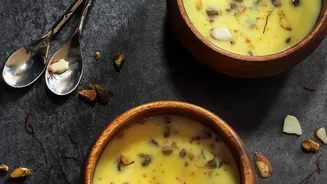
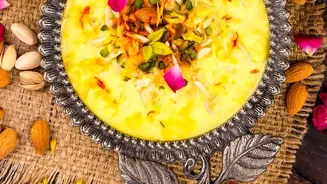
Makhana Kheer, or fox nut pudding, is a light yet creamy dessert perfect for festive occasions. Makhana (fox nuts) are roasted in ghee until they become crisp. A portion of these can be coarsely crushed to help thicken the kheer, while the rest are left whole for texture. The makhana is then simmered in full-fat milk until soft. The kheer is sweetened with sugar and often flavoured with cardamom powder and a few strands of saffron, which lend it a beautiful aroma and a subtle golden hue. Garnished with sliced almonds and pistachios, it’s a comforting sweet that can be served warm or chilled.
Gopalkala: Krishna’s Favourite Savoury Snack
Gopalkala, also known as Dahi Poha, is a simple, no-cook savoury dish believed to be a favourite of Lord Krishna. It is a refreshing mix of poha (flattened rice), yoghurt, chopped cucumber, and grated coconut. To prepare, lightly wash and drain the poha, then mix it with curd, cucumber, and salt. The dish is brought to life with a tempering of ghee, cumin seeds, and finely chopped green chillies. It’s a quick, easy, and flavourful prasad that balances the sweetness of the other bhog items.
Makhan Mishri: The Simplest Offering
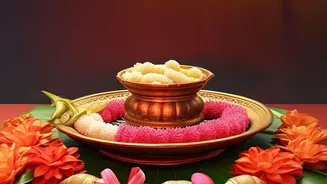
No Janmashtami bhog is complete without Makhan Mishri, an ode to Krishna's famous love for butter as a child, earning him the name 'Makhan Chor' or butter thief. This is the easiest prasad to prepare, requiring no cooking at all. It simply consists of fresh, unsalted white butter (makhan) mixed with mishri (rock sugar crystals). The sweetness of the mishri perfectly complements the creamy butter. Served in a small bowl, this offering is a direct and loving tribute to Bal Gopal's playful nature.
Coconut Ladoo: A Quick and Easy Sweet
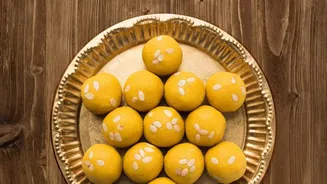
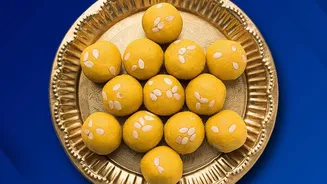
For a quick and delicious sweet that everyone loves, Coconut Ladoos are a perfect choice. These can be made in a few simple steps. The easiest version involves mixing desiccated coconut with condensed milk until it forms a thick, pliable mixture. You can also add a touch of cardamom powder for fragrance. From this mixture, simply roll small portions between your palms to form round ladoos. To finish, roll the ladoos in some dry desiccated coconut for a nice coating and texture. They are a festive treat that adds a wonderful flavour to your bhog thali without requiring much time or effort.