


The Great Beverage Clean-Up
Across India, consumers are taking a closer look at what they drink. There is a growing demand for beverages made with 'real ingredients' and a move away from products high in sugar and artificial additives. This shift towards wellness and clean labels
is transforming the beverage industry, which is responding with innovative, healthier options. The once-dominant, brightly coloured, and intensely sweet iced tea syrups are losing their appeal. Modern drinkers are seeking authenticity and complexity, paving the way for a new wave of natural ingredients that offer both flavour and functional benefits. This trend isn't just about avoiding the bad; it's about embracing the good, with a focus on ingredients that are both delicious and perceived as beneficial.
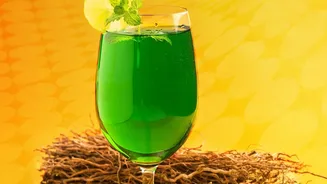
Vetiver: The Scent of Summer Rain
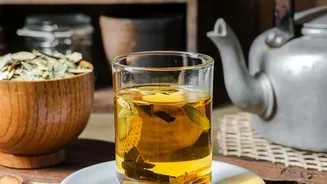
Known traditionally in India as 'khus', vetiver is a fragrant grass with deep roots in the country's culture of summer cooling. For generations, khus syrup has been a staple for making refreshing sharbats. However, many commercial versions rely on artificial green colouring and flavours. Today, artisans and brands are returning to its roots, using the actual vetiver root to create infusions. The flavour is unlike anything else: deeply earthy, woody, and intensely aromatic, often described as the scent of the first rain on dry soil. This complex profile provides a sophisticated, cooling base for an iced tea that is both nostalgic and modern. It offers a calming, restorative experience, a world away from a simple sugary drink.
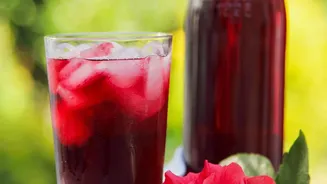
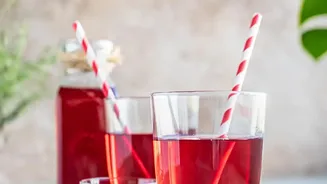
Hibiscus: A Vibrant, Tangy Infusion
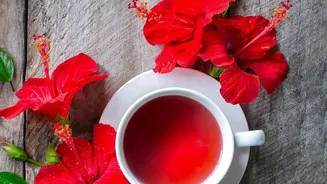
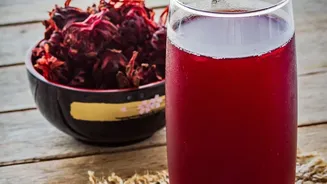
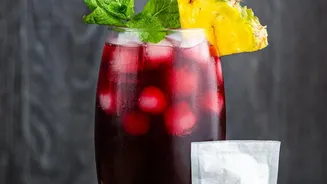
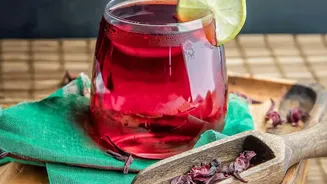
Hibiscus tea is impossible to ignore. Its stunning, ruby-red colour is entirely natural, derived from the dried petals of the hibiscus flower. But its appeal goes far beyond aesthetics. The flavour is bright and tangy, with tart notes reminiscent of cranberry or raspberry, making it a naturally refreshing choice. As consumers look for exciting and healthy options, hibiscus stands out. It's naturally caffeine-free and rich in antioxidants like vitamin C. This makes it a popular choice for health-conscious individuals. Brands have taken note, incorporating hibiscus into ready-to-drink iced teas and tea bags, often pairing it with complementary fruits like raspberry or apple to balance its tartness.
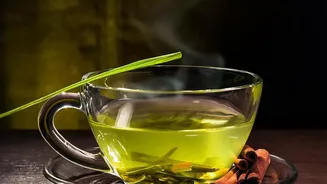
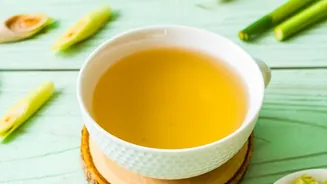
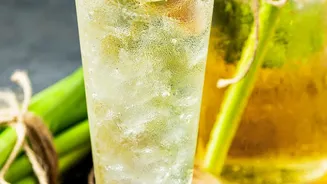
Lemongrass: The Zesty, Aromatic Awakening
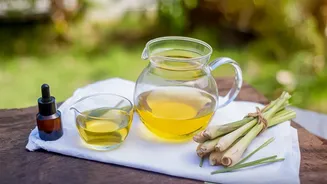
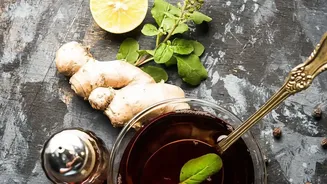
Lemongrass is a familiar flavour in Indian and Southeast Asian cuisine, but its role in cold beverages is a more recent development. Known for its invigorating citrusy aroma and a flavour that is both zesty and slightly sweet, lemongrass adds a crisp, clean finish to iced tea. It has a natural ability to uplift and refresh, making it a perfect antidote to a hot day. Often paired with ginger or mint, lemongrass tea can be brewed hot and then chilled, or cold-brewed for a smoother taste. Its presence in modern iced tea blends speaks to a desire for flavours that are aromatic and multi-layered, providing a sensory experience that artificial syrups cannot replicate.
More Than Just Flavour
The move towards vetiver, hibiscus, and lemongrass is driven by more than just taste. It's part of a broader wellness trend where consumers are seeking functional benefits from their beverages. These botanicals are celebrated in traditional practices for their inherent properties. Vetiver is known for its cooling effect on the body. Hibiscus is packed with antioxidants that can help fight inflammation. Lemongrass is often used to aid digestion and provide a sense of calm. While not medicinal cures, these ingredients lend a halo of health and wellness to the drinks they infuse. They allow consumers to feel good about their choice to indulge in something refreshing, aligning with a more mindful approach to consumption that values natural, beneficial ingredients over empty calories.