







Understanding 'Special' Trains
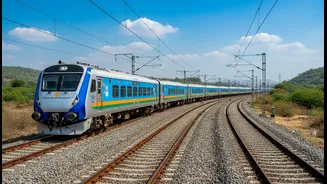
Indian Railways frequently operates 'special trains' to manage extra passenger rush during holidays, festivals, or on high-demand routes. These are not part of the regular, year-round timetable. Instead, they are announced as needed, sometimes just a few
weeks or days before departure. For summer 2026, for example, Indian Railways announced it would operate over 18,000 special train trips to handle the seasonal demand. These services are deployed across all major railway zones to clear waiting lists and provide additional connectivity. Their primary purpose is to add capacity where it's most needed, offering a lifeline for those making last-minute travel plans.
The Real Cost Question
The key question for budget travellers is whether these trains are actually cheaper. The answer is complex. Not all special trains are created equal. Some, known as 'Special Fare' trains, may have fares that are 10-30% higher than equivalent regular trains. Then there are 'Suvidha' trains, which use a dynamic pricing model that can become extremely expensive, sometimes even surpassing airfare for the same route. However, many special trains are run with normal fare structures. The savings opportunity arises because these trains are announced late. Travellers who plan ahead might book a flight or a regular train months in advance, while those with more flexibility can snag a seat on a newly announced special train, potentially avoiding the exorbitant costs of Premium Tatkal or last-minute flight bookings.
How to Find and Book Them
Finding these elusive trains is the most important step. They are booked exclusively through the official IRCTC website or the 'Rail Connect' mobile app. When searching for trains, keep an eye out for services with train numbers starting with '0' or '8', as these often denote special services. You won't find them available 120 days in advance like regular trains. Instead, you should start checking the IRCTC portal about 30 to 60 days before your intended travel date. Since these are announced to clear rush, checking frequently in the weeks leading up to major festivals like Holi, Diwali, or during the summer holiday season from April to July is your best bet. Be prepared to book quickly once they are announced, as seats on popular routes fill up fast.
Know the Potential Downsides
While special trains offer a great alternative, travellers should be aware of a few trade-offs. Firstly, the fares can be inconsistent; a 'special' tag doesn't automatically mean 'cheap'. Some special trains may lack amenities like onboard pantry cars, and they might have less convenient timings or more stops than their regular counterparts. Furthermore, concessions, such as those for senior citizens, are often not applicable on these trains. Also, unlike regular services, booking is often restricted to confirmed and RAC tickets, with no provision for a waitlist in many cases. It's crucial to read the details carefully during booking to understand the fare structure and amenities provided.
Comparing Your Options Smartly
To make the best decision, always compare your options. A last-minute special train might be cheaper than a Premium Tatkal ticket, which follows a dynamic pricing model and is always more expensive. But it might not be cheaper than a regular train ticket booked months in advance. When comparing with flights, factor in the total cost and time. A flight might seem faster, but once you add the travel time to and from the airport, baggage fees, and check-in times, a comfortable overnight train journey can be a more efficient and economical choice. The key is to be a flexible and informed traveller. Check all portals – IRCTC for regular and special trains, and airline websites for flight deals – before making your final payment.