

Finding the Perfect Light
The phrase 'sunny window' is a great start, but mint has its preferences. While it's a resilient herb, it thrives best with about six hours of bright, indirect light per day. An east-facing window that gets gentle morning sun is often perfect. A south-facing
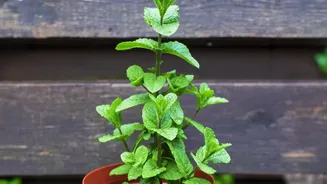
window can also work, but be mindful of intense, direct afternoon sun, which can scorch the leaves. If you notice the stems becoming long and 'leggy' with few leaves, it's a clear sign your plant is stretching for more light. Don't worry if your kitchen isn't flooded with natural light; a simple LED grow light can effectively supplement and keep your mint bushy and productive. Rotate the pot every few days to ensure all sides get even light exposure, preventing the plant from leaning.
The Right Home: Pot and Soil
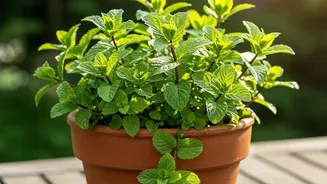
Mint is famously vigorous and known for its tendency to spread aggressively via underground runners called rhizomes. This makes containing it essential, and why growing it in a pot is ideal, especially indoors. Choose a container that is at least 8-10 inches wide to give the roots room to spread out. Depth is less critical than width. Crucially, ensure the pot has excellent drainage holes to prevent water from pooling at the bottom, which can lead to fatal root rot. As for soil, a high-quality, well-draining potting mix is your best bet. Avoid using dense garden soil, which compacts easily and can suffocate the roots. A mix designed for containers, perhaps with added perlite for aeration and a bit of compost for nutrients, creates the perfect balance of moisture retention and drainage that mint loves.
Watering Your Mint Wisely
One of the most common mistakes when growing mint indoors is treating it like a drought-tolerant herb. Mint prefers consistently moist soil, but not soggy conditions. A good rule of thumb is to water thoroughly whenever the top inch of the soil feels dry to the touch. When you do water, allow it to run all the way through the drainage holes, then discard any excess water from the saucer. Letting the pot sit in standing water is a fast track to root problems. How often you need to water will depend on the temperature and humidity in your home, but checking the soil every few days is a good habit to form. Drooping leaves can be a sign of both under-watering and over-watering, so always check the soil's moisture level before adding more water.
Pruning for a Bushier Plant
Regularly harvesting your mint is the secret to keeping it healthy, productive, and compact. Pruning encourages the plant to branch out, creating a fuller, bushier shape instead of growing tall and sparse. Once your plant is established and has several stems, begin snipping. The best place to make a cut is just above a leaf node—the point where a pair of leaves emerges from the stem. This stimulates the plant to send out two new shoots from that node, effectively doubling the foliage. Avoid the common habit of only picking off individual lower leaves, as this can weaken the plant over time. A regular trim of the top growth will provide you with plenty of leaves for your kitchen creations and keep your plant looking its best.
Dealing with Common Pests
Even indoors, your mint plant can occasionally attract unwanted visitors. The most common culprits are small sap-sucking insects like aphids and spider mites. Aphids are small, soft-bodied insects that cluster on new growth, while spider mites are harder to see but often reveal themselves through fine webbing on the undersides of leaves and a stippled, speckled appearance on the leaf surface. For a small infestation, a strong spray of water can often dislodge the pests. If they persist, an insecticidal soap suitable for edible plants is an effective and safe treatment. Regularly inspecting your plant, especially the undersides of leaves, can help you catch any problems early before they become widespread.