








The Search for Something Real
There’s a quiet revolution happening in the travel world. For decades, the pinnacle of luxury was defined by opulent hotels, exclusive services, and a sense of removal from the everyday. But today's traveller is looking for something different. They are
increasingly bypassing predictable, five-star chains in favour of experiences that offer a genuine connection to a place and its people. This shift is driven by a hunger for authenticity in a world that can often feel commercialised and impersonal. Travellers, particularly younger generations like Gen Z and millennials, see travel less as a break from life and more as a vital part of it—a tool for personal growth, learning, and connection. They are less interested in collecting things and more focused on collecting meaningful memories, from unfiltered sunsets to laughter-filled nights shared over local food.
What 'Local Flavour' Actually Means
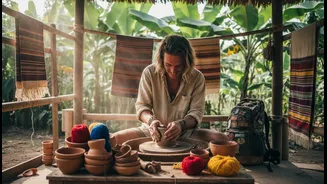
So, what does this new travel currency look like? It’s less about extravagance and more about engagement. Think of swapping a hotel’s Michelin-starred restaurant for a cooking class in a local family's kitchen in Kerala. It’s choosing a heritage homestay in Rajasthan over a global hotel brand, where the host shares stories and hidden gems not found in any guidebook. This trend, often called experiential travel, is about deep immersion. It involves activities like guided tours with neighbourhood experts, visiting artisan workshops, exploring bustling local markets, and supporting small, family-run businesses that form the true fabric of a community. The goal is no longer to be a passive tourist observing from a distance, but an active participant in the culture of a destination.
The Indian Traveller's New Compass
This global trend has found a powerful resonance in India, where the domestic travel market is booming. Indian travellers are increasingly exploring their own country with a newfound sense of purpose. The experiential travel market in India is projected to reach an impressive $45 billion by 2027, driven largely by young people aged 18 to 35. This generation is prioritising meaningful travel over material savings, leading to the explosive growth of homestays, culinary tourism, and offbeat adventures. From the backwaters of Kerala to the mountains of Himachal Pradesh, there is a surge in demand for accommodations and tours that offer a genuine slice of local life. A survey found that 73% of Indian travellers prefer stays that offer a connection to the local community, signalling a major shift in priorities.
From Amenities to Authentic Moments
The travel industry is taking note of this fundamental change. Smart hotels and travel companies are realizing that adding more amenities no longer guarantees guest satisfaction. Instead, they are finding ways to integrate local culture into their offerings. This might mean designing hotels with local art and materials, offering farm-to-table dining experiences that showcase regional produce, or partnering with local experts to offer unique workshops and tours. The understanding is clear: luxury is no longer just about comfort and service. The new luxury is about access—access to unique experiences, meaningful connections, and personal transformation that can't be mass-produced. The most memorable trips are now defined by their emotional impact, not by their price tag.