





What Exactly Is a Moka Pot?
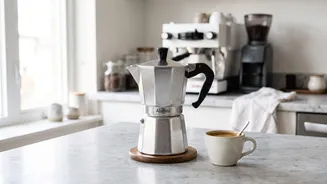
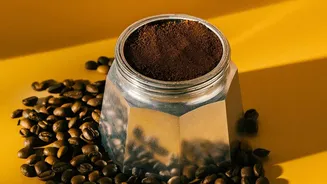
Invented by Alfonso Bialetti in Italy in 1933, the Moka pot is a stovetop coffee maker celebrated for its iconic octagonal design and simplicity. It consists of three main parts: a bottom chamber for water, a funnel-shaped filter basket for ground coffee,
and a top chamber where the brewed coffee collects. When placed on a stove, the water in the bottom chamber heats up, creating steam. This steam builds pressure, forcing the hot water up through the coffee grounds and into the upper chamber. The result is a strong, concentrated coffee, brewed in just a few minutes. It's a design so iconic it's featured in design and science museums worldwide.
The 'Espresso-Style' Distinction
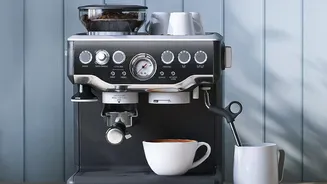
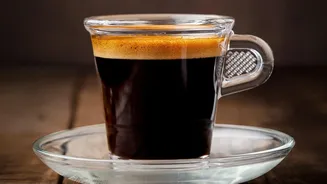
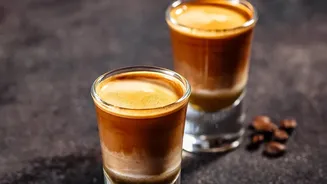
While often called a 'stovetop espresso maker', it's important to know that Moka pot coffee is not true espresso. The main difference is pressure. A professional espresso machine uses around 9 bars of pressure to force water through finely-ground coffee, creating a thick, syrupy shot with a signature layer of golden foam called crema. A Moka pot, by contrast, generates only about 1 to 2 bars of steam pressure. This lower pressure produces a rich, full-bodied coffee that's two to three times stronger than drip coffee, but it lacks the dense texture and stable crema of a true espresso shot. Think of it as its own unique category: a deeply robust, powerful brew that stands proudly on its own.
Moka Pot vs. Drip Coffee Maker
Your standard automatic drip coffee maker is built for convenience and volume. It uses gravity to let hot water slowly seep through coffee grounds in a paper filter, producing a lighter, cleaner cup. This method is great for highlighting the delicate, fruity, or floral notes of single-origin beans. A Moka pot is the opposite; it's all about intensity. The pressure extraction creates a heavier, bolder coffee with a syrupy mouthfeel that stands up well to milk and sugar. If you prefer a milder, larger cup that you can set and forget, the drip machine wins. If you want a hands-on ritual that yields a concentrated, punchy brew, the Moka pot is your go-to.
Moka Pot vs. French Press
The French press, another manual favourite, uses immersion. Coarsely ground coffee steeps in hot water for several minutes before a mesh plunger separates the grounds from the liquid. This method produces a full-bodied, aromatic coffee that retains more of the beans' oils, but can sometimes have a silty texture at the bottom of the cup. A Moka pot brew is cleaner in texture but more intense in flavour. The French press is more forgiving for beginners and better suited for brewing larger quantities of sippable black coffee. The Moka pot excels at creating a small, powerful shot that's perfect as a base for lattes and cappuccinos.
Tips for the Perfect Brew
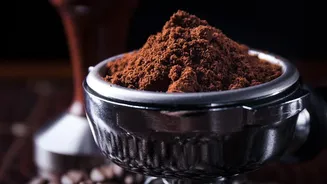
Mastering the Moka pot is simple with a few key tips. First, use a medium-fine grind—finer than for drip, but coarser than for espresso. Don't tamp or pack the coffee down in the filter basket; just level it off gently. For a smoother, less bitter taste, start by filling the bottom chamber with pre-heated water. Place the pot on a medium-low heat and listen. As soon as you hear a gurgling sound, the brew is done. Remove it from the heat immediately to prevent the coffee from tasting burnt. A final stir in the top chamber before pouring will ensure a balanced flavour in every cup.