




The Misconception of Inactivity
Let's clear this up: slow travel is not about wasting precious vacation days by being idle. The confusion is understandable. In contrast to 'mass tourism', which often involves rushing between landmarks to tick them off a list, slow travel rejects the checklist
mentality. It pushes back against the idea that a trip's success is measured by how many things you see or do. Instead of racing through three cities in a week, a slow traveler might spend all seven days exploring just one. This deliberate choice to do less, but more deeply, can be misinterpreted as a lack of ambition or, worse, a form of doing nothing at all. But it’s a conscious mindset shift, not a passive one.
What It Really Means to Travel Slowly
At its heart, slow travel is about connection. It's an intentional approach that prioritizes quality of experience over quantity. Rather than seeing a place through a bus window, it's about immersing yourself in it. Think of it as choosing to truly read one great book instead of just skimming the summaries of ten. The goal is to understand a destination's rhythm, culture, and people on a more meaningful level. This philosophy emerged from the 'Slow Food' movement in Italy, sharing its emphasis on savouring the experience, supporting local communities, and appreciating authenticity over commercial convenience.
An Active Pursuit of Connection
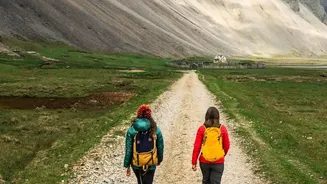
So, what do slow travelers actually do? Far from sitting around, they engage with their surroundings in a more deliberate way. This might mean spending a whole afternoon in a local café to people-watch, rather than rushing off to the next attraction. It could involve taking a local cooking class, trying to learn a few phrases of the language, or shopping at a neighbourhood market for groceries to cook your own meals. By using public transport or simply walking, they see the city as it is, not just its tourist-facing facade. A conversation with a shopkeeper might lead to a recommendation for a hidden gem not found in any guidebook. These are all active, engaging pursuits that foster a deeper connection and create more lasting memories.
Depth Over Breadth, Quality Over Quantity
The core principle is choosing depth over breadth. Slow travel allows for spontaneity and the unexpected discoveries that are often missed when rushing. You leave room in your itinerary for the unplanned walk that leads to a beautiful park or the local festival you didn't know was happening. This approach doesn't mean you have to be on a trip for months at a time, although the rise of remote work has made longer stays more accessible for some. Even on a short break, you can apply the slow travel mindset by choosing to explore one neighbourhood thoroughly instead of trying to see an entire sprawling metropolis. The focus is on creating a balanced itinerary that eliminates the stress of rushing.
The Surprising Benefits of a Slower Pace
Choosing to travel slowly comes with a host of benefits. For one, it's far less stressful. Many people return from vacation feeling like they need another one to recover. A slower pace reduces travel burnout and allows time to actually relax and recharge. It’s also often more budget-friendly, as staying in one place longer can lead to better deals on accommodation and lower transportation costs. Furthermore, slow travel is a more sustainable choice. It often involves using transportation with a lower carbon footprint, like trains or bikes, and directly supports local economies by frequenting small businesses instead of just tourist hubs.