



The Unforgiving Lunar Night
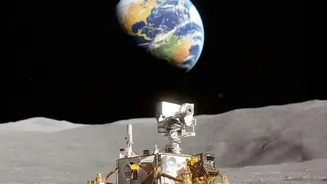
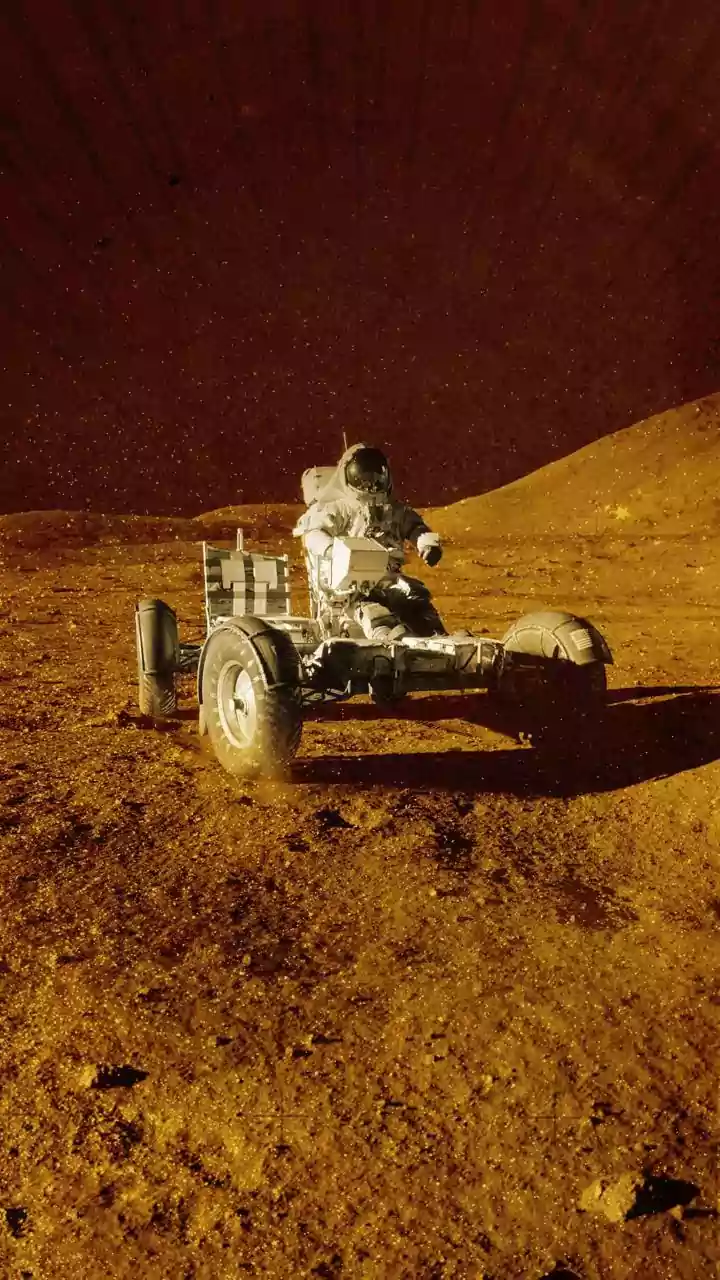
The Moon's day-night cycle is vastly different from Earth's. A lunar night lasts for about 14 Earth days, and without an atmosphere to retain heat, the surface temperature can drop below -200 degrees Celsius (-328 degrees Fahrenheit). For robotic landers
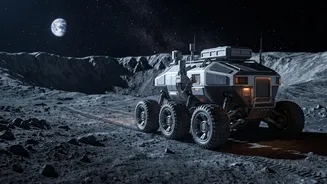
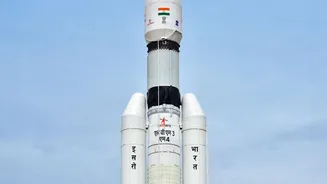
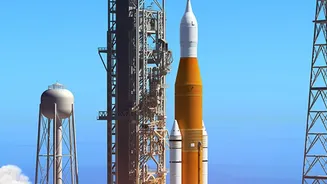
and rovers, this is a death sentence. Batteries lose their ability to hold a charge, circuits can fracture, and lubricants can freeze solid. Historically, most lunar missions, including India's Chandrayaan-3 lander, were designed to operate for only a single lunar day before succumbing to the cold. Surviving the night was simply not an option. This limitation is a major roadblock to establishing a long-term presence on the Moon, a key goal for programs like NASA's Artemis.
The Classic Solution: Radioactive Warmth
For decades, the go-to solution for deep space missions has been the Radioisotope Heater Unit, or RHU. These are small, simple devices that contain a few grams of a radioactive material, like plutonium-238. As the material naturally decays, it releases a steady stream of heat, keeping nearby components warm. This method is entirely passive, requiring no solar power or complex machinery. However, RHUs have their drawbacks. The materials are scarce, expensive, and come with logistical and political challenges. As commercial companies and more nations aim for the Moon, there's a growing need for alternative, more accessible technologies to solve the lunar night problem.
A New Era of Nuclear Heaters
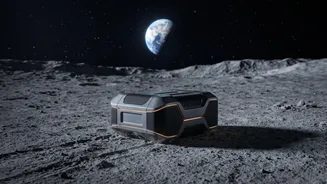
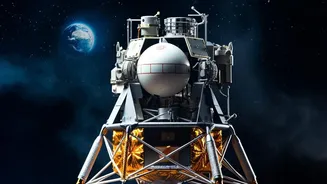
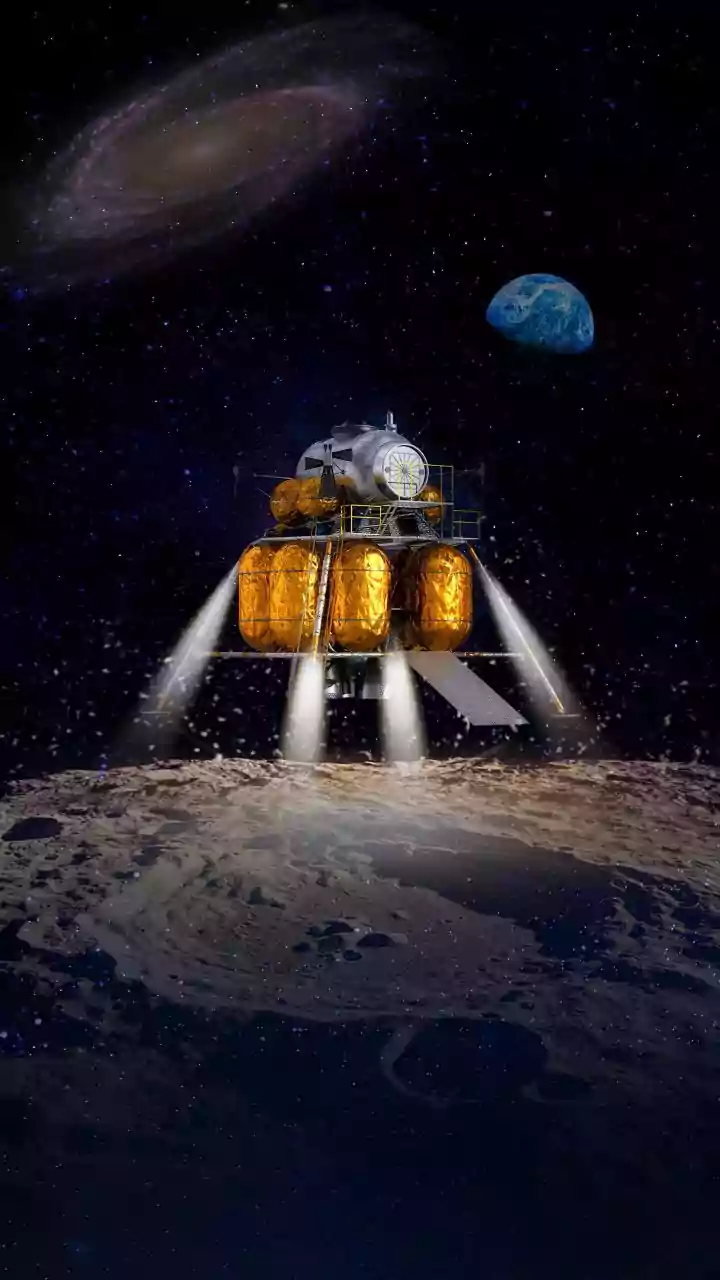
One of the most promising new approaches involves updating the classic RHU concept. Companies like Zeno Power are developing next-generation heaters that use different radioisotopes, such as americium-241. In a recent partnership announced in August 2026, Zeno will fly its “Survive-the-Night” package on a Firefly Aerospace Blue Ghost lander. This mission, scheduled for no earlier than 2028, will demonstrate how a lightweight, compact nuclear heater can keep critical systems operational through the intense cold. The goal is to prove that these technologies can support not just robotic missions, but future lunar infrastructure and even a sustained Moon Base.
Chemical and Electrical Innovations
Beyond radioactive sources, engineers are exploring other clever heating methods. One concept involves using chemical reactions. The NITE system, developed by Masten Space Systems, uses leftover oxidizer from a lander's propulsion system to generate heat through a controlled chemical reaction. This approach is potentially much cheaper and lighter than battery-powered systems. Other companies, like FLEXOO, are developing thin, flexible heating mats called PTC (Positive Temperature Coefficient) heaters. These can be integrated directly into a rover's structure to provide targeted warmth with minimal energy use, helping to preserve precious battery life during the long darkness.
Unlocking a Permanent Lunar Presence
The ability to survive the lunar night is more than just a technical achievement; it's the key to unlocking the next chapter of lunar exploration. This technology enables long-duration science missions, allowing instruments to gather data over months or years instead of just two weeks. It's essential for the infrastructure needed for a permanent base, including power grids, habitats, and resource extraction equipment. By solving this fundamental challenge, space agencies and private companies can shift from short, temporary visits to establishing a sustained and productive human and robotic presence on the Moon. These self-heating modules and the thermal systems they support are the unsung heroes making that future possible.