






1. A Palette Pulled from the Earth
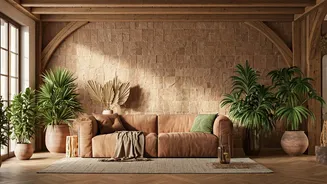
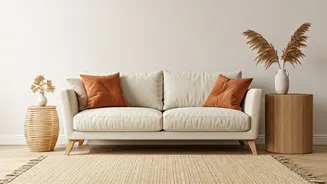
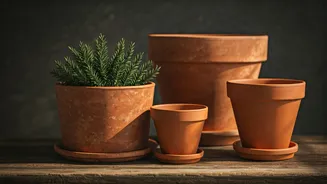
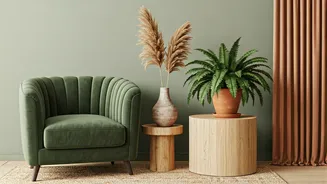
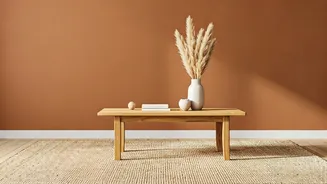
Forget stark whites and bold, saturated colours. The foundation of organic style is a palette inspired directly by nature. Think of the warm, soothing tones of a sun-drenched landscape: creamy whites, soft beiges, earthy terracotta, muted greens like
sage and olive, and rich browns. These colours create an immediate sense of calm and grounding. They don't shout for attention; they create a serene backdrop that allows textures and forms to shine. This neutral base is versatile, making it easy to layer other elements without the space feeling chaotic. It’s about creating a cohesive, tranquil environment that feels both sophisticated and deeply relaxing.
2. The Embrace of Natural Materials
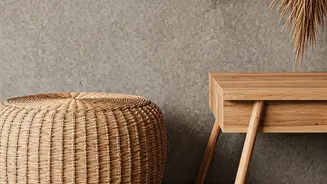
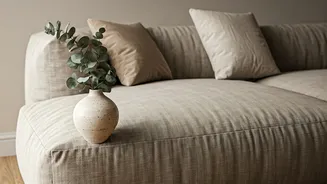
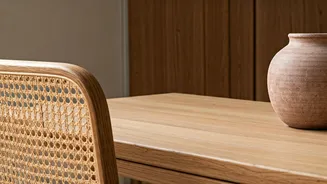
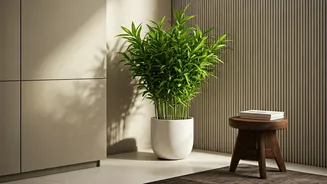
At its heart, organic style is a celebration of texture and raw, honest materials. This is where the design comes alive. Smooth, polished surfaces are replaced with tactile ones that engage the senses. Think furniture made from light-toned woods like oak and ash, or rustic reclaimed timber. Textiles are key: undyed linen curtains, chunky-knit woollen throws, cotton cushions, and jute or sisal rugs that feel wonderful underfoot. Rattan and cane, long beloved in Indian homes, fit perfectly here, appearing in chairs, cabinets, and light fixtures. Even decor items favour natural sources, such as ceramic vases, stone coasters, and marble trays. These materials bring an inherent warmth and authenticity that manufactured products simply cannot replicate.
3. Soft Edges and Curved Silhouettes
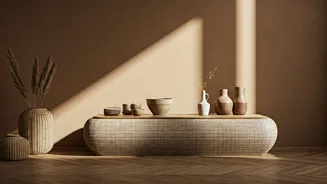
While traditional modernism often favoured sharp angles and rigid geometric lines, organic style softens the edges. Furniture and architectural details now feature gentle curves and rounded forms. This can be seen in kidney-bean-shaped coffee tables, sofas with soft, enveloping contours, and arched doorways or mirrors. These shapes are inherently more welcoming and promote a sense of flow within a room, guiding the eye smoothly from one area to another. The lack of hard corners creates a space that feels safer, more comfortable, and more 'human'. This move towards curves is a direct response to a desire for comfort and cocooning in our personal spaces.
4. Bringing the Outdoors In, Intentionally
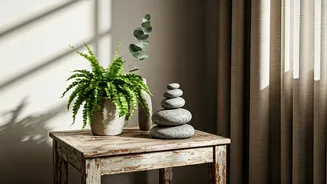
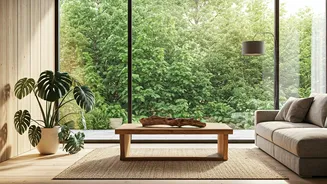
This goes beyond simply placing a pot plant in a corner. Organic style integrates principles of biophilic design, which is the practice of connecting people and nature within our built environments. This means maximising natural light with sheer, breezy curtains. It involves a thoughtful curation of indoor plants—from a large Fiddle Leaf Fig making a statement to delicate trailing Pothos on a shelf. The goal is to create moments of connection with the natural world. This could also mean arranging furniture to face a window with a garden view or using botanical prints in artwork. This connection to living things is proven to reduce stress and improve our overall sense of well-being.
5. The Beauty of Imperfection
Organic style finds beauty in the imperfect, drawing inspiration from the Japanese philosophy of Wabi-Sabi. It celebrates items that are not mass-produced or flawlessly symmetrical. This could be a hand-thrown ceramic mug with a slightly uneven glaze, a wooden bowl that highlights the natural grain and knots, or a handwoven textile with minor variations in the pattern. This approach adds character and soul to a home. It shifts the focus from a 'perfect' showroom look to a space that feels lived-in, personal, and authentic. Each piece tells a story, whether of its natural origin or the artisan who crafted it, creating a home that is unique to you.