



What Makes the Harvest Moon Special?
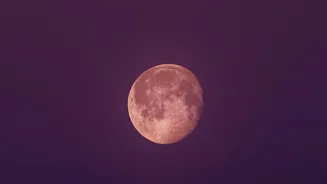
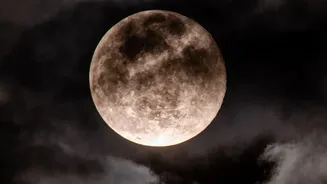
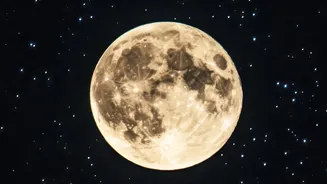
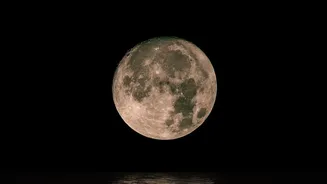
The Harvest Moon is the name given to the full moon that occurs closest to the autumnal equinox, which marks the beginning of autumn in the Northern Hemisphere. This year, the equinox falls on September 22, making the full moon on September 26 the official
Harvest Moon. Historically, its bright light was crucial for farmers, allowing them to continue harvesting their crops late into the evening. While we now have electricity, the name serves as a reminder of our long-standing connection to the lunar cycle. The moon will appear full for a few nights around its peak, giving you a wider window to enjoy the view. The full moon will be in the constellation of Pisces.
When and How to Watch in India
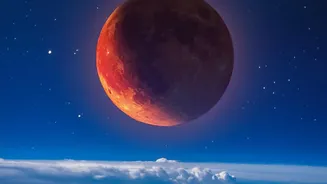
For stargazers in India, the Harvest Moon will reach its peak illumination at 10:19 PM IST on Saturday, September 26. This timing is ideal, as the moon will be high in the sky for most of the country during the night. The best time to catch the most dramatic view is just after sunset, as the moon rises on the eastern horizon. At this time, it might appear larger and take on a stunning yellow or orange hue due to an atmospheric effect known as Rayleigh scattering. You don't need any special equipment; the Harvest Moon is a spectacular sight for the naked eye. The key is to find a location with a clear view of the eastern horizon.
A Celestial Party: What Else to See
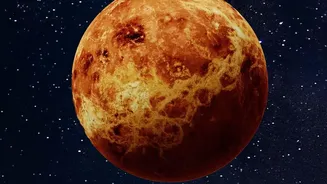
The Moon won't be the only object putting on a show. The planet Saturn will be a brilliant, star-like companion, appearing close to the lunar disk shortly after moonrise. While it's easily visible with the naked eye, a small telescope will reveal its famous rings. Early risers on the mornings around this date will also be treated to the sight of two other planets, Mars and Jupiter. Venus will also be a dazzling object in the evening sky throughout September, reaching its greatest brightness around September 18. For those with binoculars or a telescope, the planet Neptune will also be near the Moon, though it will be too faint to see without aid.
Tips for the Perfect Stargazing Night
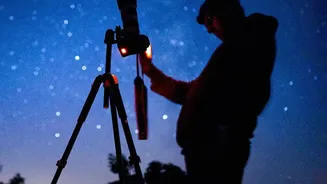
To make the most of the Harvest Moon, try to get away from bright city lights. Light pollution can wash out the sky, obscuring not just fainter stars but also the brilliance of the moon itself. Head to a park, a rooftop with an unobstructed view, or a location on the outskirts of your town. Allow your eyes about 20 to 30 minutes to adapt to the darkness; avoid looking at your phone screen, as the white light can reset your night vision. If you need a light, use a red-light torch or cover a regular flashlight with red cellophane. While no equipment is necessary, a pair of binoculars can enhance your view of the lunar surface and help you spot Saturn's moons.
The Autumn Moon in Indian Tradition
While the name 'Harvest Moon' has western origins, the full moon in the autumn season holds deep significance across India. It is a time often associated with clarity, beauty, and celebration. In many Hindu traditions, the autumn full moon, or Sharad Purnima, which typically falls around this time of year, is considered auspicious. It marks the end of the monsoon and is celebrated with special rituals, including the preparation of kheer (rice pudding) which is left under the moonlight. This particular full moon on September 26 also marks the beginning of Pitru Paksha in 2026, a period dedicated to honouring ancestors.