







Making Invisible Spending Visible
The primary power of a budgeting app is its ability to make your financial habits tangible. When every coffee, cab ride, and online purchase is just a quick digital transaction, it's easy to lose a sense of accumulated spending. These apps solve this
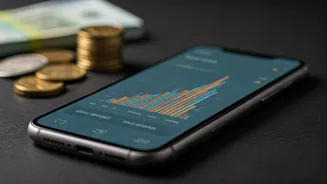
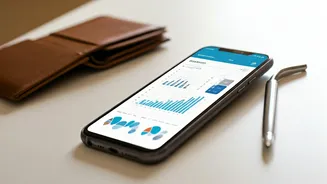
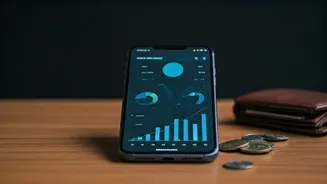
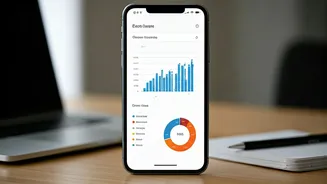
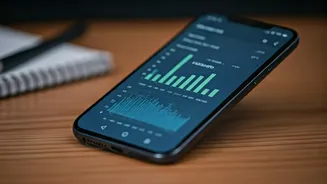
by automatically tracking and categorizing each expense, often by reading bank and UPI transaction alerts. Instead of a vague feeling that you've spent too much, you get a clear, visual breakdown of your money in categories like 'Food', 'Shopping', or 'Transport'. This instant feedback loop is crucial; seeing the numbers in black and white provides the financial awareness needed to make conscious spending decisions rather than relying on guesswork.
Key Features That Drive Discipline
Beyond simple tracking, the most effective apps offer features designed to build financial discipline. Bill reminders help you avoid late fees, a common and unnecessary drain on finances. The ability to set custom monthly budgets for different categories—and receive alerts when you're nearing your limit—acts as a digital nudge to curb overspending. Many also incorporate goal-setting tools, allowing you to create specific savings targets for things like a vacation, a new gadget, or an emergency fund. Watching your progress towards these goals can be a powerful motivator to stay on track. Some apps even gamify savings by using visual charts and progress bars, turning a chore into a more engaging activity.
Choosing the Right App for You
The best budgeting app is the one you will consistently use. Your choice depends on your personality and financial style. For those who want maximum convenience, apps like Walnut (now Axio) and Money View offer automated tracking by reading SMS alerts, which is ideal for the high volume of UPI transactions in India. This method avoids the need to link bank accounts directly. For users who prefer a more hands-on, disciplined approach, apps like Goodbudget use the 'envelope' method, where you manually allocate funds to different virtual spending envelopes. If you're also focused on growing your wealth, platforms like ET Money integrate expense tracking with investment tools. The key is to decide whether you prefer automatic convenience or manual control.
A Tool, Not a Magic Wand
It's important to remember that a budgeting app is just a tool. It can reveal your financial behaviour, but it cannot change it for you. The real work lies in using the insights provided by the app to build sustainable habits. Relying too heavily on the app without actively engaging with your budget can lead to a passive approach to your finances. The goal isn't just to track spending, but to understand it and make deliberate choices. An app might show that you're overspending on takeaways, but only you can make the decision to cook at home more often. Success ultimately comes from the user's commitment to acting on the information the app provides.
What About Privacy and Security?
Handing over financial data to a third-party application is a valid concern for many. When choosing an app, it's crucial to understand how it accesses your data. Many popular Indian apps read transactional SMS messages, which avoids sharing your bank login credentials directly. Others use secure data aggregators to link to your bank accounts, which typically provides read-only access, meaning the app cannot move your money. Before downloading, always read the privacy policy to understand what data is being collected and how it is used. Opt for reputable apps with strong security measures like encryption to safeguard your information. If you are highly privacy-conscious, a manual-entry app or even a simple spreadsheet might be a better fit.