






Start with the Essentials: Passport and Visa
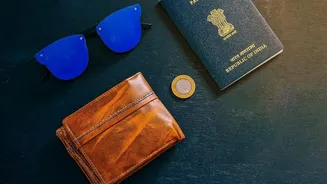
Before you even think about destinations, look at your passport. Most countries require it to be valid for at least six months from your planned date of return. It should also have a minimum of two blank pages. If you don't have one, apply immediately,
as the process can take several weeks. Next, research visa requirements. For a first trip, consider destinations that are visa-free for Indians or offer a visa-on-arrival or e-visa. As of 2026, countries like Thailand, Malaysia, Mauritius, and many others are popular, beginner-friendly options. Choosing a location with a simple visa process removes a significant source of stress. Always check the latest rules on the official embassy or government websites before making any bookings.
Create a Realistic Budget
Your budget will determine your destination, trip duration, and travel style. Don't just estimate; break down the costs. Account for flights, accommodation, visa fees, local transport, food, activities, and travel insurance. It’s also wise to add a 10-15% buffer for unexpected expenses. As a rough guide for a week-long trip, Southeast Asian destinations like Thailand or Vietnam could cost between ₹50,000 and ₹80,000. A trip to Dubai might range from ₹70,000 to ₹1,00,000, while a budget European holiday would start at around ₹1,50,000. Once you have a target, you can create a monthly savings plan to make it happen. Saving ₹5,000–₹7,000 a month for about a year can comfortably fund a trip to Southeast Asia.
Book Your Flights and Stays Smartly
Flights are often the biggest expense, so timing is everything. Booking 6 to 10 weeks in advance usually hits the sweet spot for the best prices. Travelling midweek is often cheaper than on weekends. Be flexible with your dates by a few days if you can, and compare prices across different airlines and booking platforms. When booking accommodation, consider the location. Staying centrally might cost more upfront but can save you time and money on transport. Read recent reviews and check the hotel's proximity to public transport. For a first trip, pre-booking at least your first few nights' stay can significantly reduce arrival anxiety.
Manage Your Money and Documents
Managing money abroad requires a mix-and-match approach. It’s best not to rely on a single payment method. A combination of a prepaid forex card, some cash in the local currency, and your credit/debit card is a safe bet. A forex card often offers better exchange rates than using your domestic card directly. Carry enough local cash for immediate expenses like a taxi from the airport or a quick meal. Before you leave, inform your bank of your travel dates to prevent them from blocking your cards. Keep digital and physical copies of all important documents: passport, visa, flight tickets, hotel confirmations, and travel insurance. Store them in a secure cloud drive and also have printouts in your luggage.
The Final Countdown: Packing and Pre-Trip Checks
Pack light, but smart. Roll your clothes to save space and prevent wrinkles. Pack according to the weather and cultural norms of your destination; for example, some religious sites require modest clothing. Your carry-on bag should contain all your essentials: documents, medication, a charger, a change of clothes, and your valuables. Don’t forget a universal travel adapter. A week before your trip, reconfirm all your bookings and check your flight status. Weigh your luggage to ensure it’s within the airline's allowance. Finally, arrange your transport to the airport, and make sure you get there at least three hours before an international departure.