
More Than Just Material
In New Delhi, an exhibition titled 'Worlds Within Cloth: New Orders of Woven Making' is currently challenging our everyday perception of fabric. Hosted at the National Crafts Museum & Hastkala Academy, the show, inaugurated by the Ministry of Textiles,
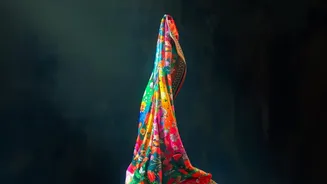
brings together contemporary artists, designers, and craft collectives. Its purpose is not merely to display beautiful objects, but to present cloth as a medium of knowledge, cultural memory, and powerful creative expression. Through immersive installations and research-driven works, the exhibition delves into the social and historical context of textile-making, pushing visitors to look beyond the surface and appreciate the intricate worlds woven into every piece. It serves as a timely curtain-raiser to the 12th National Handloom Day, reminding us of the living traditions at the heart of this art form.
The Language of the Loom
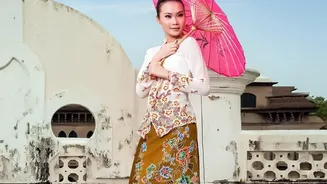
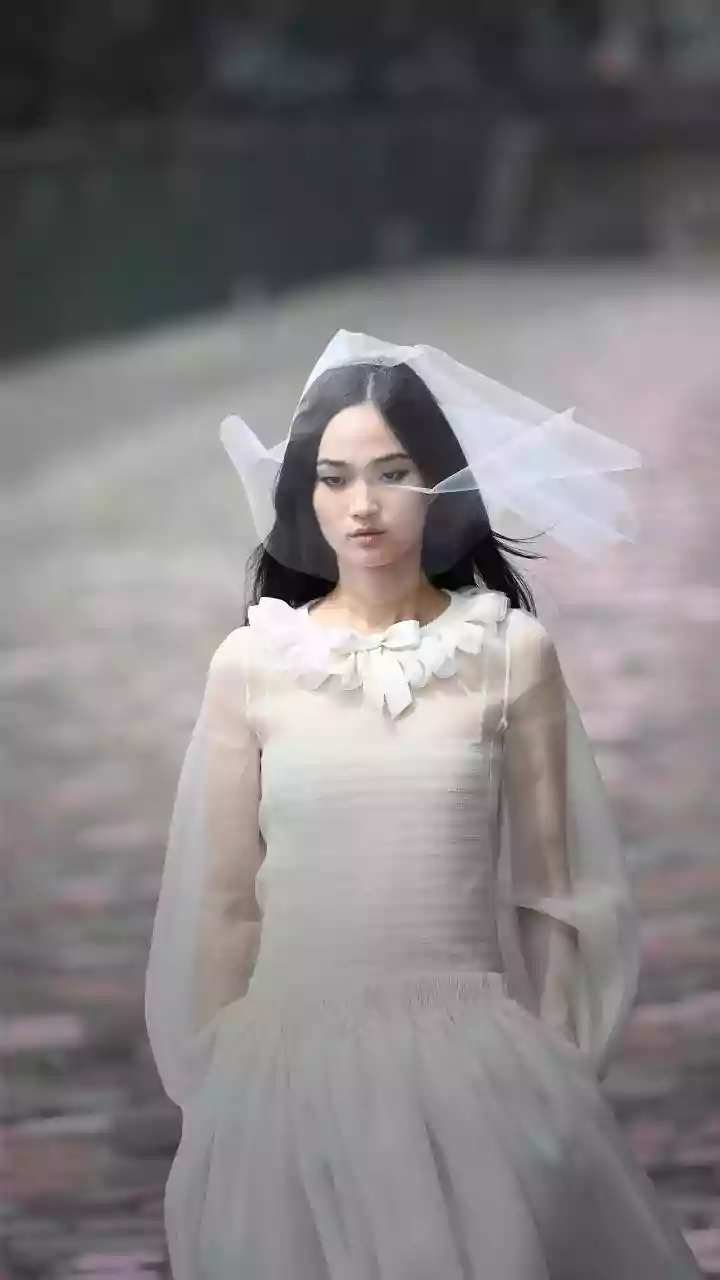
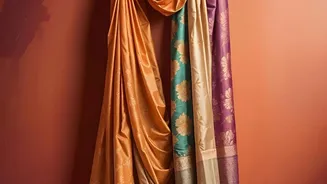
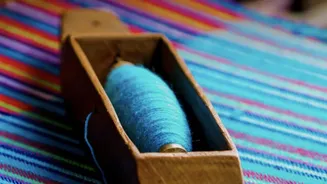
What makes cloth such a potent medium? Its power lies in its versatility and its deep connection to human history. Fabric is the foundation upon which design is built; it dictates a garment's silhouette, drape, and feel. But its role extends far beyond function. Artists and designers featured in 'Worlds Within Cloth', such as Abraham & Thakore, Chanakya School, and Shrujan, demonstrate how textiles can be a canvas for storytelling. The choice of thread, the type of weave, the patterns used—these are all elements of a distinct visual language. This language can convey anything from personal identity and community histories to complex social commentaries. In India, where textile traditions are ancient and profoundly diverse, this language is particularly rich, with every region boasting its own unique dialect of patterns, techniques, and motifs.
Blurring Art and Craft
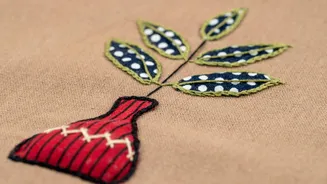
For centuries, a stubborn line has been drawn between 'art' (painting, sculpture) and 'craft' (weaving, embroidery). Exhibitions like 'Worlds Within Cloth' work to erase this outdated and unhelpful distinction. The event explicitly aims to highlight the intersection of traditional craftsmanship and contemporary artistic practice. By showcasing artist-artisan collaborations, it celebrates the evolving relationship with India's living handloom traditions. Contemporary artists are increasingly turning to textiles, drawn by the medium's tactile nature and its capacity for carrying meaning. Figures like the late Mrinalini Mukherjee, who used jute and hemp to create monumental, organic sculptures, pioneered a new way of seeing fibre not as a craft material, but as a formidable medium for ambitious art. This new wave of creators continues that legacy, using fabric to explore everything from identity to sustainability.
A Universal Connection
Ultimately, the message of the exhibition resonates far beyond the gallery walls. It encourages a deeper appreciation for an object that is integral to our lives. From the swaddling clothes of our birth to the heirlooms passed down through generations, textiles are woven into the very fabric of our personal and collective memories. Understanding cloth as a design medium enriches our relationship with the world around us. It prompts us to consider the hands that made our clothes, the history behind a specific pattern, and the artistry inherent in a well-constructed garment. It is a call to look at the familiar with fresh eyes and recognize the creativity and cultural significance embedded in the threads that connect us all. The exhibition is a celebration of these connections, showing that fabric is not just something we use, but something we live within.