





From Textbooks to Touchdown
For many students, science is a series of abstract concepts confined to classroom walls. They learn about gravity, thermodynamics, and signal processing as isolated topics. A trip to a space centre dissolves these boundaries. At facilities like the Vikram
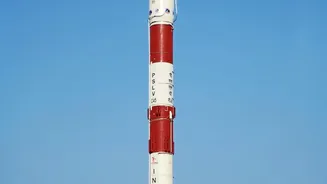
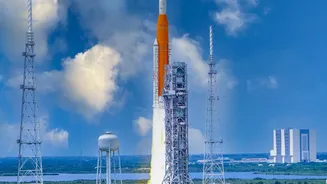
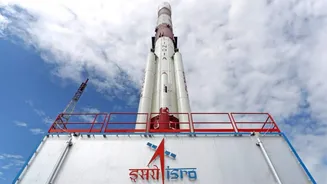
Sarabhai Space Centre (VSSC) in Thiruvananthapuram or the Satish Dhawan Space Centre (SDSC) in Sriharikota, these principles are on full display. Suddenly, a student can connect the dots between Newton's laws and the trajectory of a Polar Satellite Launch Vehicle (PSLV) model towering before them. This kind of hands-on, experiential learning is incredibly powerful. Research shows that episodic memory—learning tied to a physical experience—is retained far longer than information absorbed passively from a book. Seeing the intricate designs of satellites or the massive structure of a launch pad makes the world of science tangible and, more importantly, achievable.
The Power of Seeing Is Believing
One of the most profound impacts of visiting a space centre is its ability to demystify careers in science and engineering. For a young person, particularly from a rural or non-metropolitan background, a scientist or an aerospace engineer can seem like an abstract figure. Walking through the halls of an ISRO facility, seeing the mission control rooms, and looking at displays of satellites built in India by Indian scientists makes these careers feel real and accessible. The experience signals that these monumental achievements are not just for people in other countries; they are happening right here, and they could be a part of it. This direct exposure is a powerful antidote to the intimidation that often surrounds STEM fields. It transforms a distant dream into a concrete goal, providing a visible career path that many students might never have considered otherwise.
ISRO’s Commitment to Outreach
The Indian Space Research Organisation (ISRO) actively encourages this spark of curiosity through a wide range of outreach activities. Many of its major centres host space exhibitions that are open to visitors, featuring detailed models and interactive displays covering India's space history and future missions. ISRO organises specific programmes for students, such as the YUva VIgyani KAryakram (YUVIKA) or "Young Scientist Programme," which aims to impart basic knowledge of space science to school children, especially from rural areas. The government has also dedicated significant funds towards student-focused outreach and established Space Technology Incubation Centres across the country to foster collaboration between universities and ISRO scientists. During events like World Space Week, centres like VSSC hold extensive education and outreach events. These initiatives are designed to "catch them young" and build a strong talent pipeline for India's growing space economy.
Building India’s Future Innovators
The push to inspire the next generation is more than just a feel-good exercise; it's a national imperative. As India continues to solidify its position as a global space power, the need for a skilled STEM workforce is paramount. Every student who walks out of a space museum with their eyes wide with wonder is a potential innovator, an engineer who might design the next generation of launch vehicles, or a scientist who could lead a future mission to another planet. These visits do more than just educate; they inspire a sense of national pride and ambition. By engaging students with the real-world applications of their studies, these centres are not just showcasing past achievements but actively building the country's future capacity for innovation. They provide the critical link between classroom learning and the exciting possibilities that a career in science and technology holds.