


The Lithium Bottleneck
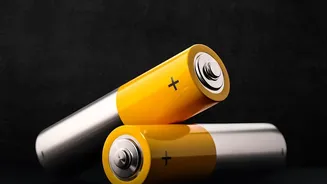
For years, the electric vehicle revolution has been powered by lithium-ion batteries. They are energy-dense and relatively efficient, making them ideal for everything from smartphones to electric cars. However, this reliance comes at a cost. The core
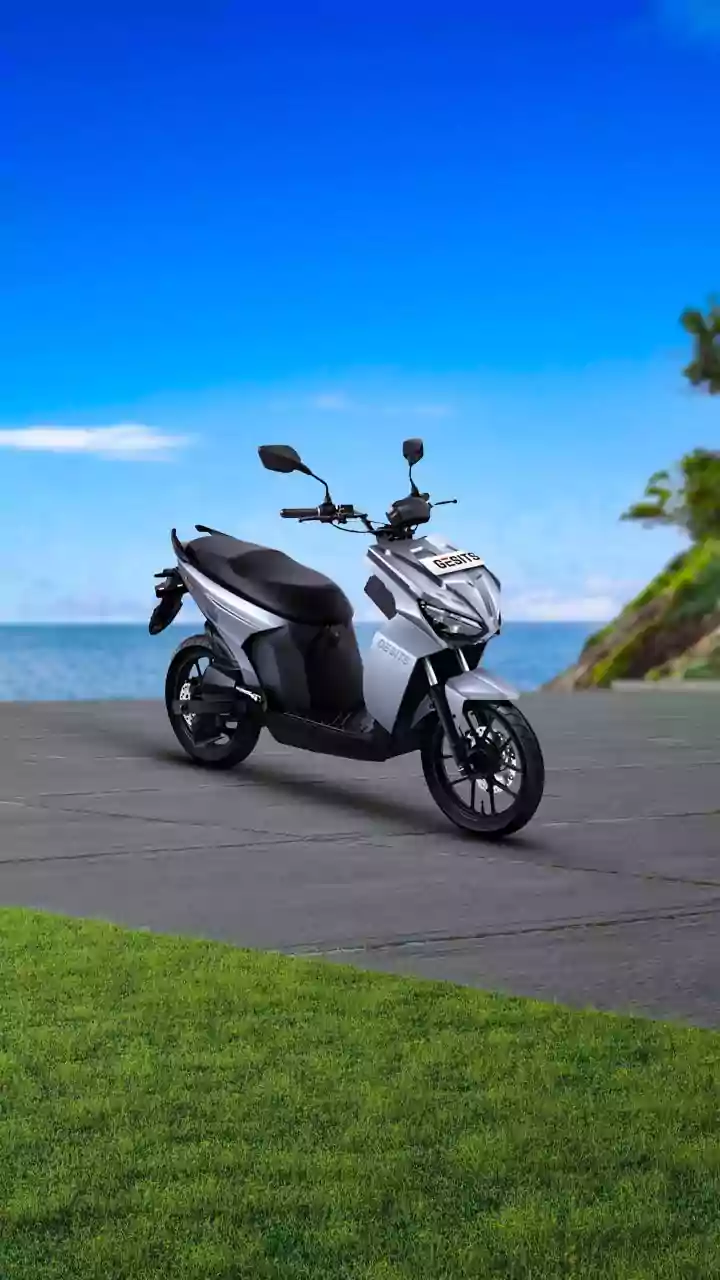
materials, particularly lithium and cobalt, are rare, geographically concentrated, and expensive to mine. This creates supply chain vulnerabilities and keeps the final price of EVs high, especially for the cost-sensitive two-wheeler market which dominates Indian roads. The battery alone can account for 40-50% of an electric scooter's total cost, making any reduction in battery price a massive lever for affordability.
Enter the Sodium-Ion Battery
This is where sodium-ion technology comes in. As the name suggests, these batteries use sodium ions as their charge carriers. The primary raw material needed is sodium, which can be sourced from abundant and inexpensive common salt. This fundamental difference in material sourcing is the main driver behind the promise of lower costs. Unlike lithium, which is mined in only a few countries, sodium is one of the most abundant elements on Earth, ensuring a more stable and geographically diverse supply chain. This significantly reduces geopolitical risks and the price volatility associated with lithium. Indian companies and researchers are making significant strides in this area, viewing it as a path to greater energy security and self-reliance.
More Than Just a Cheaper Price Tag
The advantages of sodium-ion batteries extend beyond just cost. They are inherently safer, with a much lower risk of thermal runaway and fire compared to some lithium-ion chemistries. They can also be fully discharged to zero volts for transport and storage, a risky move for lithium-ion packs. Perhaps most critically for the Indian market, sodium-ion batteries demonstrate superior performance in a wider range of temperatures, both hot and cold. While lithium-ion performance can degrade in extreme heat, sodium-ion cells maintain their stability, a crucial feature for a vehicle that will spend its life under the Indian sun. Furthermore, many developers report faster charging times and a long cycle life, with some prototypes retaining 80% capacity even after 3,000 to 6,000 cycles.
Indian Players Leading the Charge
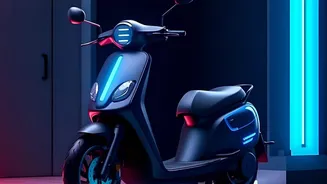
This isn't just a global trend; Indian companies are at the forefront of this shift. Reliance Industries acquired UK-based sodium-ion pioneer Faradion and is fast-tracking the commercialisation of the technology for its upcoming giga-factory in Jamnagar. The company sees sodium-ion as ideal for stationary storage and two-wheeler applications. Simultaneously, Pune-based software and mobility firm KPIT Technologies developed its own indigenous sodium-ion battery technology, which it has now transferred to Trentar Energy Solutions for commercial manufacturing. Other players, like Nashik-based Jitendra New EV Tech, are also planning to launch electric two-wheelers powered by sodium-ion batteries within the next year or two.
When Can We Expect Them on the Road?
While the technology is advancing rapidly, mass-market availability is not immediate, but it is on the horizon. According to government officials, Indian sodium-ion battery tech has reached a high level of maturity, or 'Technology Readiness Level 7,' meaning a prototype has been successfully demonstrated in a real-world environment. This typically means commercial production could be just two to three years away. The initial rollout will likely be in smaller vehicles like two-wheelers and some three-wheelers, where the slightly lower energy density of sodium-ion compared to high-end lithium-ion batteries is less of a concern. As manufacturing scales up, the cost benefits will become more pronounced, directly impacting showroom prices.