



The Kharif Crop Connection
The Southwest monsoon, which brings nearly 75% of India's annual rainfall, is the lifeblood for its agriculture, with about half of the country's farmland being rain-fed. It's especially critical for 'kharif' or monsoon crops, which are sown from June
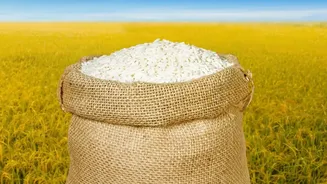
to July and harvested in autumn. These include staples that form the bedrock of India's food security: rice, maize, soybean, cotton, and various pulses like tur (arhar) and moong. A timely and well-distributed monsoon ensures proper sowing, healthy crop growth, and a bountiful harvest, which helps keep supplies steady and prices in check.
Not Just How Much, But When and Where
A 'good' monsoon isn't just about the total volume of rain. The timing of its arrival and its distribution across the country are just as important. A delayed monsoon, as has been a concern in 2026, can shrink the sowing window for farmers, leading to lower acreage for key crops. Conversely, erratic rainfall patterns, where some regions get flooded while others face prolonged dry spells, can be equally damaging. One or two days of very heavy rain cannot make up for weeks of deficiency, as it doesn't adequately restore the soil moisture needed for crops to thrive.
When Rain Becomes a Problem
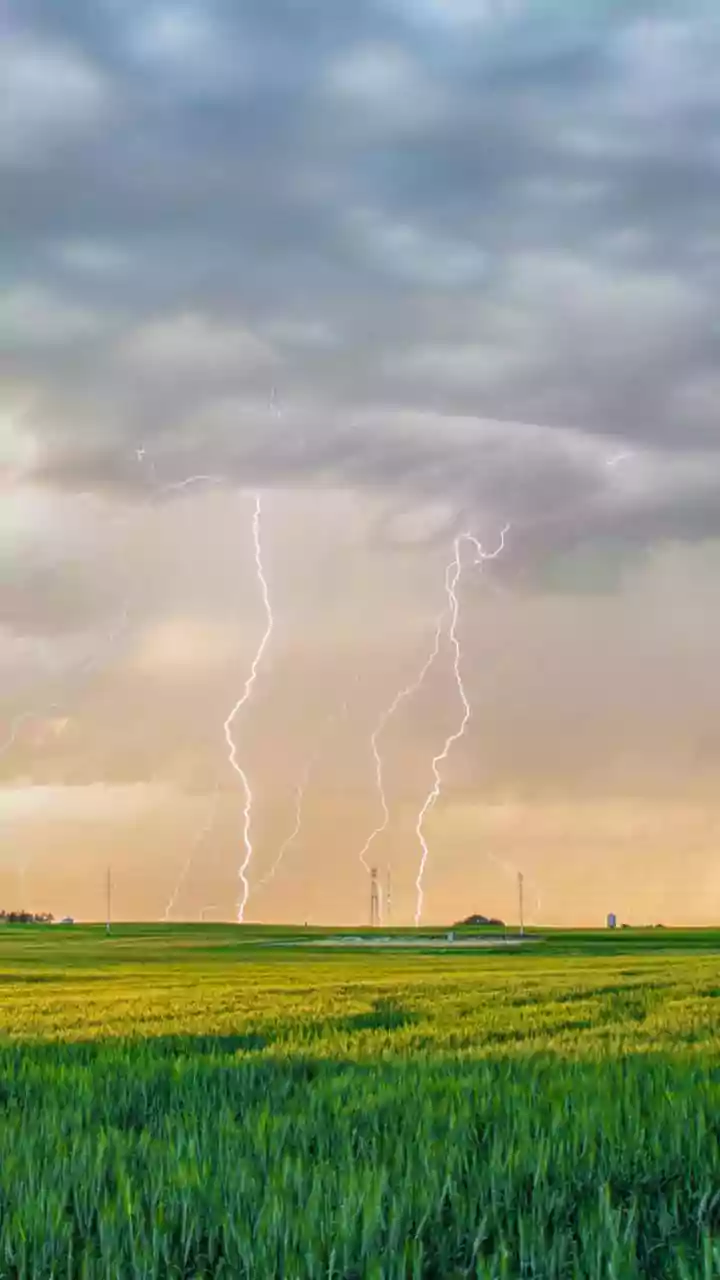
While a lack of rain leads to drought, excessive rain can be just as destructive. Heavy downpours and flooding can destroy standing crops, waterlogging fields and leading to diseases like onion rot or tomato blight. This was seen in July 2026, when heavy rains in some parts of the country disrupted the supply of perishables like coriander, causing prices to spike. This double-edged sword means that both deficient and excessive rainfall can lead to the same outcome: lower crop yields and reduced availability of produce in the market.
The Ripple Effect from Farm to Your Plate
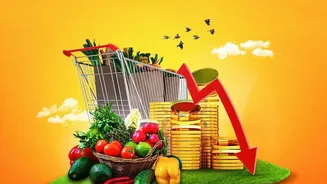
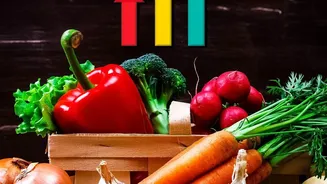
The basic laws of economics dictate what happens next. When crop output falls, whether due to poor or excessive rain, supply shrinks. With demand remaining constant, prices for essential commodities begin to climb. This is often seen first with perishable items like vegetables. The prices of tomatoes, onions, ginger, and leafy greens can shoot up almost overnight because they cannot be stored for long and are immediately affected by supply disruptions. Over a few months, the impact may also be felt in the prices of staples like pulses and edible oils if the kharif harvest is poor.
The Last Mile: Transport and Logistics
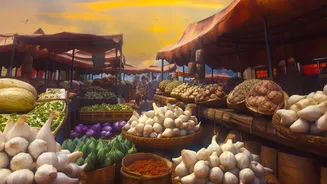
The monsoon's impact isn't limited to the farm. Heavy rains and flooding can wash away roads, damage bridges, and disrupt transport networks. This makes it difficult and more expensive to move produce from rural farmlands to the urban 'mandis' or wholesale markets. These logistical bottlenecks create further shortages in cities and add to the final cost you pay at your local grocer. Sometimes, large quantities of perishable goods are even damaged in transit due to excess moisture or delays, further tightening supply.
Government's Role in a Rainy Market
The government is not a silent spectator in this. It employs several measures to cushion the impact of a volatile monsoon on food prices. These can include releasing food grains from buffer stocks, adjusting import and export policies for commodities like pulses and edible oils to balance domestic supply, and setting Minimum Support Prices (MSPs) to ensure farmers a baseline income. However, the effectiveness of these measures can be limited in the face of severe, widespread weather disruptions. Even with these interventions, recent data from July 2026 showed a rise in food inflation, with items like ginger, garlic, and onions becoming significantly costlier.