



The New Corner Office
The traditional nine-to-five workday confined to a sterile office is fading into memory for a growing segment of India's urban professionals. In its place, a more flexible, independent, and mobile work culture is taking root, and nowhere is this more visible
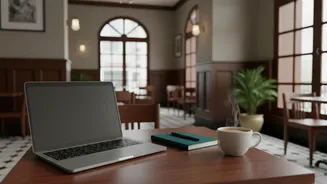
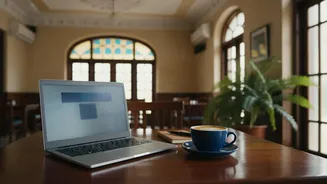
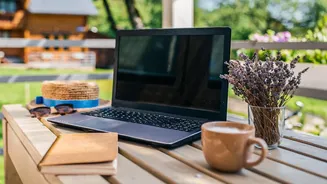
than in the cafés of Kolkata. Propelled by the global shift towards remote and hybrid work models, freelancers, entrepreneurs, and employees alike are seeking out 'third places'—environments separate from home and the corporate office. Cafés, with their ambient noise, steady supply of caffeine, and accessible amenities, have become the de facto headquarters for this digital workforce. This trend is not just about convenience; it's a response to the monotony and isolation that can accompany working from home, offering a refreshing change of scenery that boosts both mood and productivity.
A Mutually Beneficial Brew
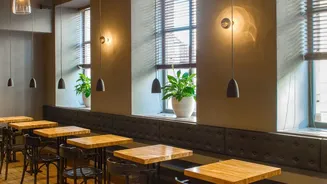
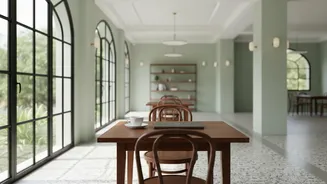
This evolving work culture has created a symbiotic relationship between remote workers and café owners. For the city's burgeoning café scene, this new clientele provides a steady stream of daytime business, filling tables during what might otherwise be slower hours. In response, many establishments are adapting their spaces to be more work-friendly. It’s no longer just about serving a good cup of coffee; it's about providing the infrastructure for a full workday. Reliable, free Wi-Fi and an abundance of power outlets have become standard expectations. Some cafés are going a step further, designing dedicated work zones, offering special menus for long-staying guests, or even providing access to printers and meeting rooms, effectively blurring the lines between a coffee shop and a full-fledged coworking space.
More Than Just Wi-Fi
The allure of the café as a workspace extends far beyond practical amenities. These establishments are becoming crucial social infrastructure, fostering a sense of community that is often missing in a remote work setup. They offer a platform for informal networking, where a chance conversation over a shared table can lead to new collaborations or friendships. This social dimension combats the loneliness of freelance life and helps build a professional support system. For many, being surrounded by the quiet hum of other focused individuals provides a unique form of motivation—a shared, unspoken understanding that you are all in it together. Popular spots like Blue Tokai Coffee Roasters, Artsy - Coffee & Culture, and 8th Day Café & Bakery have become known for this productive yet relaxed atmosphere.
A Modern Twist on 'Adda' Culture
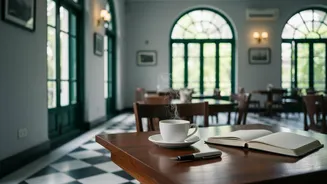
In Kolkata, this trend resonates deeply with the city's historic 'adda' culture—the art of long, leisurely, and intellectually stimulating conversations traditionally held in tea stalls and coffee houses. The Indian Coffee House on College Street, for decades a hub for poets, intellectuals, and revolutionaries, is a testament to this tradition. Today's work-friendly cafés are a modern evolution of this concept. The passionate debates on politics and literature may have been replaced by Slack notifications and Zoom calls, but the fundamental spirit of using a public space for thought, creation, and connection remains. This fusion of old and new is uniquely Kolkatan, where the historic love for communal intellectual spaces provides fertile ground for the 21st-century social workspace to thrive.
Challenges on the Menu
Despite the benefits, the 'work-from-café' model is not without its challenges. For workers, the daily cost of coffee and food can add up, making it a more expensive option than a home office. Distractions and a lack of privacy can also hinder deep, focused work. For café owners, there's a delicate balance to strike between welcoming laptop-wielding patrons and ensuring table turnover to remain profitable. Some establishments may feel pressure to cater to this crowd, while others might find that remote workers who occupy a table for hours with minimal orders can strain resources. As this trend matures, both sides will need to continue adapting, perhaps with the rise of more hybrid models like subscription-based access or designated co-working hours, to ensure the relationship remains sustainable for everyone.